Visit Heidelberg – A Timeless Treasure in the Heart of Germany

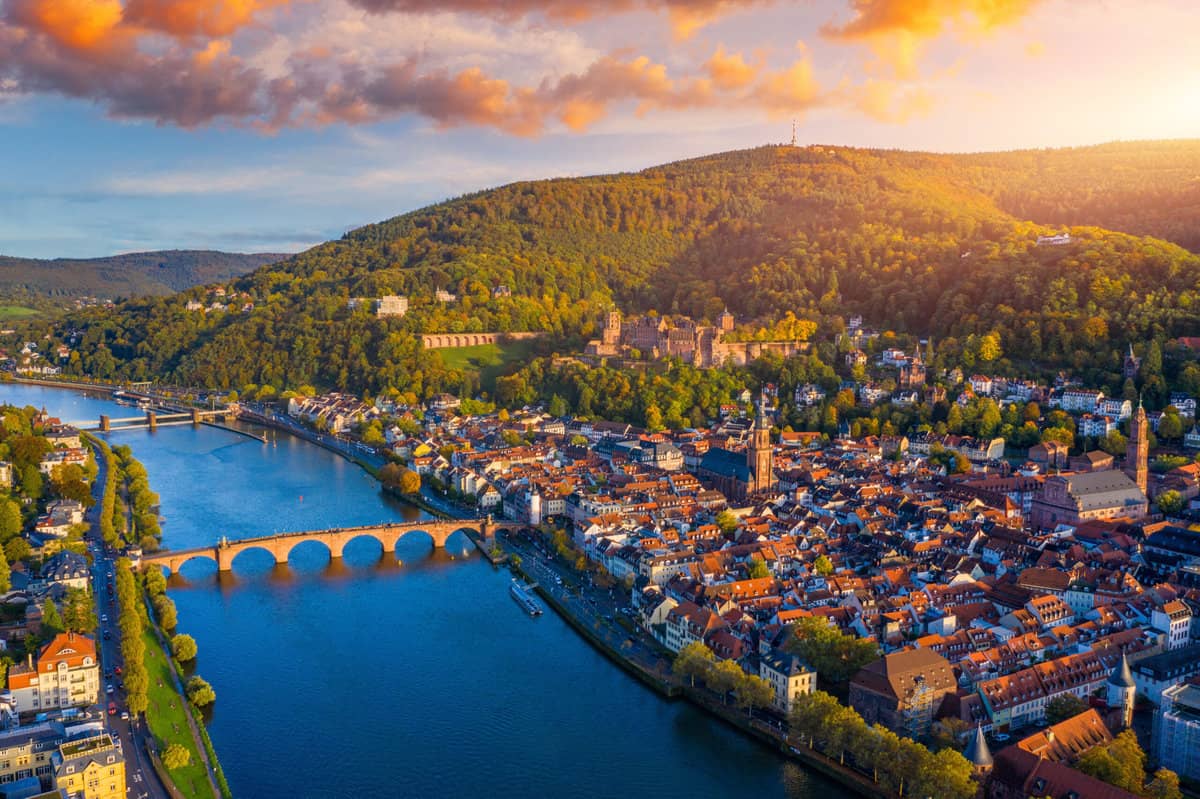
Heidelberg Neckar river and skyline, aerial view from above.

Heidelberg, situated in the state of Baden Württemberg, in Germany boasts a historical and cultural heritage. When visit Heidelberg, you will experience the enchanting medieval architecture picturesque riverside location and vibrant student community contribute to its popularity among tourists. The roots of Heidelberg can be traced back to the time of the Roman Empire when … Read more

5 Best Places for skiing in the Bavarian Alps

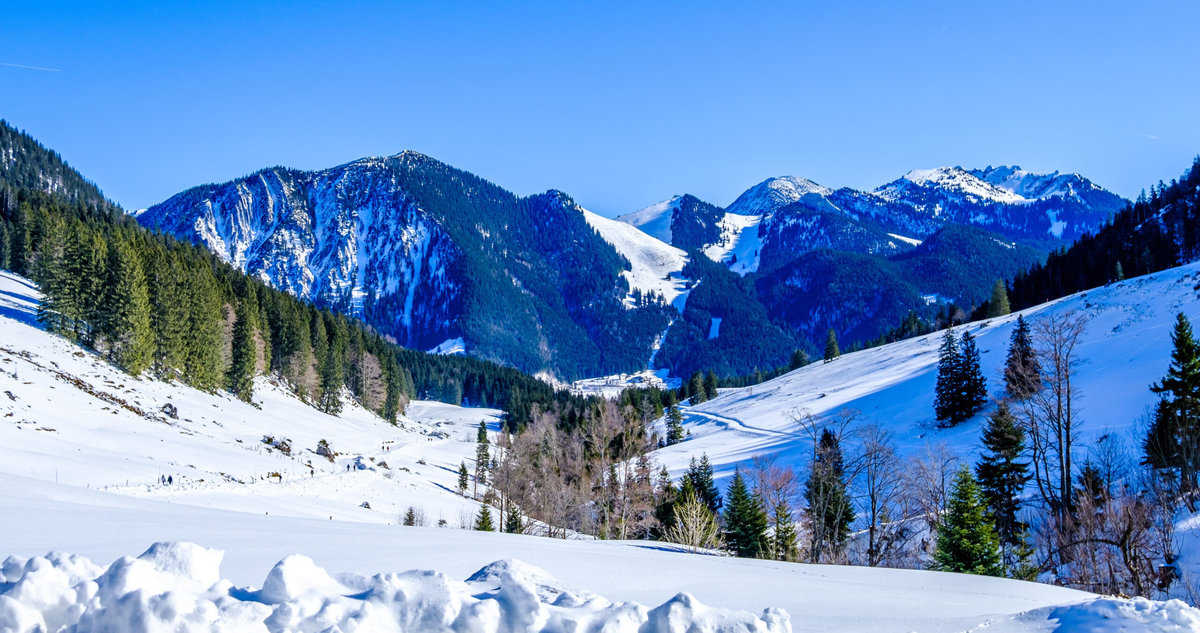
The Mangfall Mountains basking in the golden light near Spitzingsee Lake in Bavaria, Germany.

The Bavarian Alps are a winter wonderland that attracts skiers and snowboarders of all skill levels. With groomed slopes and breathtaking vistas the Bavarian Alps are a must visit destination, for anyone who loves winter sports. Skiing in the Bavarian Alps has a history. The sport was introduced to this region in the century and … Read more

Things to do when going to Black Forest in Germany

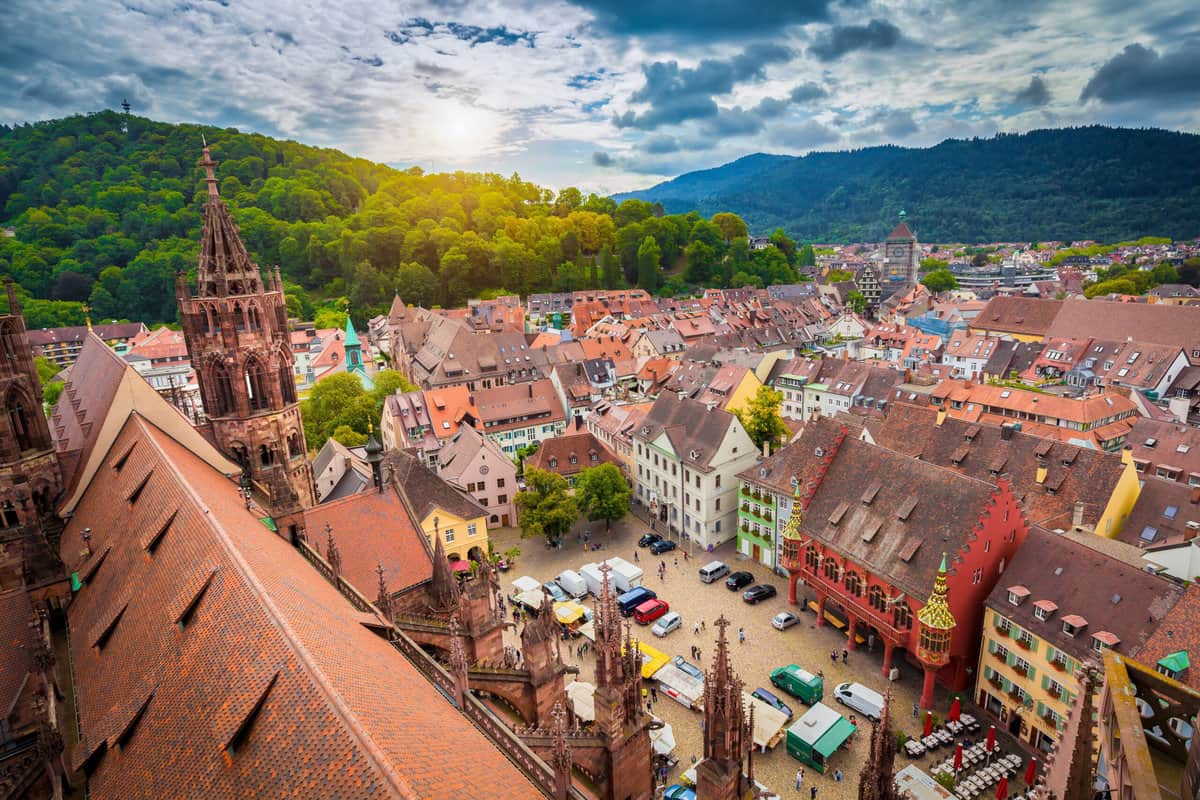
Sunset Aerial View of Freiburg im Breisgau's Historic Center with Freiburg Minster, Germany

The mesmerizing Black Forest, situated in the part of Germany is renowned for its woodlands, charming villages and delectable local cuisine. If you’re planning a trip, to Germany make sure to include a visit to the Black Forest in your itinerary. Named after its cover of evergreen trees that cast an captivating ambiance over the … Read more

Visit Neuschwanstein Castle – The most popular castle of fairy tales

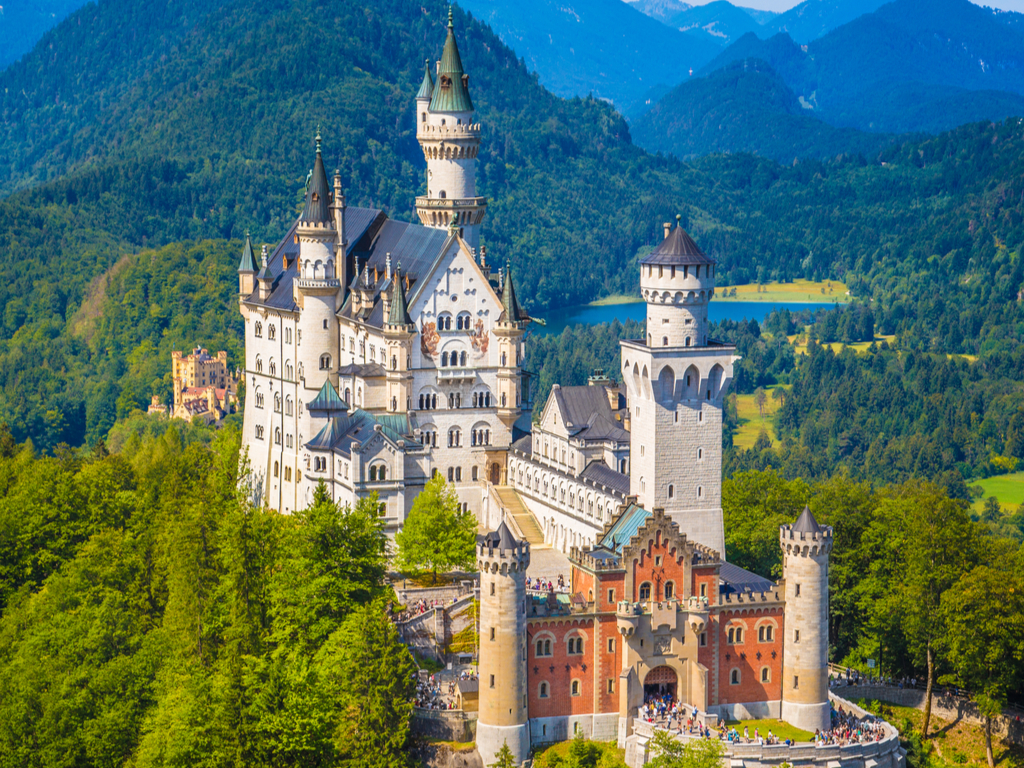
Neuschwanstein Castle perched atop a lush hill, with the Bavarian Alps in the background.

Neuschwanstein Castle, situated amidst the Bavarian Alps, in Germany is an architectural masterpiece that has captured the hearts of globetrotters worldwide. This enchanting castle, commissioned by King Ludwig II of Bavaria is a must visit for anyone exploring Germany. Constructed in the century this splendid castle was meticulously designed to resemble a knights fortress and … Read more

Visit the Berlin Wall

View of the East Side Gallery, the world's largest outdoor art gallery situated on a segment of the historical Berlin Wall, as seen on May 29, 2010, in Berlin, Germany.

The Berlin Wall, which stood from 1961 to 1989 was a symbol of the Cold War era. It divided East and West Berlin. Holds historical importance. Today exploring the Berlin Wall provides an opportunity to delve into the captivating past of the city and reflect upon the events that have shaped our modern world. East … Read more

Visit Germany – Things to See and Do

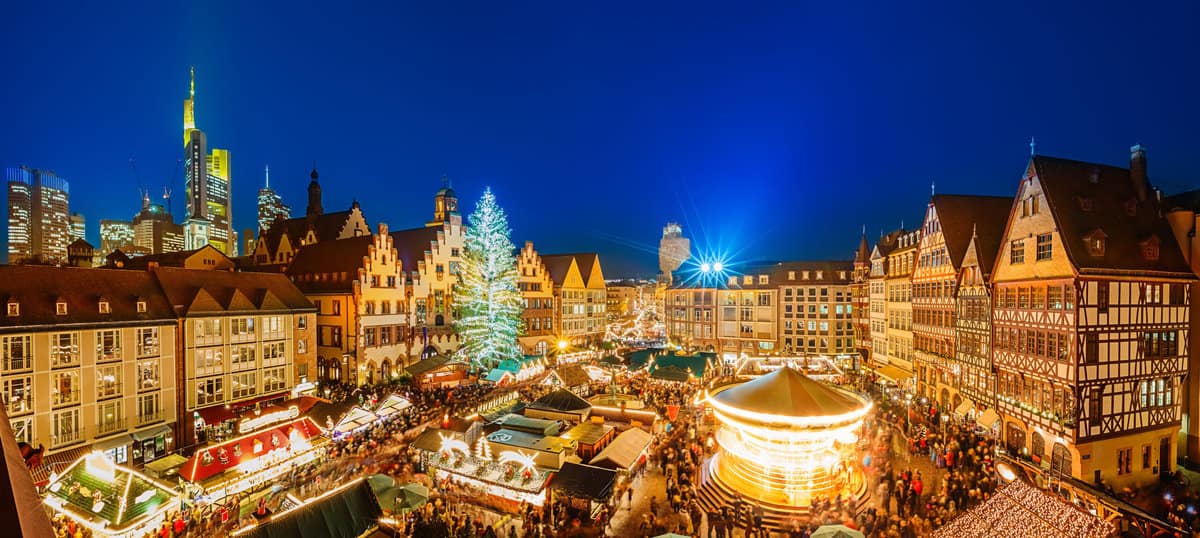
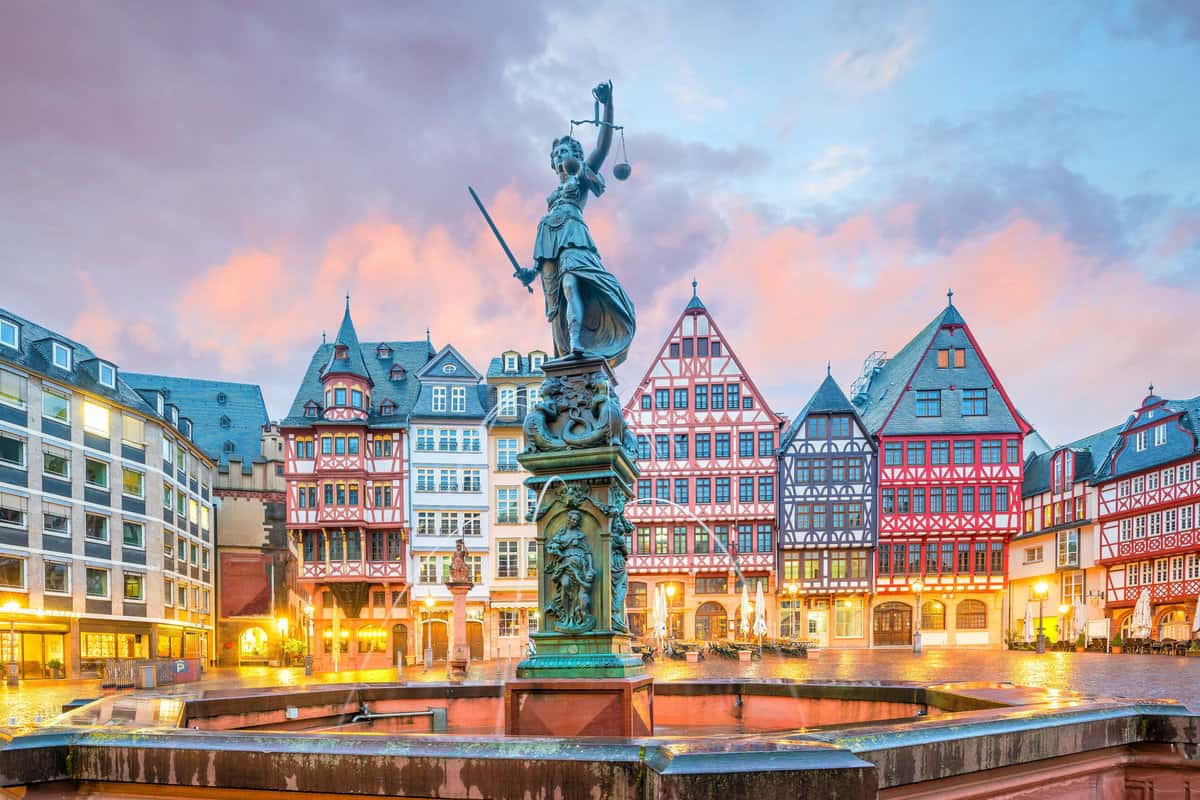
Römerberg in Frankfurt's Altstadt, a historic square with half-timbered houses and the Römer town hall.

Germany is a country that boasts a heritage, a fascinating history and stunning natural landscapes. From the cities of Berlin and Munich, to the towns nestled in the Bavarian Alps there are countless reasons why Germany is worth exploring. In this guide we will provide you with all the information to ensure you have a … Read more

Hallstatt Lake Travel Guide: A Perfect Austrian Getaway

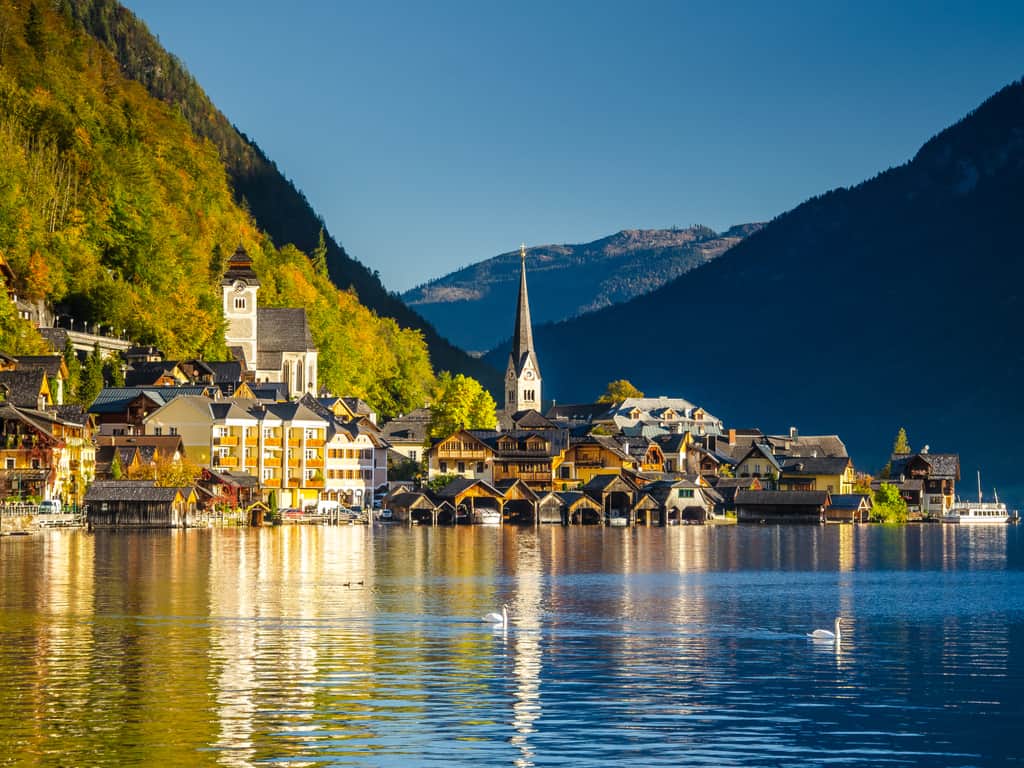
Panoramic view of Hallstatt Lake in Austria, with its crystal-clear waters and the Dachstein Alps in the background

Welcome to our Hallstatt Lake Travel Guide, your ultimate resource for exploring the picturesque beauty of one of Austria’s most enchanting destinations. This comprehensive guide will walk you through the history, sights, and practical tips to make your trip to Hallstatt Lake an unforgettable experience. So, let’s dive right in! History and Location Hallstatt Lake, … Read more

Hadrian’s Wall Walks – Fascinating Views Along Ancient Roman Ruins

Sunset casting a golden light over the remains of Hadrian's Wall, stretching across the rolling hills of Northern England.

Hadrian’s Wall is a historical boundary formed by a series of stone and turf fortifications, stretching over 70 miles in the North-western English countryside and ideal for hiking.

Hadrian’s Wall is sometimes compared to the Great Wall of China, although it is way shorter and narrower than it.

It is nevertheless an ancient engineering achievement constructed across rugged terrains, rivers, streams, and mountains. It is a fun experience to walk alongside Hadrian’s Wall and visit the museums along the pathway.

The fortresses harboring the barracks and museums, along with the long scenic Hadrian’s Wall walk, make it a must-visit place in the United Kingdom.

How old is the Hadrian’s Wall?

Construction of Hadrian’s Wall began years after Emperor Hadrian ascended the throne in 117 A.D. It was begun in 122 A.D. and completed within six years. Since then it has undergone numerous extensions and additions.

"Interactive exhibits at the Hadrian's Wall visitor center, providing educational insights into the wall's historical context.
Engage with interactive exhibits at the Hadrian’s Wall visitor center, offering educational insights into this monumental work of Roman legacy.

Why was it built?

The Roman Empire had expanded enough, and now with Emperor Hadrian on the throne, it sought to protect what it had acquired so far.

Thus the clear purpose of the Hadrian Wall was to protect the land from the Caledonians and other barbarian troops.

Who built it?

The Wall was built by the Romans on the orders of Emperor Hadrian shortly after their conquest of Britain.

The inscriptions on various sections of the Wall indicate that the British army had Hadrian’s Wall built.

Heavily armed infantrymen worked hard over six years to build Hadrian’s Wall.

The ancient stones of Hadrian's Wall standing resiliently against a dramatic sky in the British landscape.
Marvel at the resilience of Hadrian’s Wall under a dramatic British sky, a testament to the ancient world’s engineering.

How long is Hadrian’s Wall?

Hadrian’s Wall is located near the border between present-day Scotland and England.

It was built in an east-west direction and stretches 73 miles from Wall’s end on the River Tyne in the east to Bowness on the Solway Firth in the west.

Hadrian’s Wall is a great place for walking, and nature lovers with a penchant for ancient stonework will hardly find a more beautiful place anywhere else in the world.

How to plan a Hadrian’s Wall walk?

Essential for planning to walk Hadrian’s Wall is that you determine the direction in which you want to walk it.

The classic route walking Hadrian’s Wall follows the construction of the wall from east to west. This offers several advantages. On the one hand, you observe the change in landscape from the urban hustle and bustle of Newcastle to the idyllic expanses of Northumberland to the final destination by the sea. On the other hand, you follow the course of the sun and are rewarded with atmospheric sky colours and sunsets when the sky is clear.

However, there are also hikers who walk Hadrian’s Wall from west to east and thus have the Atlantic wind at their back. Be sure to determine the direction at the beginning of your trip planning.

The sycamore tree at Sycamore Gap, Hadrian's Wall, known from the film 'Robin Hood: Prince of Thieves'.
Visit the iconic Sycamore Gap at Hadrian’s Wall, made famous by ‘Robin Hood: Prince of Thieves’, a natural landmark steeped in cinematic history.

How to get to there?

All set to walk Hadrian’s Wall along the footsteps of an ancient Roman soldier?

If you happen to start from Newcastle, we highly recommend taking a train from Newcastle to the Hexham town, followed by catching Hadrian’s Wall Country Bus AD 122. This route covers the major part of the Wall.

You also get to see the forts of Housesteads and Vindolanda and the Roman Army Museum close to greenhead. Thus you get to visualize the Wall in a spectacular setting.

Also, there are beautiful and scenic stretches of the Wall near Cawfields and Steel Rigg in the Northumberland National Park, England.

Hadrian’s Wall facts

Emperor Hadrian’s successor Antoninus Pius built yet another wall named the Antonine Wall, located in modern-day Scotland. He abandoned the Hadrian’s Wall and established his center elsewhere in the Antonine Wall. Subsequently, this Wall was abandoned as well, following its failure in defending from the nomadic.

Only 10% of the ancient Wall is currently visible. The Wall has suffered a lot of damage in the past 2,000 years. They were mined for stones to build churches and buildings.

Sunset casting a golden light over the remains of Hadrian's Wall, stretching across the rolling hills of Northern England.
Watch the sunset bathe Hadrian’s Wall in a golden glow, highlighting the enduring legacy of Roman Britain.

There is sufficient convincing evidence for historians to believe that a lot of archaeological sites are yet to be discovered in the vicinity of the Wall in the Hadrian’s Wall map. This fascinating ancient landmark was finally designated as a UNESCO World Heritage Site in