Salar de Uyuni – Find yourself in the World’s Largest Mirror

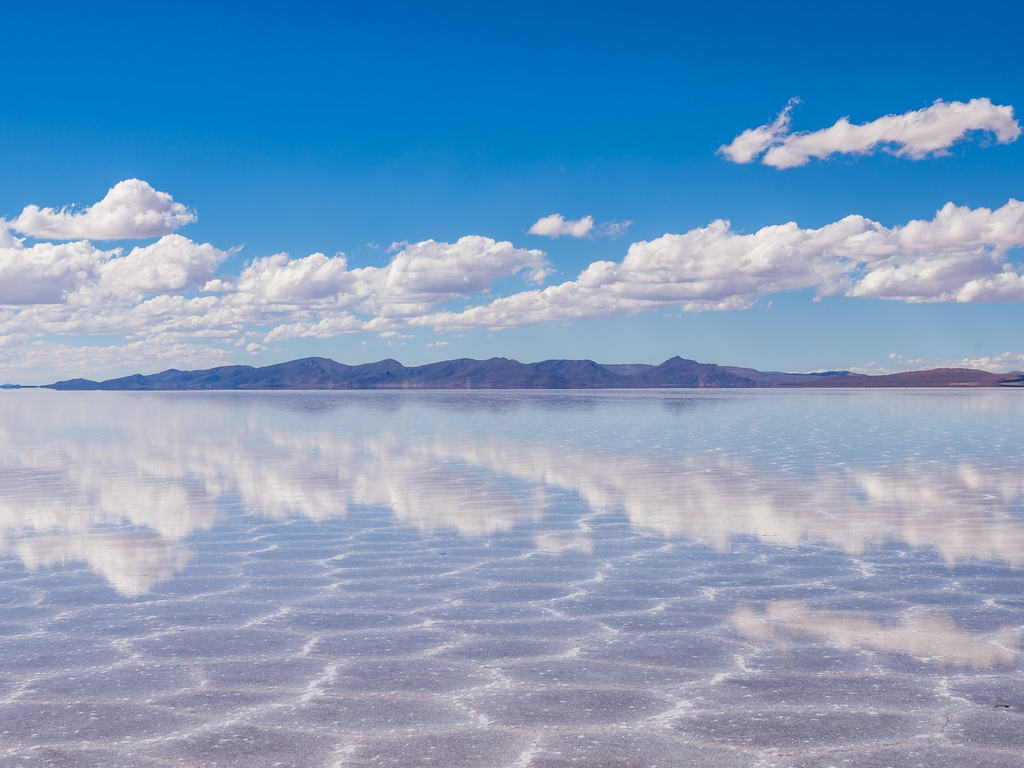
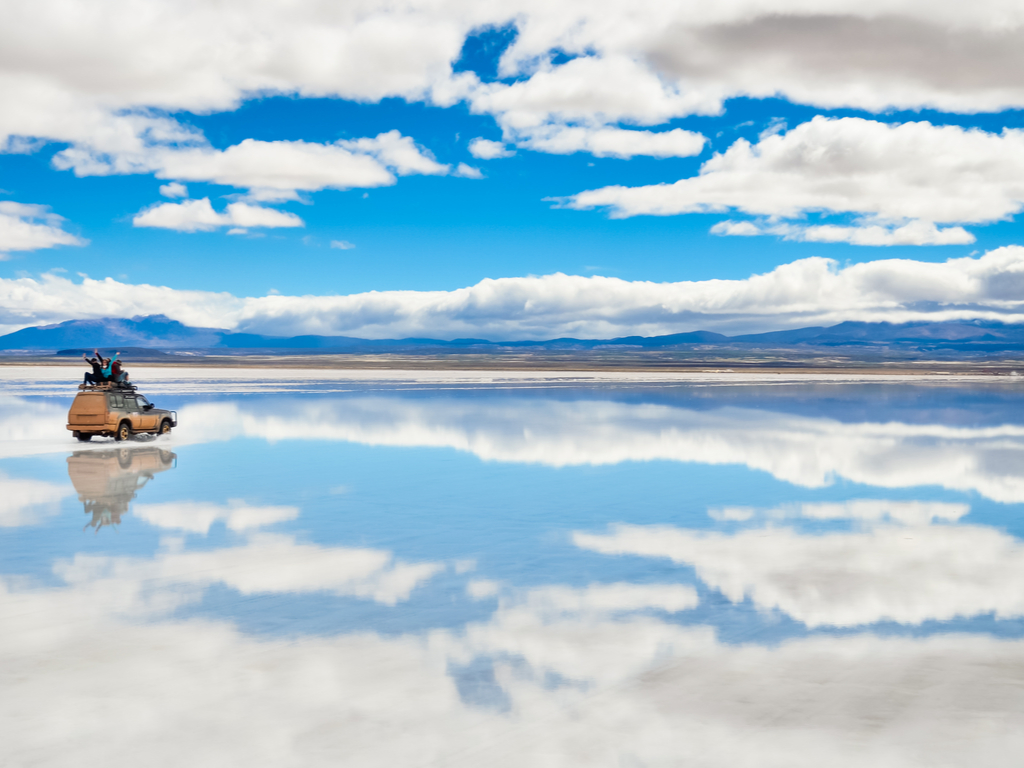
Expansive view of the Salar de Uyuni salt flats in Bolivia, showcasing the vast, white landscape under a clear blue sky

Nature can do things that sometimes Photoshop can’t – Salar de Uyuni in Bolivia is the perfect example. It is probably the world’s largest mirror, and the best part about this ‘mirror’ is that it is entirely natural.

Where is the flattest place on Earth?

Salar de Uyuni or Uyuni salt flat is the world’s largest salt flat. It extends to a massive 11,000 square kilometers, located in Bolivia, South America. It is a huge flat piece of land covered with layers and layers of salt, which manifests itself as polygonal patterns on the surface when there is no water. All this is a remnant of a prehistoric lake, which gradually dried up. It is located at a shocking 12,000 feet above the sea level.
Expansive view of the Salar de Uyuni salt flats in Bolivia, showcasing the vast, white landscape under a clear blue sky
Experience the breathtaking expanse of Salar de Uyuni, the world’s largest salt flat in Bolivia.

What is the best time to visit the flattest place on earth?

This incredible mirror phenomenon is only visible after rains. So you should be lucky enough to experience it if you come between January and March, that is, the wet season in Bolivia.

How to get to Salar de Uyuni in Bolivia?

There are many possible paths, as this salt flat in Bolivia shares borders with both Chile and Argentina. The most commonly followed route is from Uyuni, Bolivia. You just need to book a Salar de Uyuni tour, which is mostly a one-day trip.
But the best location to start off is from Tupiza, Bolivia. It is a four day trip by a tour operator, Salar de Uyuni, being the final destination.
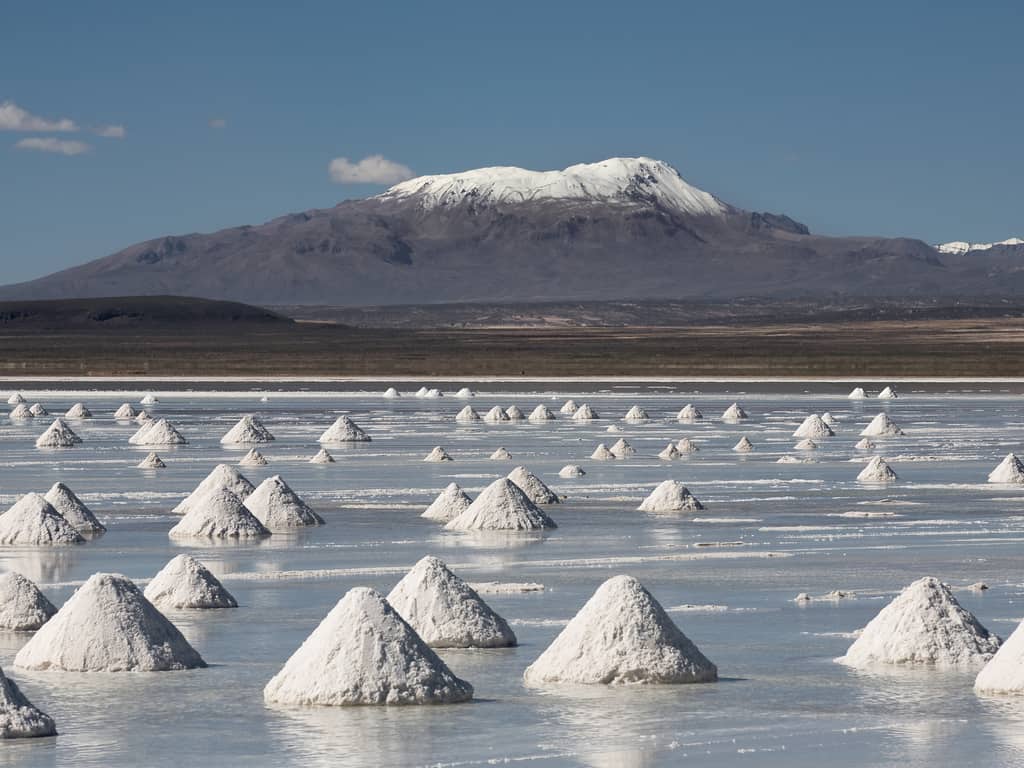
Traditional salt harvesting in progress at Salar de Uyuni, showcasing the local culture and industry
Discover the traditional art of salt harvesting at Salar de Uyuni, a unique aspect of Bolivian culture.

Important information about Salar de Uyuni tours

Salt flats are indeed the most popular of the Bolivia attractions. Instead of indulging in only the Uyuni salt flats, it is recommended to arrange the other incredible Bolivia attractions along with it. They include volcanoes, caves, geysers, hot springs, lakes, deserts etc. and need a minimum of three days to explore. Scheduled tours are always available to drive you through all these places.

Depending upon your budget, you may choose between a shared tour or a private tour. Private Uyuni salt flat tours are better and flexible as they come with a customizable itinerary and English speaking drivers. Also, you get what you pay for, so don’t indulge in any kind of cheap deals out there as it may lead to you getting a drunk driver and/or a damaged car.

At such challenging venues, these setbacks are not only inconvenient but also can endanger one’s life. So make sure you do your research before booking a particular Uyuni Salt Flat tour.

The mirror effect is totally unbelievable. You must as well visit the Incahuasi Island, which is located in the middle of the prehistoric lake. Make sure you carry all your essentials, as this trip is way more difficult than it seems. Illusions related to distance, altitude sickness, etc. are fairly common.
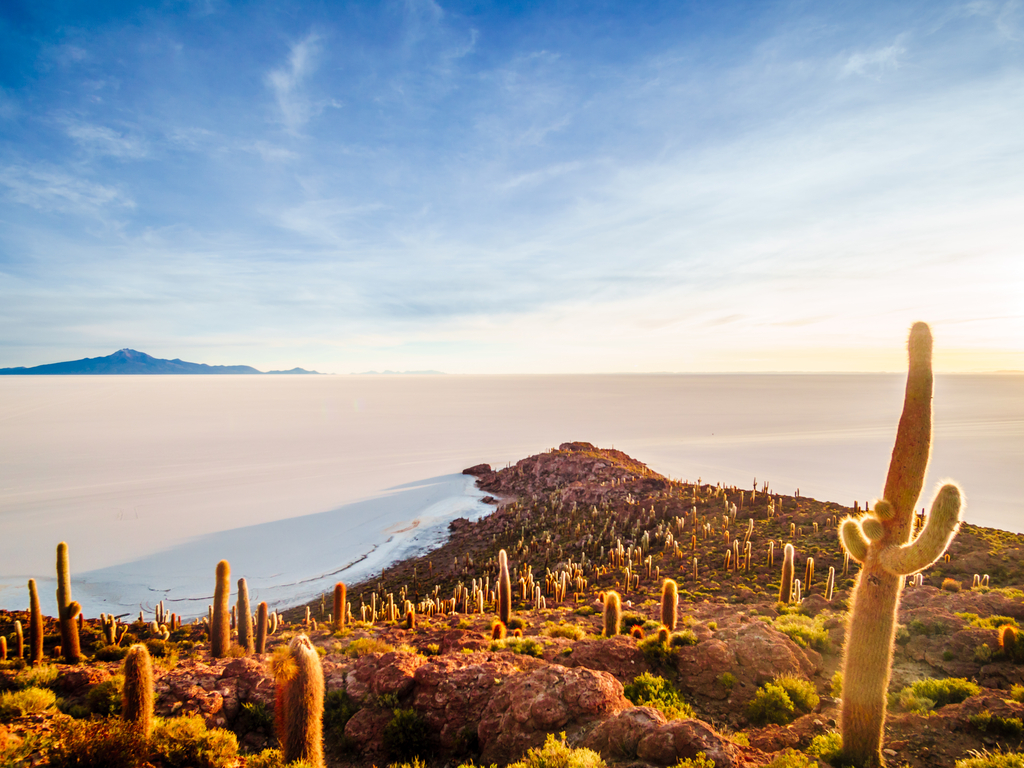
The picturesque Isla Incahuasi, an oasis of cacti and rock formations in the midst of Salar de Uyuni
Explore Isla Incahuasi, an island of cacti and ancient rocks amidst the salt flats of Salar de Uyuni.

Where to stay near Salar de Uyuni, Bolivia?

Several hotels in Uyuni are completely made of salt- The wall, floor, staircase, furniture, including beds! Staying in these is a once in a lifetime experience. Below are a few recommendations:

  • Hotel de Sal Cristal Samana
  • Casa de Sal – Salt Hotel
  • Hotel Boutique Atipax
  • Hotel Palacio de Sal
stunning mirror effect of Salar de Uyuni's wet season
Capture the stunning mirror effect of Salar de Uyuni’s wet season, a photographer’s dream in Bolivia

Okavango Delta – See the gorgeous Inland Delta of Botswana

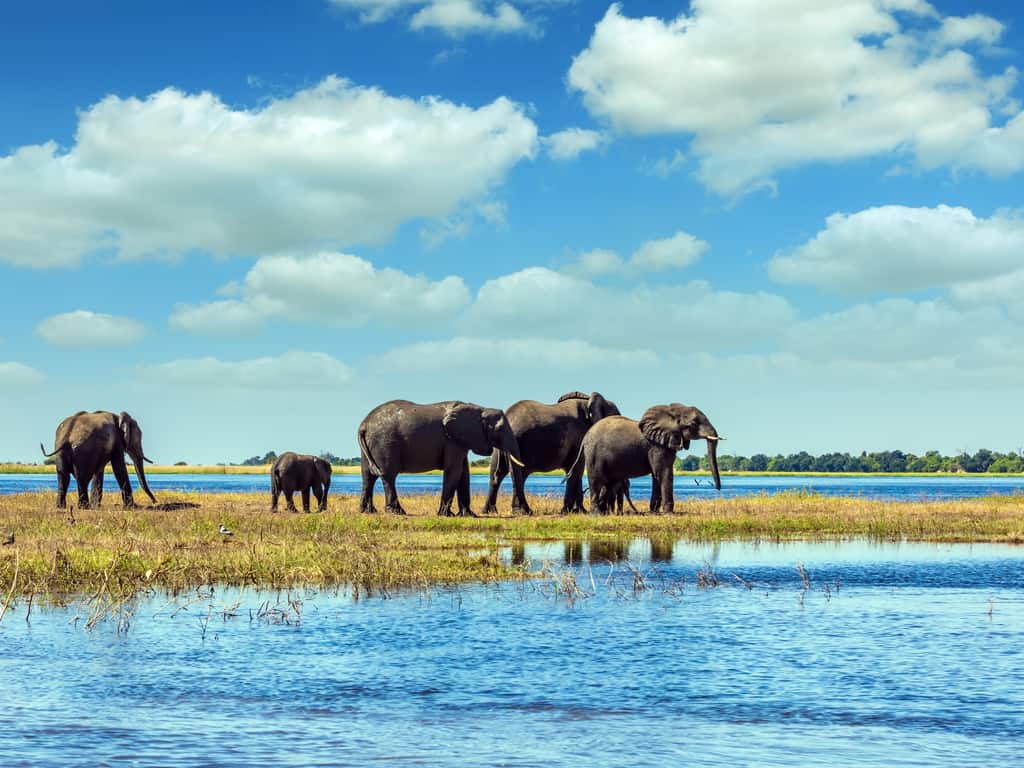
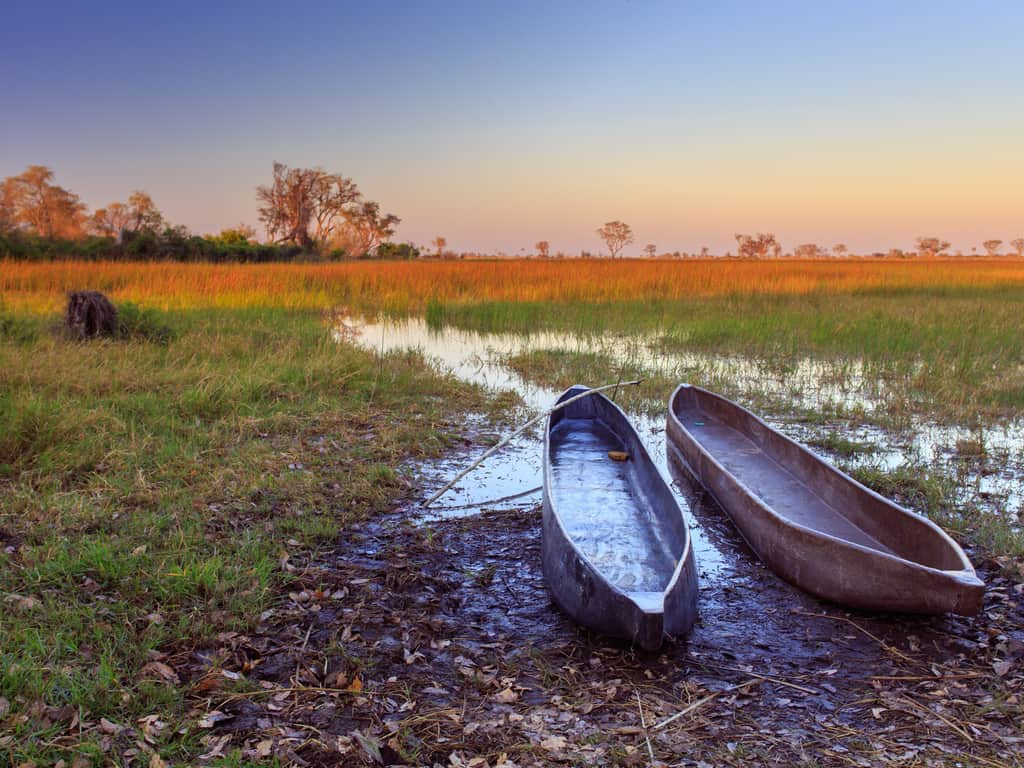
Elephants bathing in the clear waters of the Okavango Delta, exemplifying the region's rich wildlife

When UNESCO qualified Okavango Delta as the 1000th World Heritage site, the world truly took notice. This prominent wildlife location was catapulted to overnight popularity in 2014. In northern Botswana, this delta originates out of the Okavango River and spans over 15.000 square kilometers of the Kalahari Desert.

Okavango Delta, Botswana has slowly but steadily climbed the charts to be the location of African lodges and camps due to the adventure activities that it offers.

Where is the Okavango Delta to find on a map?

This Delta is naturally formed in the area of Botswana where the Okavango African river creates a tectonic trough in Kalahari’s endorheic basin. It is believed that the Delta constitutes a part of what used to be Lake Makgadikgadi, a lake from which all water had evaporated in the early Holocene era.

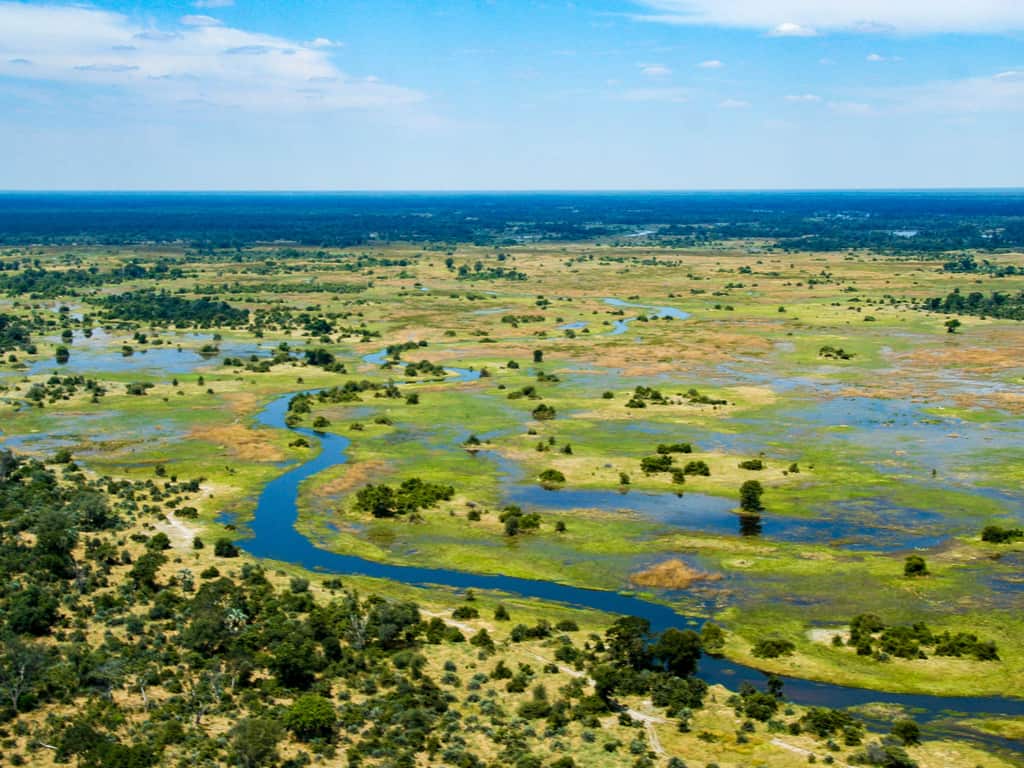
Aerial view of the Okavango Delta in Botswana, showcasing its vast, intricate network of waterways and lush greenery
Explore the breathtaking aerial perspective of the Okavango Delta, a gem of Botswana’s natural landscape.

What is so unique about Okavango Delta?

Okavango Delta is one of the few inland deltas on Earth. It is exceptionally unique because the Okavango River discharges water to open land, unlike other deltas that empty into an ocean.

This African river floods the savanna with 11 * 1013 liters of water on average, thereby creating an inland delta that is always changing. Seasonal flooding, therefore, is often witnessed from March to June.

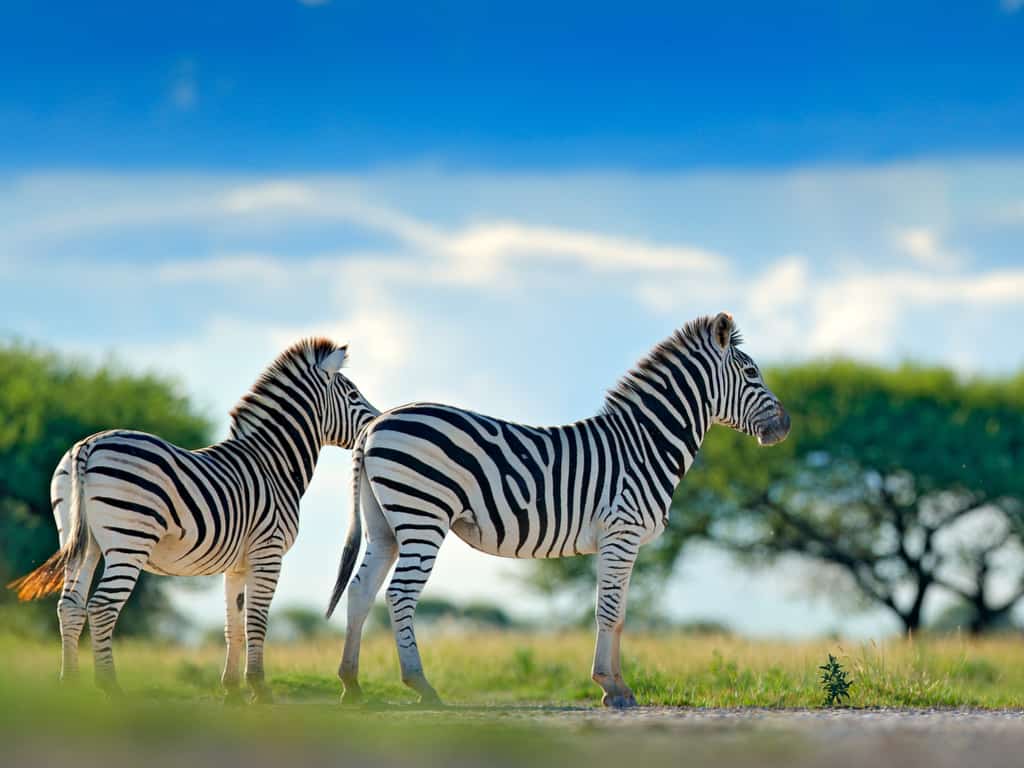
Consequently, small islands are formed and the Chief’s Island becomes more prominently visible. This African delta has single-handedly made Botswana water safaris a reality. It is also known for the diverse wildlife, including 530 bird species, giraffes, elephants, hyenas, buffaloes, leopards, crocodiles, zebras, and antelopes.

"Local guide leading a walking safari in the Okavango Delta, offering an up-close experience with nature
Join a guided walking safari in the Okavango Delta for an unforgettable encounter with Botswana’s wilderness.

How to get to Okavango Delta?

You can reach the Okavango Delta in Botswana by opting for flight service. There are airstrips located just a few minutes away from the Kasane and Maun airports. These flights are often included with tours that also incorporate overnight stay in a hotel. You can also opt for inter-camp air transfer or charter flights. Most of these flights cover the entire journey within one hour at a maximum.

Elephants bathing in the clear waters of the Okavango Delta, exemplifying the region's rich wildlife
Witness the majestic elephants enjoying the pristine waters of the Okavango Delta, a haven for wildlife enthusiasts.

What is the best time to visit Okavango Delta?

Okavango Delta allures tourists with its diverse attractions throughout the year. However, the best time to visit this delta in Botswana is during the dry season, that is, from June to September. This is because you will be able to spot wildlife easily while you are on a Botswana safari due to the lesser vegetation. Furthermore, the mosquito population retreats during this time, thereby paving the path for bright and clear skies.

Sunset over the Okavango Delta, with the sky painted in vibrant hues, reflecting in the water
Experience the stunning sunsets of the Okavango Delta, where the sky meets the water in a spectacular display.

Where to stay in Okavango Delta?

We recommend the following hotels and lodges for accommodation when visiting Okavango:

  • Crocodile Camp Safari & Spa
  • Okavango Hidden Gems
  • Jumbo Junction Camp
  • Maun Lodge
  • Laha Hotel.

You might want to avoid visiting Okavango Delta Botswana during the months of January and February, which comprise the wet season peak.

Botswana is oriented toward protecting the thriving ecosystem of the Okavango Delta to ensure its relevance in the future. Even the walking, riding and photographic safaris are uniquely crafted for the tourists’ pleasure.

Banff National Park – See the Picturesque Treasure of Canada

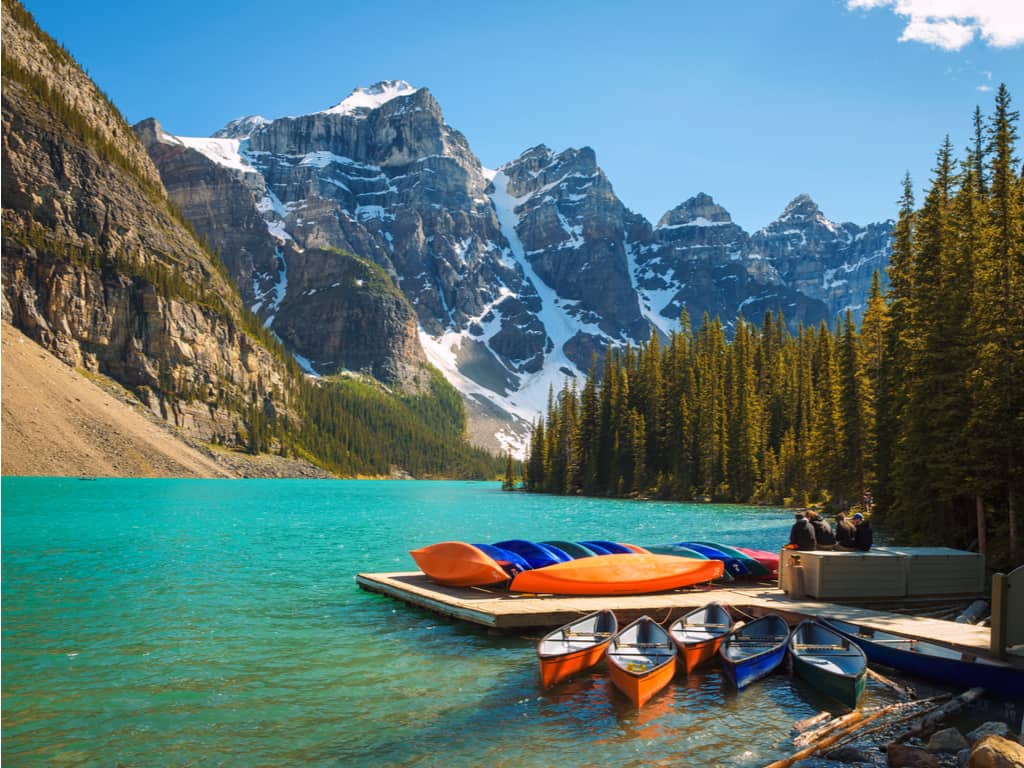
Majestic view of Moraine Lake in Banff National Park, Canada, with its turquoise waters and snow-capped mountains

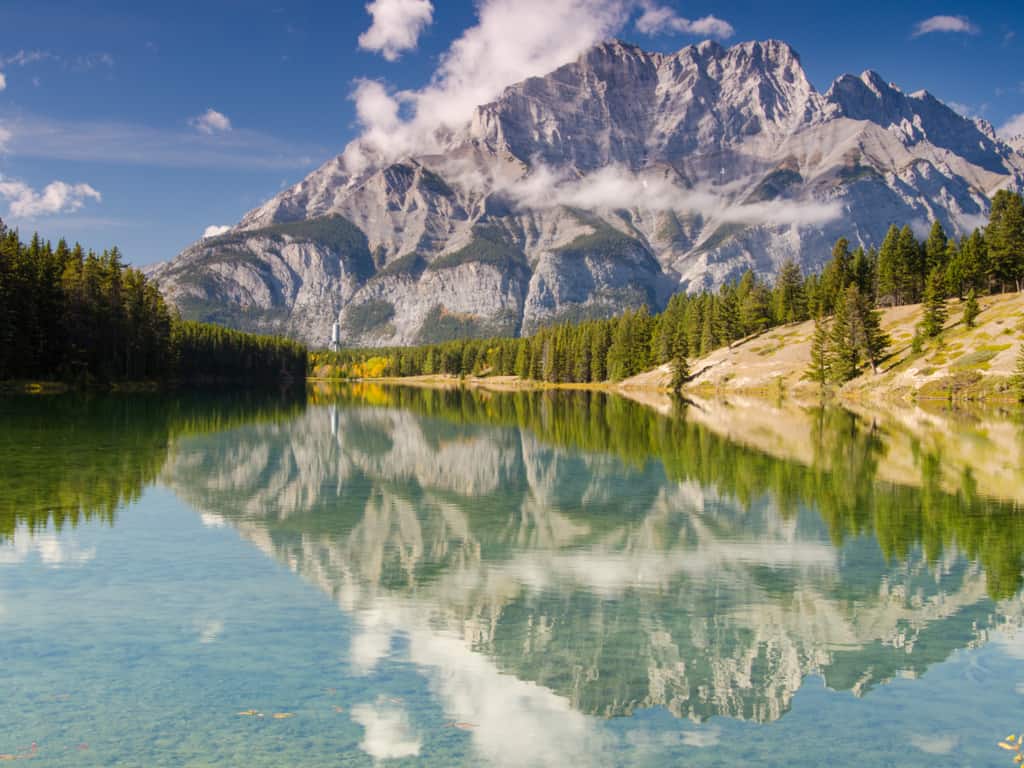
Banff in Alberta, Canada, is synonymous with the Banff National Park. Not only do you find glistening lakes with crystal clear water here, but the Rocky Mountains also offer the visitors a spectacular show. Sightings of exotic animals such as caribou, elk, and black bears are quite common here.

World travelers swear how the simple grandeur of Banff is unlike anything they have ever witnessed before.

The Banff National Park map showcases how the nearby Icefields Parkway engulfs Lake Louise and leads to the northern Jasper National Park.

How to get to Banff?

Banff is approximately 80 miles away from Calgary. Bus, shuttle, and car rental services are available once you reach the Calgary International airport. Car rents generally take the Trans-Canada 1 route to venture into the Banff National Park.

Majestic view of Moraine Lake in Banff National Park, Canada, with its turquoise waters and snow-capped mountains
Discover the stunning beauty of Moraine Lake in Banff National Park, a jewel of the Canadian Rockies.

What is the best time to visit Banff?

The Banff weather is truly majestic to behold with a pleasant temperature and humidity all year round. We recommend visiting Banff between December and March or from June to August as the Banff weather conditions are most optimum during this time.

The Banff Springs Hotel and other establishments offer special discounts during the summer season. Naturally, this time is favored by outdoorsy tourists who wish to visit numerous tourist attractions.

On the other hand, skiers and adventure seekers often seek out Banff weather during winter. If you are thinking now that the Banff weather makes it a year-round attraction, you would be quite right!

The vibrant autumn foliage in Banff National Park, with a tapestry of red, orange, and yellow leaves
Marvel at the autumn colors in Banff National Park, a spectacular display of Canada’s seasonal beauty.

What can you do in Banff National Park?

Eat breakfast at Vermillion: The Vermillion restaurant at Fairmont Banff Springs Hotel offers a breakfast buffet array. The sustainable way of cooking and emphasis on organically sourced food will sweep you off your feet. You can enjoy your waffles, hot cocoa, and fresh fruit while enjoying the mountain view. No wonder why the locals have named Banff Springs Hotel a ‘Castle in the Rockies.’

Avail a Gondola Ride: The Lake Louise Sightseeing Gondola allows you to easily go up the alpine mountain range. The scenic beauty afforded by the gondola ride is only paralleled by the hiking opportunities that it presents.

Enjoy Art at the Banff Mountain Film Festival: The international presentation of documentaries and movies related to environment, sports, and culture in the mountains is the highlight of the winter season. The Banff Film Festival also invites speakers for seminars and reading sessions. This year, the Banff Film Festival is scheduled from October 31st to November 8th. Cinephiles, pay heed!

Canoeing on the serene Lake Louise in Banff National Park, a peaceful way to explore Canada's natural landscapes
Canoe across the iconic Lake Louise, an unforgettable way to experience the beauty of Banff National Park.

Where to stay in Banff??

Banff has a multitude of accommodation facilities available at your disposal. The historic Fairmont Banff Springs Hotel, a historic 130-year-old establishment inside the Banff National Park, should be your top choice for the authentic Banff experience. It is the perfect medley of castle glamour and modern taste.

However, if palatial is not your style, you can book equally hospitable hotels such as The Rimrock Resort Hotel, Stoneridge Mountain Resort, Buffaloberry B&B, or even the Fairmont Chateau Lake Louise.

World travelers swear how the simple grandeur of Banff is unlike anything they have ever witnessed before. Book your trip today to avail of your slice of heaven.

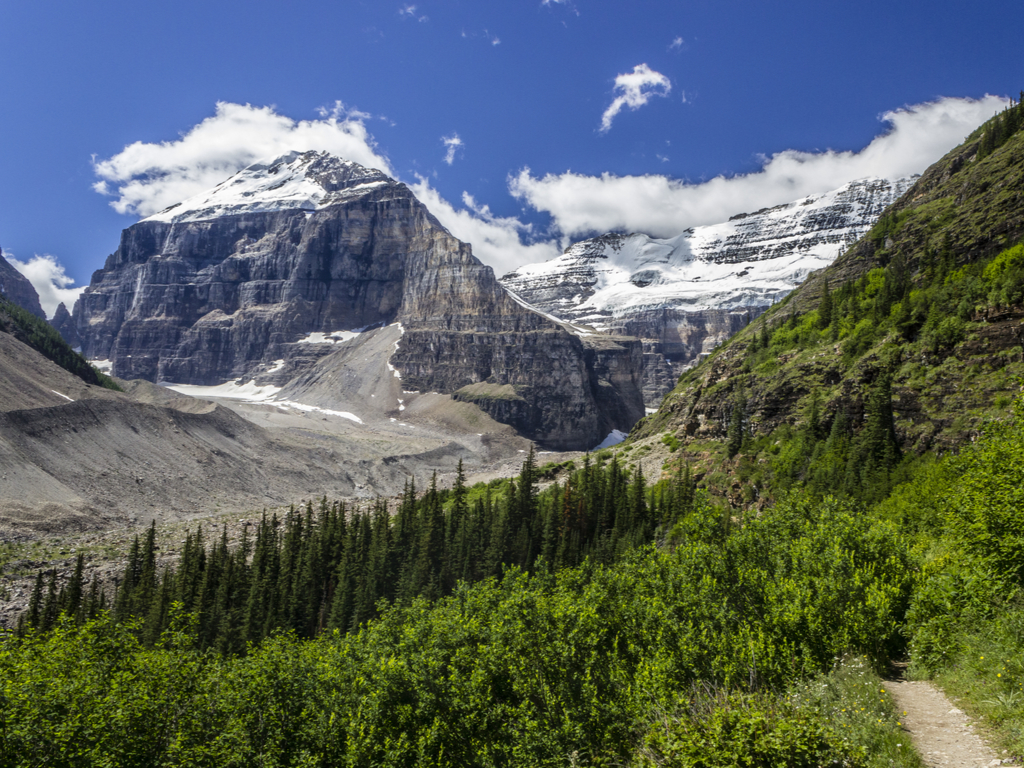
anoramic view of the rugged peaks and pristine forests of Banff National Park, showcasing Canada's wilderness
Experience the breathtaking landscapes of Banff National Park, an embodiment of Canada’s natural splendor

Soumaya Museum – Little Heaven for Art Collections

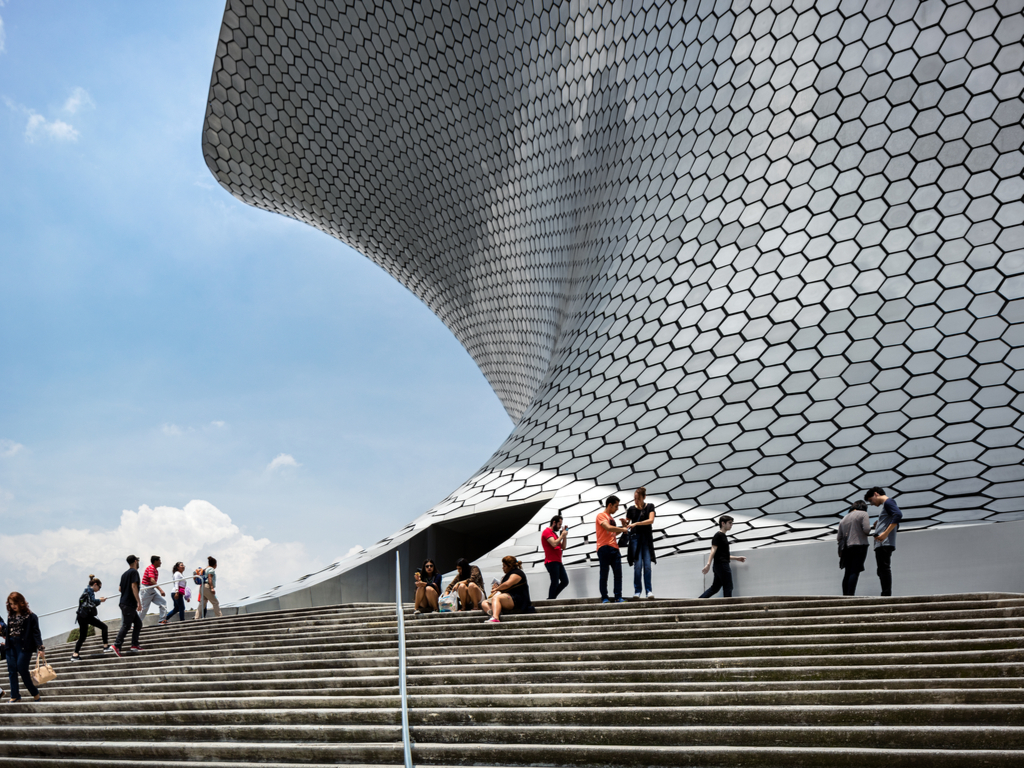
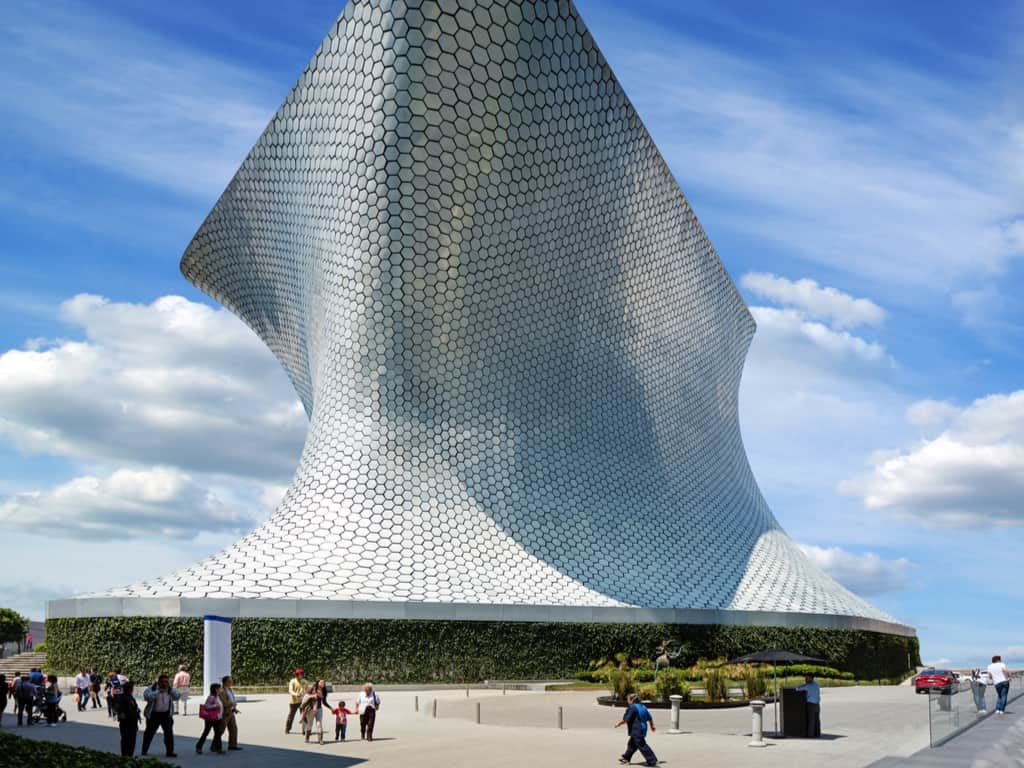
Exterior view of the Soumaya Museum's distinctive silver facade, a modern architectural marvel in Mexico City

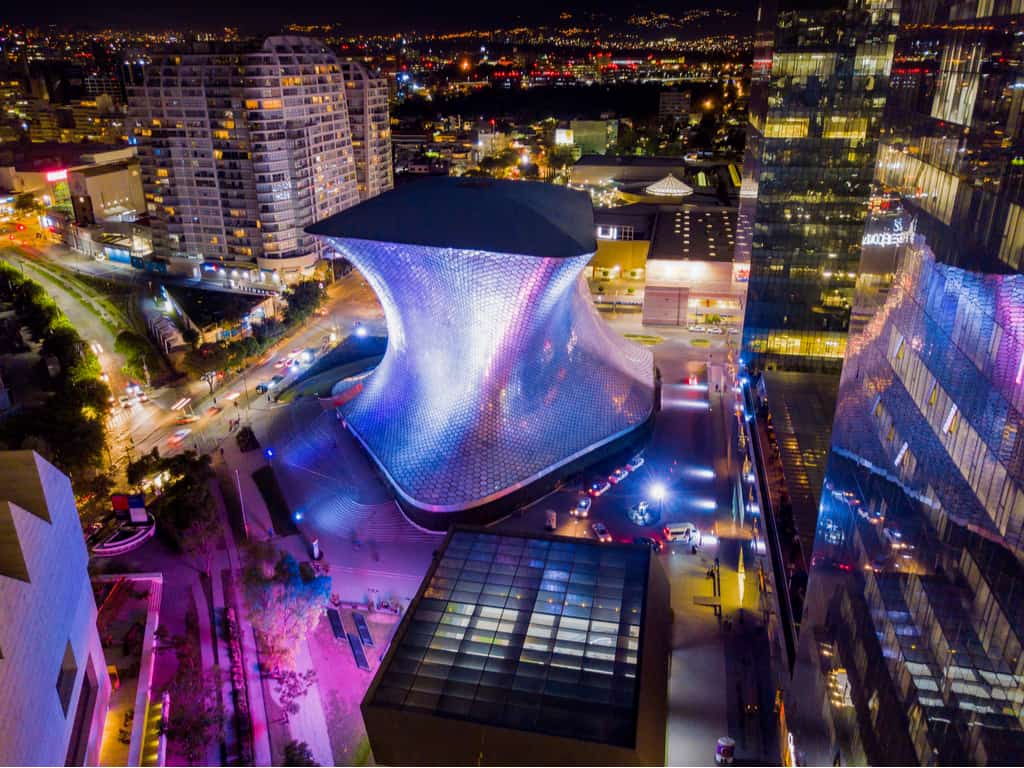
Soumaya Museum is a place of art collections in Mexico. The art palace is a dreamland for people who love art and collectibles. Built by the self-made rich man, Carlos Slim, this place is just perfect for the people to embrace art. The unique and jaw-dropping building of the museum will make you fall in love with the place even before seeing the collection. The Soumaya Museum Mexico is undoubtedly a marvelous example of architecture, and the art collection is even more impressive.

Let us explore more about the alluring beauty of Soumaya Museum, Mexico.

What does the Soumaya Museum building look like?

The Soumaya Museum has one of the most amazing and stunning buildings. The shape of the museum is unique and quite compelling. It resembles the look of rotation of a trapezoidal contour. This created a double-ruled surface that reflects light and creativity. The nine floored concrete house will leave you wondering about its beauty. The shape of the building will literally leave you mesmerizing about this Mexican Art Museum.

Exterior view of the Soumaya Museum's distinctive silver facade, a modern architectural marvel in Mexico City

Who designed Museum Soumaya?

This unusually shaped museum is designed by Carlos Slim, a self-made business tycoon. The Soumaya Museum is named after Slim’s wife Soumaya. To collect, study, preserve, showcase, and display art in Mexico and Europe, this Mexican Art Museum was developed. The beautiful shape and exclusive art collection make this place a heaven for art lovers.

Discover the diverse art collection inside the Soumaya Museum, from European masters to Mexican artists

What’s the best way to see Museo Soumaya?

This spiral-shaped exclusive and enchanted Museo Soumaya is bliss to visit and explore. The Souamay Museum in Mexico City is a perfect amalgamation of art and aesthetic beauty. With nine floors connected by the spiral staircase and elevator, the place is best to explore on any day. Just make your way to the top floor, and descend to the ground floor. Start from exploring the sun-bathed top floor of the Soumaya Museum and start appreciating the beauty and exclusive art at this place.

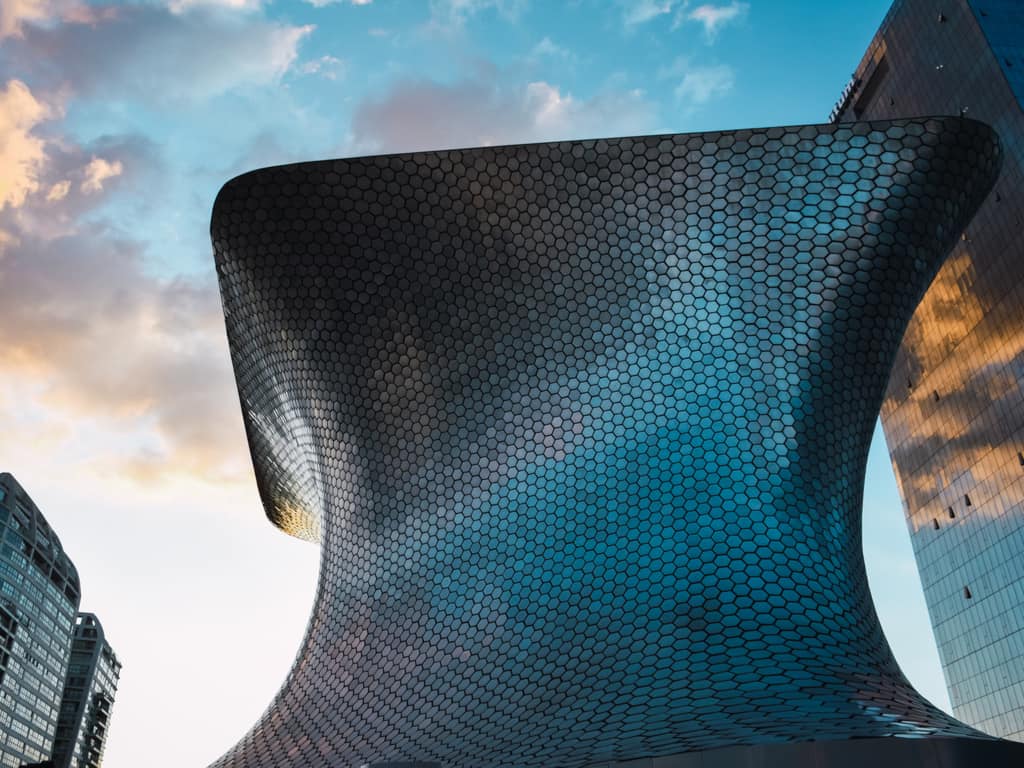
Detailed view of the Soumaya Museum's metallic facade, an example of cutting-edge architectural design

What are the things that you must see at the Soumaya Museum?

This Mexican Art Museum is not only beautiful but also a place full of some of the most exclusive and expensive art collectibles. The best art collections that are worth watching and praising at this uniquely beautiful place are:

  • The vast and amazing collection of Rodin artwork and sculptures like The Thinker and The Gates Of Hell
  • The bright and beautiful Rivera Pieces including the final mural called Rio Juchitan
  • The expensive and classy paintings of Leonardo Da Vinci like Madonna of the Yarnwinder
  • Experience the authentic Mexican Flavor from the Virgen De Guadalupe Con Las Cuatro Apariciones by Juan de Saenz
  • Have a taste of the old masters like La Virgen Y El Nino En Un Nicho by Sandro Botticelli

Henri Matisse, Claude Monet, Pablo Picasso, Joan Miro, Vincent van Gogh, and El Greco, are some of the great artists and the amazing, and beautiful art collection of them is placed in this Mexican art Museum, which awaits your love and appreciation.

The Soumaya Museum lit up at night, showcasing its futuristic design and becoming a beacon of culture in Mexico City

What is the cost to visit Museum Soumaya?

Well, this place is free for its visitors. It means you can embrace the beauty and creativity at this place for free. Isn’t that amazing? Also, you can enjoy the lip-smacking and delicious food at the cafeteria in the Soumaya Museum Mexico City.

The beautifully constructed spiral building with mesmerizing and unbelievable art pieces, this Soumaya Museum Mexico is a must to visit on your trip to Mexico.

Japan in Cherry Blossom Season – Celebrate Life

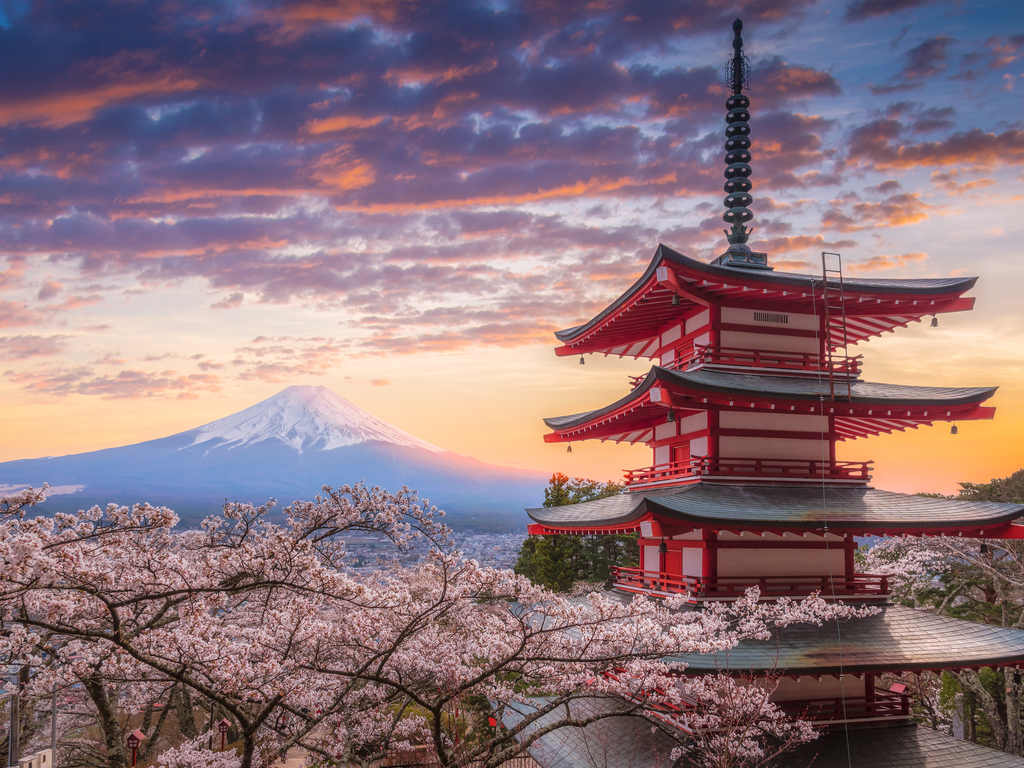
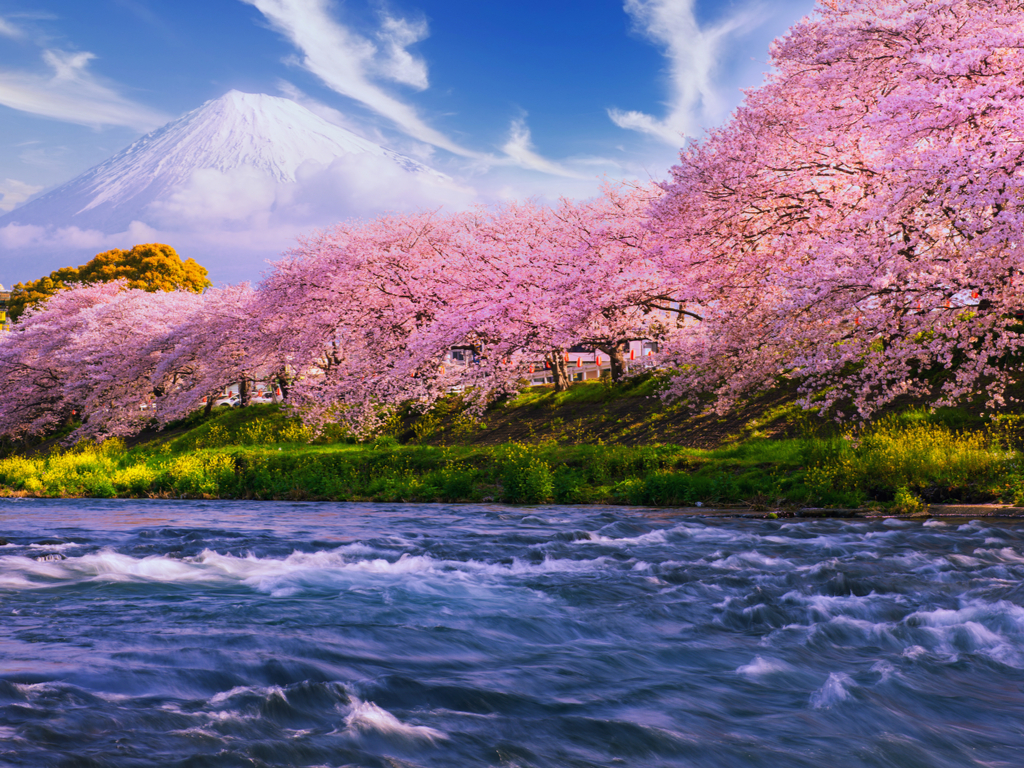
Scenic view of Mount Fuji framed by cherry blossoms, symbolizing the picturesque harmony of Japan's nature

Japan in Cherry Blossom Season is bliss to eyes and soul. The shades of pink scattered on the trees welcome the warm season. Sakura, the welcoming of the spring is celebrated by going out for a picnic and spending time with family. The time is cherished for viewing beautiful flowers or Hanami.

Springtime in Japan is undoubtedly the prettiest period. The icy winds of the winter turn to the cool breeze of summer, the clouds are full of flowers pink hue, and all these are celebrated by Japan Cherry Blossom Festival.

Here is a detailed trip guide along with some amazing facts of Japan during the Cherry Blossom Festival. Keep reading to find out more!

Why do Japanese celebrate Cherry Blossom Season?

Japan in the Cherry Blossom Season is sheer beauty. The shades of pink fill the skies of Japan, and the beauty of flowers are scattered everywhere. The delicate and fragile flowers, the romantic weather, and the perfect background to click pictures, make the period just mesmerizing and breathtaking, perhaps a perfect environment for a romantic date.

The Japanese celebrate the beauty and fragility of life during cherry blossom. The land of Japan during the Cherry Blossom Season is rejuvenated, and the Japanese celebrate this new life by celebrating Japan Cherry Blossom Festival.

Crowds enjoying Hanami, the cherry blossom viewing festival, in a vibrant park setting in Japan
Join in the joyful celebration of Hanami, Japan’s cherished cherry blossom viewing tradition.

When is the Cherry Blossom season in Japan?

March to May is a blooming period of cherry blossoms. When the climate is soothing, the breeze is cool, and the temperate is warm, the beautiful pink, red and orange flowers start blooming and spreading love. Japan in Cherry Blossom Season is perfect for everything. The Cherry Blossom makes the paths look like a dreamland with the flowers above head and flowers scattered everywhere.

Enjoying the mouth-watering home-cooked food while watching the Cherry Blossom with family is no less than a joy. So, try to visit Japan between March to May to attend the mesmerizing and perfectly beautiful Japan Cherry Blossom Festival.

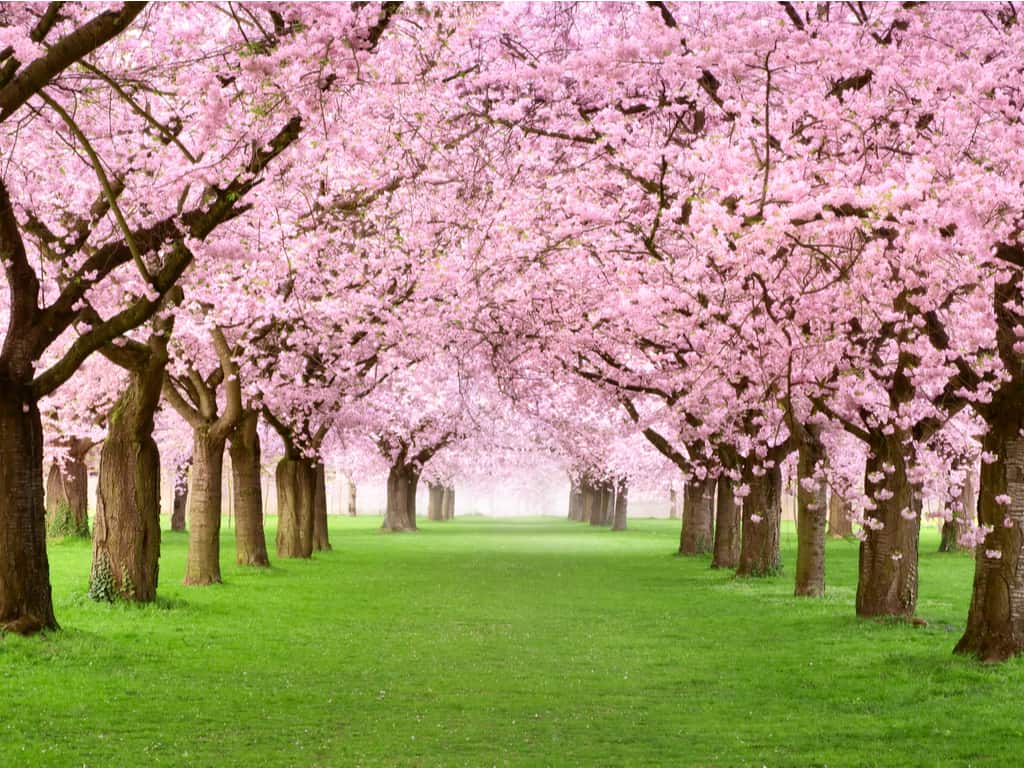
Cherry blossoms in full bloom creating a picturesque pink canopy, typical of Japan's cherry blossom season
Embrace the stunning beauty of cherry blossoms in full bloom, a hallmark of spring in Japan.

How long is the Cherry Blossom season in Japan?

Japan during Cherry Blossom Festival turns to the land painted with shades of pink. Imagine going to cities like Tokyo, Osaka, Hiroshima, Sapporo, and finding the beautiful, delicate, and sweet pink flowers on the trees and in the skies welcoming you. This would be just bliss and fairytale-like.

Japan in Cherry Blossom Season in soothing to the soul, and to capture all the beauty at once is hard, but the period is short-lived for 10-14 days. The period is not spread all-over the spring, but a small part of it. So, plan your calendar according to Sakura dates and enjoy the beauty of nature.

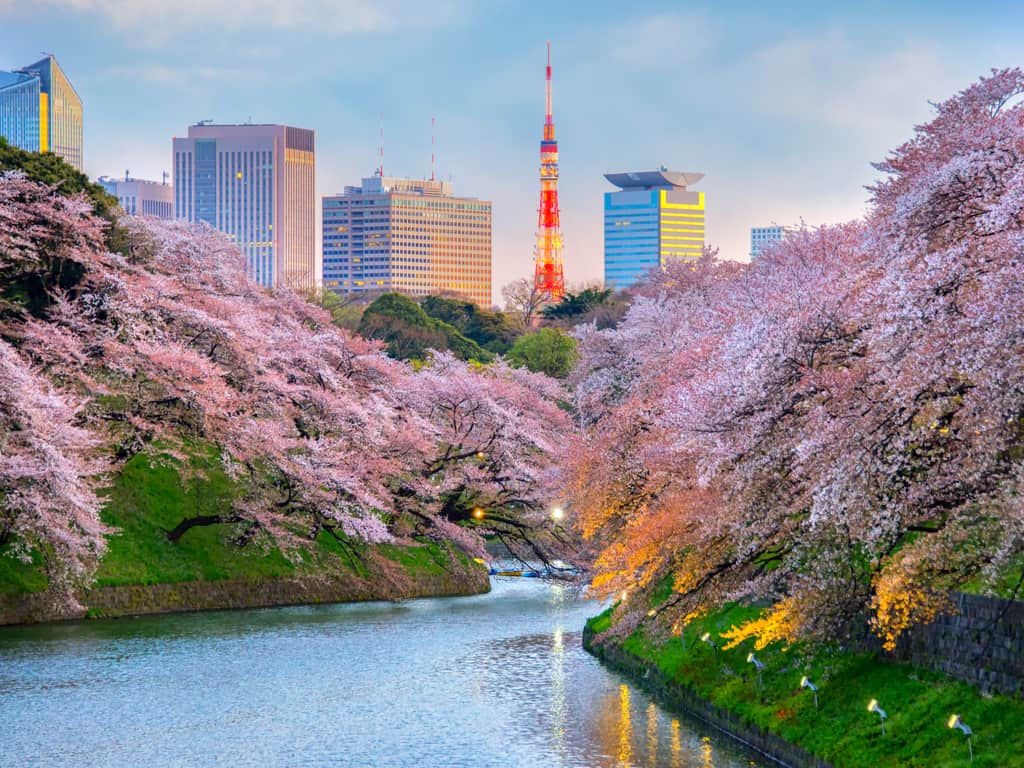
Breathtaking view of cherry blossoms in full bloom along the Meguro River in Tokyo, Japan, during cherry blossom season
Experience the stunning cherry blossom season along Tokyo’s Meguro River, a quintessential Japanese spring sight.

The dates to visit some of the prominent cities of Japan during cherry blossom season are:

  • Tokyo – March 16 to 24
  • Sapporo – May 1 to 7
  • Osaka – March 23 to 31
  • Hiroshima – March 20 to 30
  • Nagano – April 5 to 11

What is the symbolization of the Cherry Blossom Festival?

The Japan Cherry Blossom festival is all about celebrating beauty. The beautiful and fleeting cherry blossom fill the trees and skies, the weather turns romantic and warm, the scenic beauty is at its peak, and the life is blooming everywhere. The festival celebrates life.

Scenic view of Mount Fuji framed by cherry blossoms, symbolizing the picturesque harmony of Japan's nature
Marvel at Mount Fuji surrounded by delicate cherry blossoms, an iconic image of Japan in spring.

What you can do at the Cherry Blossom Festival?

Japan in Cherry Blossom season is welcoming, and people go around to click pictures. The official stalls of local street food are set to tickle your tastebuds. Though the festival is short, the delight of viewing flowers is unlimited.

Under the shade of Sakura and the smell of blossoms, the Japan Cherry Blossom festival is perfect. Embrace the flawless beauty of pink flowers under the pink sky and enjoy some hot snacks in the cool spring breeze, and just relax.

Once you know about the Japan Cherry Blossom Festival, it is time to mark your calendar and book a trip to celebrate life and beauty!

Angkor Wat – Discover the Wonder of Ancient Civilization

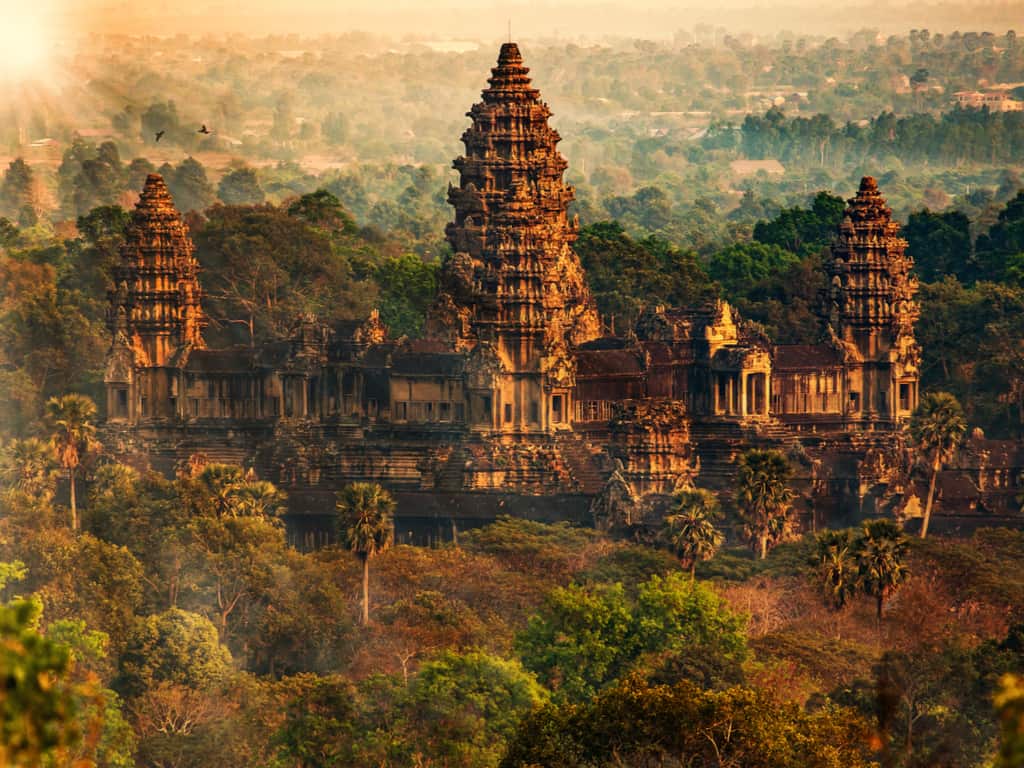
Aerial view of Angkor Wat Temple surrounded by lush greenery in Siem Reap, Cambodia, showcasing its vast scale and layout

The first rays of dawn crept over the treeline, painting the sky in shades of amber and rose. Before me, reflected perfectly in the still lotus pond, stood Angkor Wat—a silhouette so magnificent it seemed to belong more to myth than reality. In that moment, surrounded by hundreds of other travelers yet feeling completely alone with history, I understood why this place draws over two million visitors each year.

Angkor Wat isn’t just a temple. It’s a testament to human ambition, spiritual devotion, and artistic mastery that has endured for nearly a millennium.