Jokulsarlon – The glacial edifice of iceland

Close-up of the intricate patterns and textures on icebergs at Jokulsarlon.

The glacial system of Jokulsarlon at Vatnajökull National Park is the spot where the largest icecap of Europe can be found. It is a series of impeccably beautiful icebergs that slowly float on the crystal blue lake water. The shores comprise the black sand Icelandic beaches that brilliantly offer a contrast to the iceberg crystals.

Jokulsarlon is the destination where contrasting natural forces come together to present a radiant spectacle to all who come here to revel in the beauty untarnished by man-made forces.

How to get to Jokulsarlon?

It will take you about five hours to cover this journey if you opt for a car ride or rental from Reykjavik to Jokulsarlon. However, the journey from Akureyri to Jokulsarlon lagoon takes significantly longer, that is, seven hours. Alternatively, you can also book a tour to Diamond Beach, Iceland, or choose public transport. The Jokulsarlon Glacier Lagoon is on Route 1.
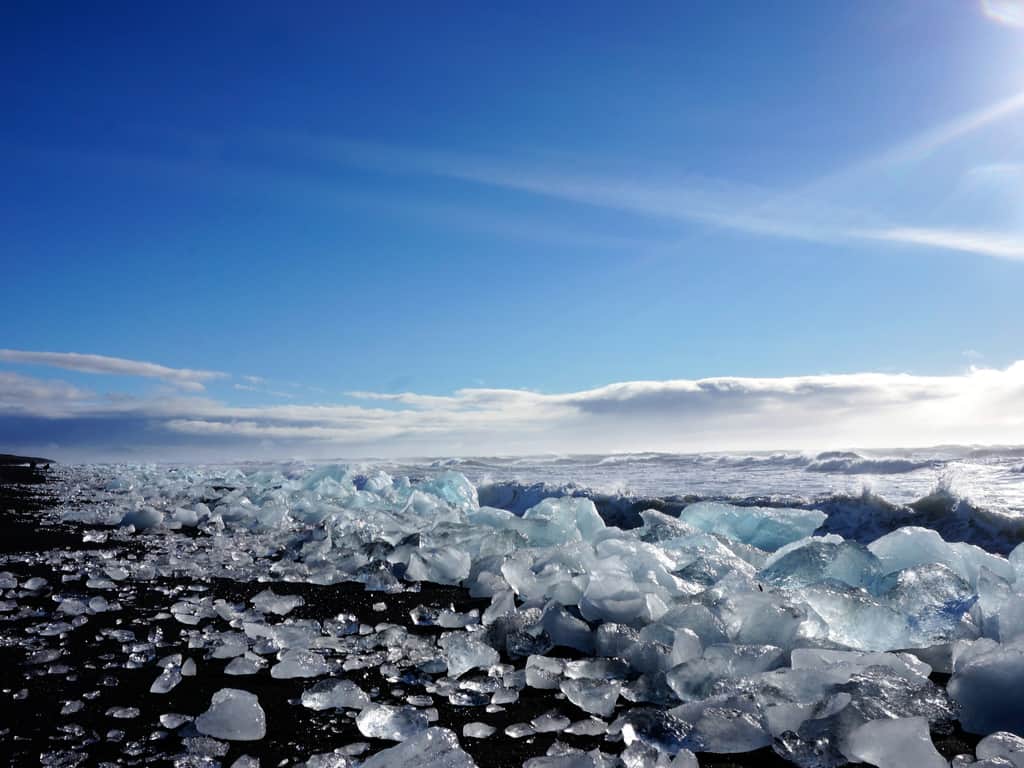
Icebergs floating in the crystal-clear waters of Jokulsarlon Glacier Lagoon in Iceland.
Experience the surreal beauty of floating icebergs when you visit Jokulsarlon, a natural wonder of Iceland.

How far is Diamond Beach from Reykjavik?

The distance from Reykjavik to Jokulsarlon lagoon, and consequently Diamond Beach that is present right opposite Jokulsarlon Glacier Lagoon is 370 kilometers.

Why is it called Diamond Beach?

Diamond Beach, Iceland is inspired by the shimmering icebergs that float to the beach from the Jokulsarlon Glacier Lagoon. They are ginormous ice blocks that drift off from the Breiðamerkurjökull glacier at first. Subsequently, these ice blocks move to the Jokulsarlon Glacier Lagoon.

When tourists began visiting this beach to witness the stunning natural occurrence, the Diamond Beach name was coined to be cherished for posterity.
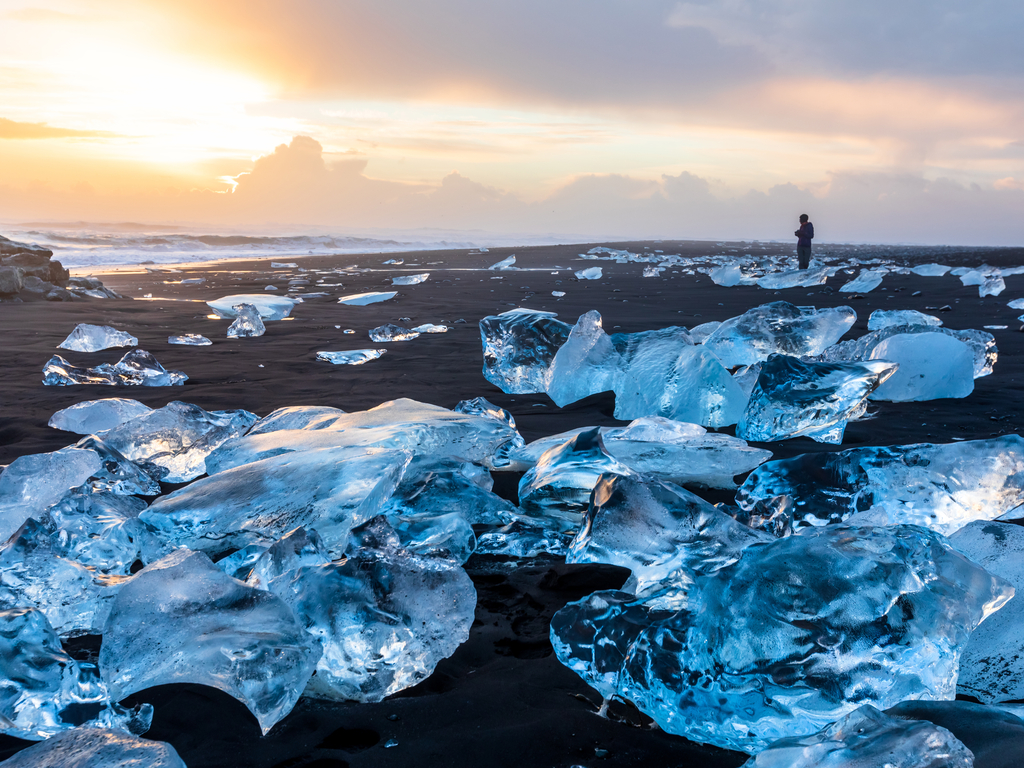
Photographer capturing the stunning scenery of Jokulsarlon, a paradise for photography enthusiasts.
Bring your camera to capture the unparalleled beauty of Jokulsarlon, a dream for photographers.

What is the best time to visit Jokulsarlon?

Diamond Beach is one of the perennial tourist destinations that attract tourists all around the year regardless of the seasonal changes. The only difference is that the daylight lasts longer during summer.

We recommend a visit while it is still daytime to appreciate the majesty of the icebergs. Moreover, the shore tends to get crowded as the day progresses.

So, the sooner you can get in, the better. But if you wish to see the Northern Lights, the best time to see this natural phenomenon is during winter nights.
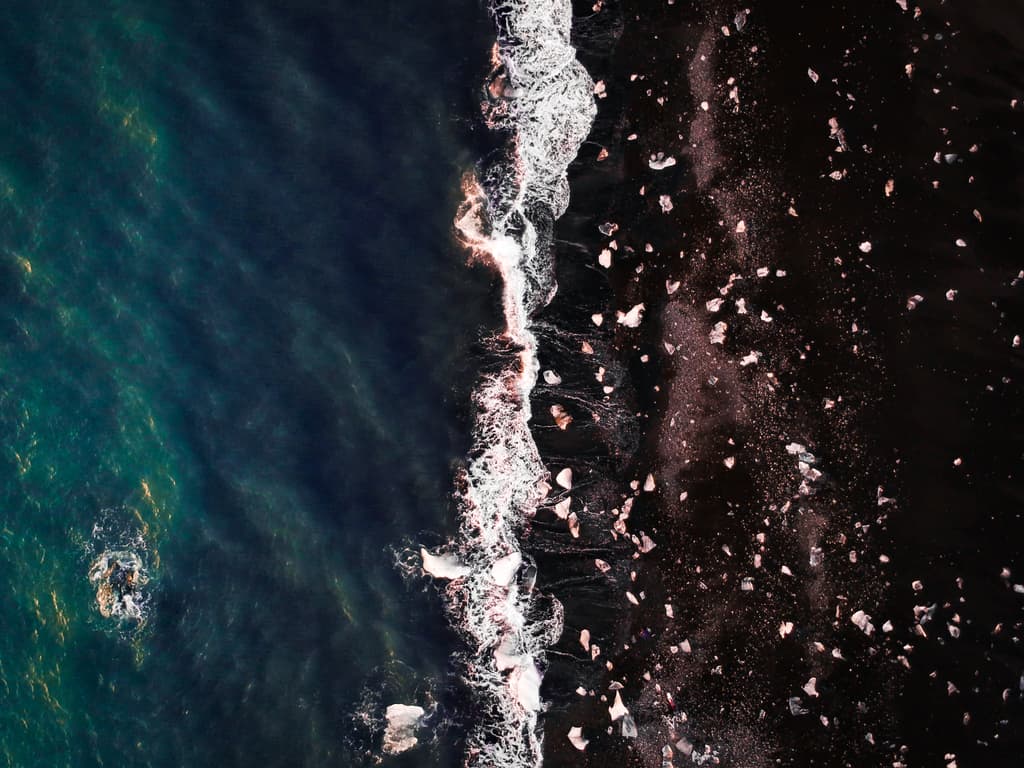
Aerial view of Jokulsarlon, showcasing its vast size and the surrounding glacial landscapes.
From above, the vastness of Jokulsarlon and its glacial landscapes are a sight to behold.

What can you do at Jokulsarlon?

Go Hiking: One of the best hiking trails at Jokulsarlon is at Vatnajökull. Book a tour guide to show you the route and provide the hiking equipment, as the glaciers can be a tricky area to navigate.

Book a Boat Journey: There are numerous boating tours available at Jokulsarlon, especially during the months of July and August. Tourists can choose between the Amphibian boat tour on the lake that offers opportunities for seal-watching, and the Zodiac boat tour gives you a closer look at the icebergs.

Undertake Ice Carving Tours: The Ice Carving tours take tourists on an immersive experience traversing the ice caverns and tunnels. Don’t miss the Crystal Caves – it is nothing short of a modern art exhibition.
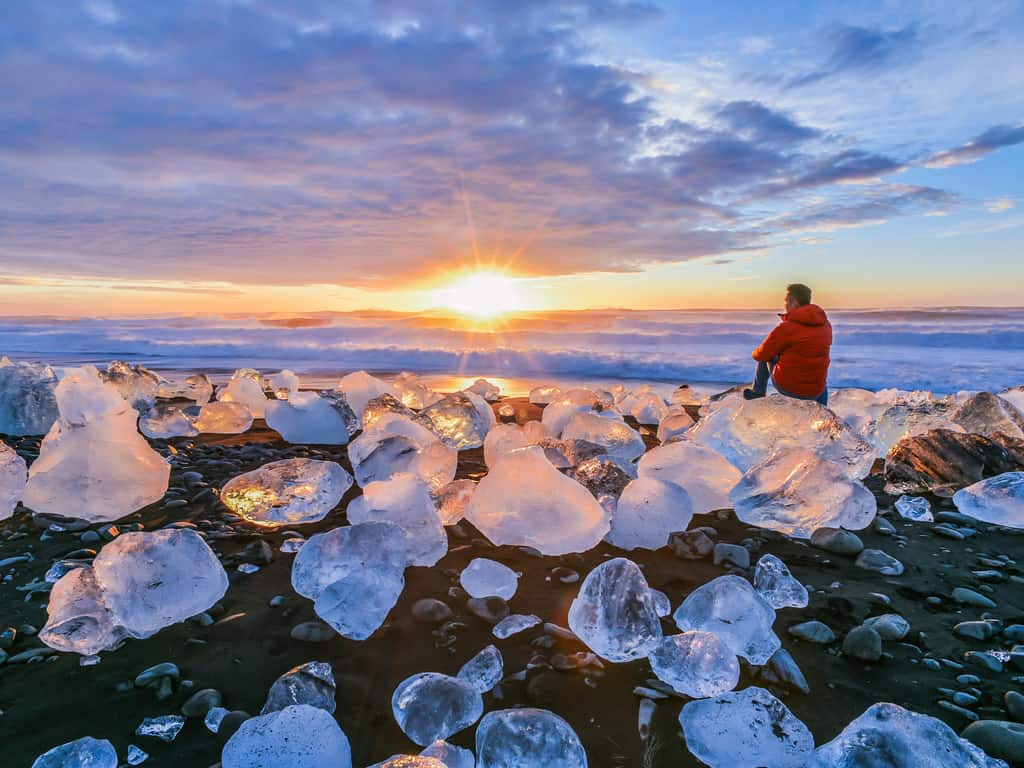
Close-up of the intricate patterns and textures on icebergs at Jokulsarlon.
Discover the intricate beauty of icebergs up close on your visit to Jokulsarlon.

Where to stay when visiting Jokulsarlon in Iceland?

Some of the great hotels to stay include Hotel Vik, Hali Country Hotel, Reynivellir, Fosshotel Glacier Lagoon, Icelandair Hotel Herad, and Vagnsstadir HI Hostel.
Haiku Stairs in Hawaii – Jump on the stairway to heaven

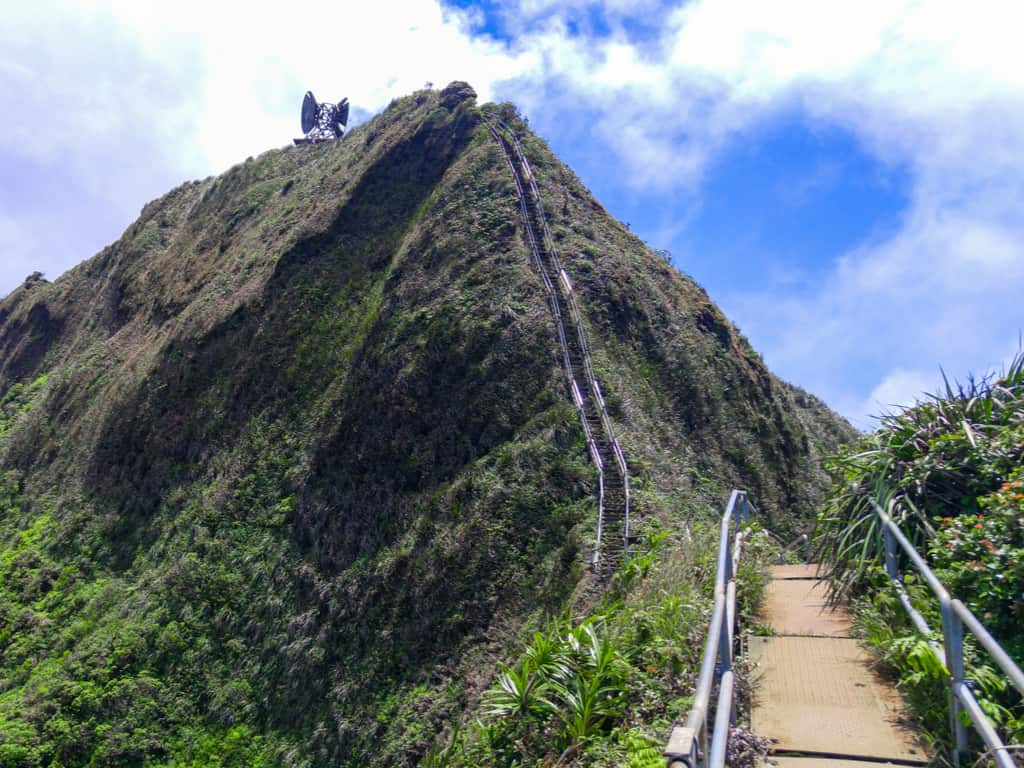
Close-up of the Haiku Stairs' metal steps against the backdrop of Hawaii's natural beauty.

Are you a lot into hiking recently? The Haiku stairs of Hawaii clearly stand out as one of the most challenging yet amazingly beautiful hikes. It is rightfully called a stairway to heaven, Hawaii.

What purpose did the Haiku Stairs in Oahu serve?

It is basically a very long and steep stairway built by the U.S. Navy in 1942 during World War II, to climb up the Oahu’s Koolau Mountain range. The purpose was to access a secret radio station that was at the very top of the mountain. It consists of shocking 3,992 stairs! The cliffs surrounding the stairway made sure that it was hidden from the rest.

Signage at the base of Haiku Stairs, marking the beginning of the famous trail.
Start your epic journey up the Haiku Stairs, a must-visit for every hiking enthusiast in Hawaii.

How to get to Haiku stairs?

The stairway to heaven hike is actually forbidden, and police patrolling makes it difficult to enter through the conventional route.

There is a backway, though, which is very often used by hikers to get to the stairway without having to confront the police and outrage the neighbors.

You will have to get to the bottom of the stairs after passing through the bamboo forest at the back.

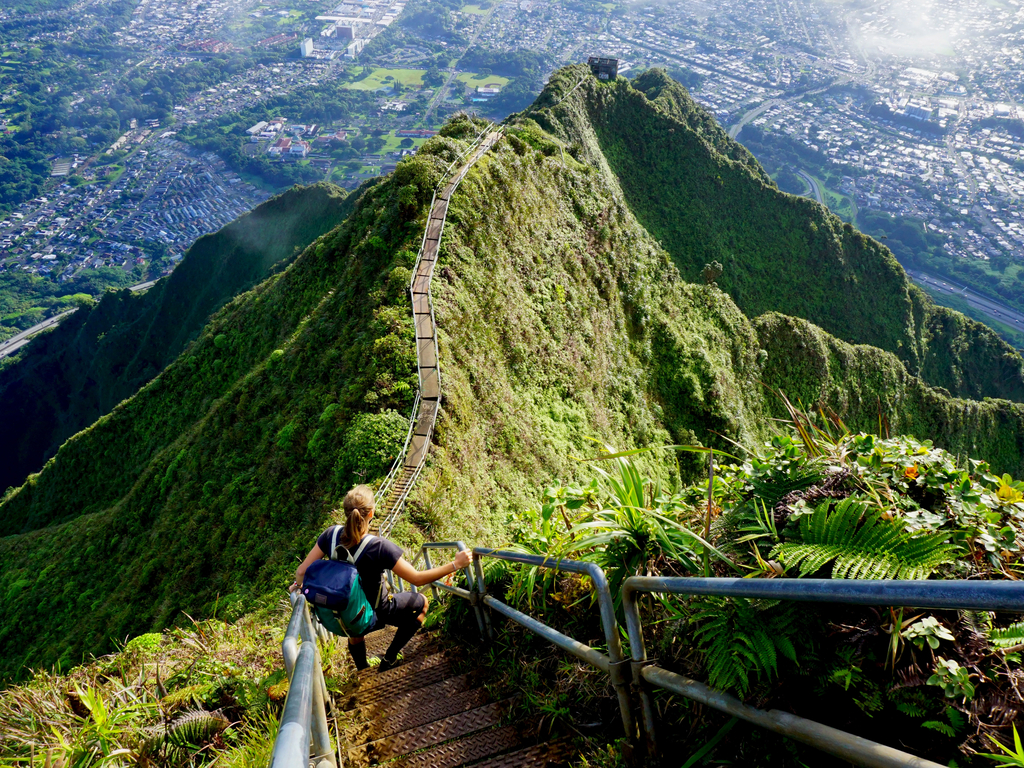
The steep and narrow steps of the Haiku Stairs winding through Hawaii's tropical landscape.
Challenge yourself with the steep ascent of Haiku Stairs and be rewarded with Hawaii’s natural beauty.

Can you climb the staircase to Heaven in Hawaii?

Yes, you can. The backway to the rescue! You can reach the foot of the Haiku stairs through the bamboo forest. The guards can’t stop you from scratching out the name of Haiku Stairs off your bucket list. You wouldn’t want to miss the opportunity of climbing these thrilling Haiku stairs in Oahu.

The climb is steep and extremely challenging. The Haiku stairs often become quite vertical, and all you have is a thin hand railing, to save you from falling into the valleys below! The climb of this stairway to heaven, Hawaii is of 4,000 feet, by stairs that are only about 18 inches wide.

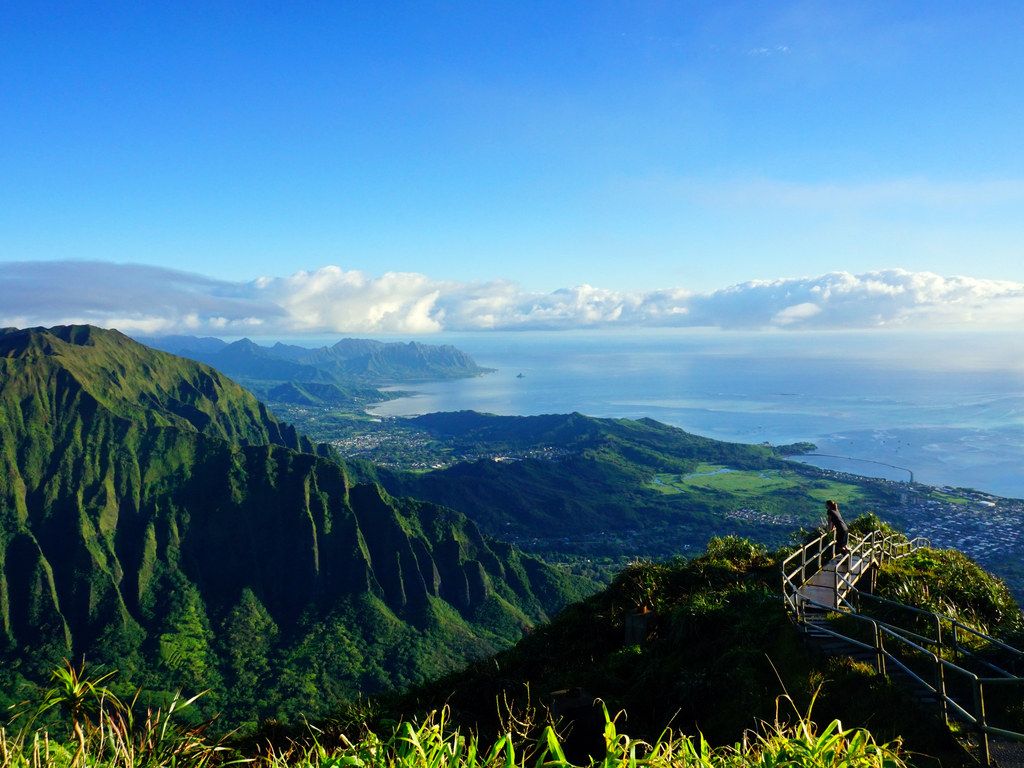
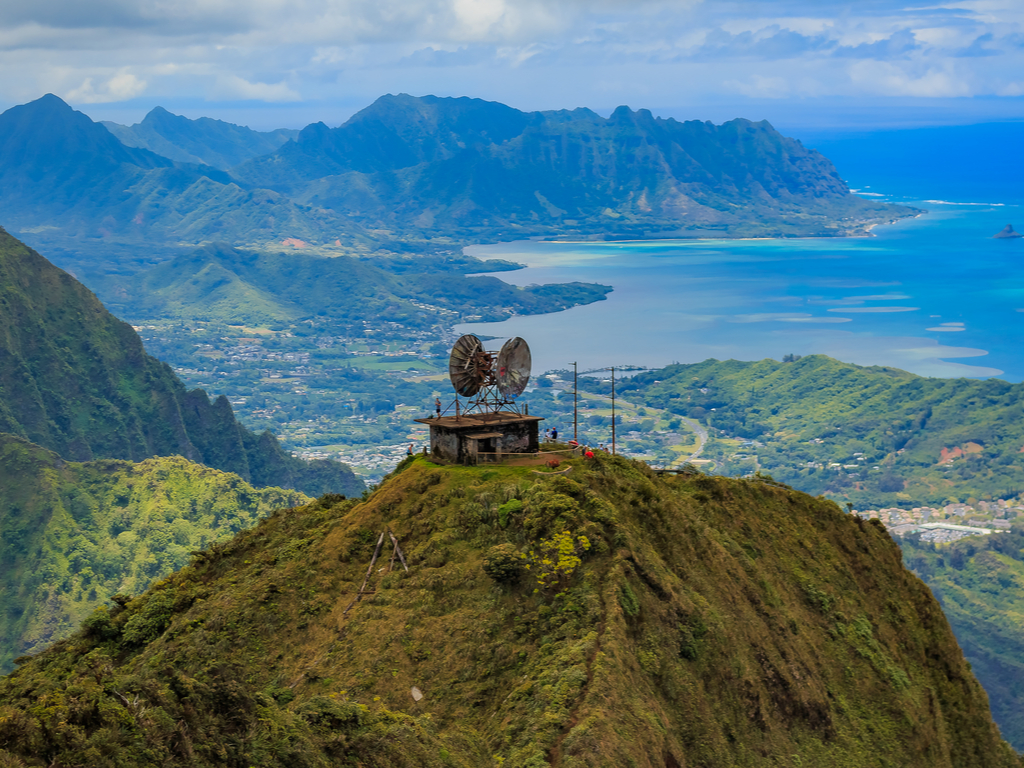
Breathtaking view from the top of the Haiku Stairs in Hawaii, overlooking lush green valleys.
Reach new heights and enjoy panoramic views when you visit Haiku Stairs, Hawaii’s staircase to heaven.

Don’t go unprepared, buddy!

This hike is not an ordinary one, as you would now know. Carry a few essentials with you to ensure a smooth climb.

  • Take plenty of water and some snacks with you.
  • Make sure you have a rope and a raincoat as the weather can be unpredictable.
  • Bring a headlamp so that your hands are free of holding the torch, and you can have a grip on the railing.
  • Wrap up all of this in a waterproof backpack. But make sure you don’t overfill your backpack as the hike of the Oahu Haiku Stairs is very steep.
  • Wear your hiking shoes and contact a guide who can help your gang with the hike.

Why is it called the Stairway to Heaven in Hawaii?

The Haiku stairs seem to reach up into the clouds. The sunrise that you get to see while on the stairway to heaven hike and the mountain view that catches your eyes and makes you sigh is priceless. Thus the Haiku stairs are rightly called the Stairway to Heaven, Hawaii.

As you reach the summit, you see the old radio station cabin with a large antenna. Chill out with your gang, take photos, and get ready to be even more thrilled on your way down.

Close-up of the Haiku Stairs' metal steps against the backdrop of Hawaii's natural beauty.
Witness the intricate construction of Haiku Stairs, perfectly complementing Hawaii’s landscape.

Sure enough, this hike is bound to change your life – the panoramic mountain view of Oahu Island, the orange, pink sunrise, the exhaustion while on the hike, the fear of falling down and a photoshoot like never before. This is surely the stairway to heaven hike!

Burano – Explore the city of colorful houses

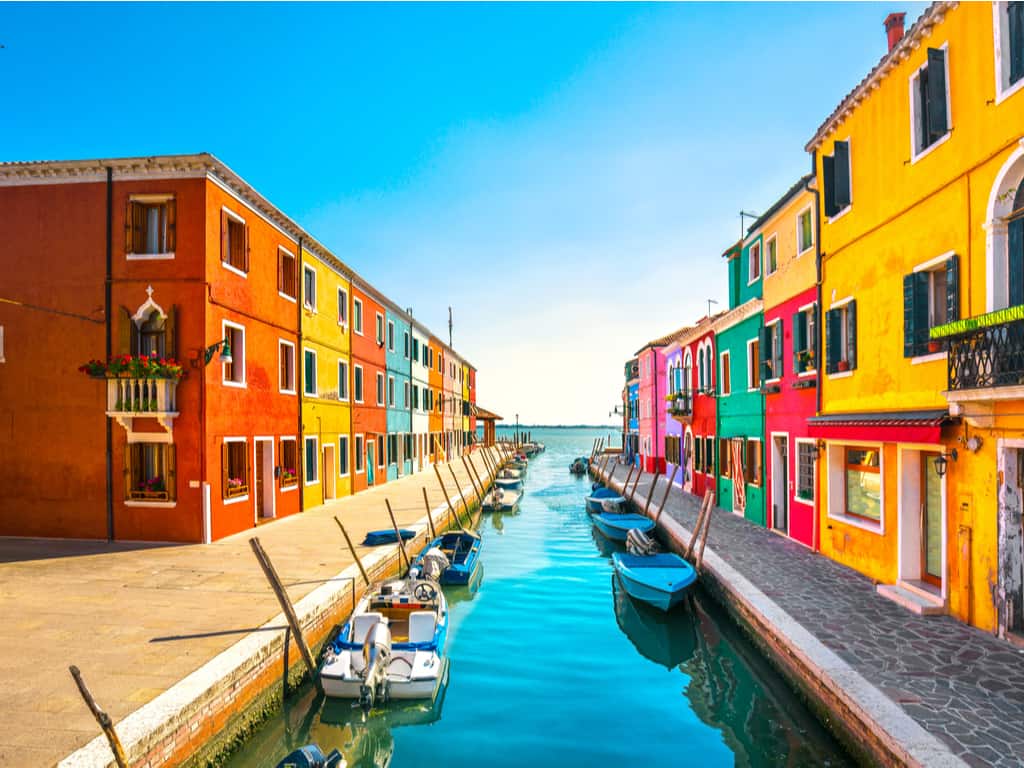
Boats moored along the brightly painted houses on Burano's canals, illustrating the island's fishing heritag

Burano is an astounding city of colorful houses and handmade laces in the northern Venetian Lagoon of Italy. With so much to explore and capture, let us take to the city of colors and its details through this article. Keep reading ahead to know more about Burano and it’s beauty. We have included a proper information guide in this article for your convenience.

The bright colored houses, the amazingly soothing lagoon, and the beautiful lace around the city make this place the paradise of colors in Italy. With happiness spread everywhere and some mouth-watering casual eateries, the city is awe-interesting.

The picturesque island of Burano in the northern Venetian Lagoon is famous for its brightly colored houses and handmade lace. The beautiful lagoon flowing through the city, the vividly colorful houses along the bay, and the crystal clear sky above the head, makes Burano Italy just color-perfect.

How do I get from Venice to Burano Island?

With the road distance of approximately 63 Kilometers, Venice to Burano is a stunning trip. The beauty of Italy and the romantic climate makes it interesting. The Vaporetto line that runs between Venice to Burano on the number 12 is the best option.

Boats moored along the brightly painted houses on Burano's canals, illustrating the island's fishing heritag
Experience the picturesque setting of Burano’s canals, lined with boats and colorful houses, echoing the island’s fishing history.

The mesmerizing ferry trip from Venice’s San Zaccaria to Burano and Murano is just classy. With just travel of 45 minutes, the stunning Burano island is ready to welcome you.

What is the island of Burano famous for?

Burano Island in the Venetian Lagoon of Italy is a perfect holiday destination. With the beautiful colorful houses and the unique handmade laces, this island is astonishingly superb.

The city is at its best from the early in the morning during the sunrise, to late in the evening during the sunset or midnight. With the calmness of the city, cooling and soothing lakes, and vivid colors spread, Burano is the most colorful and famous city of Italy.

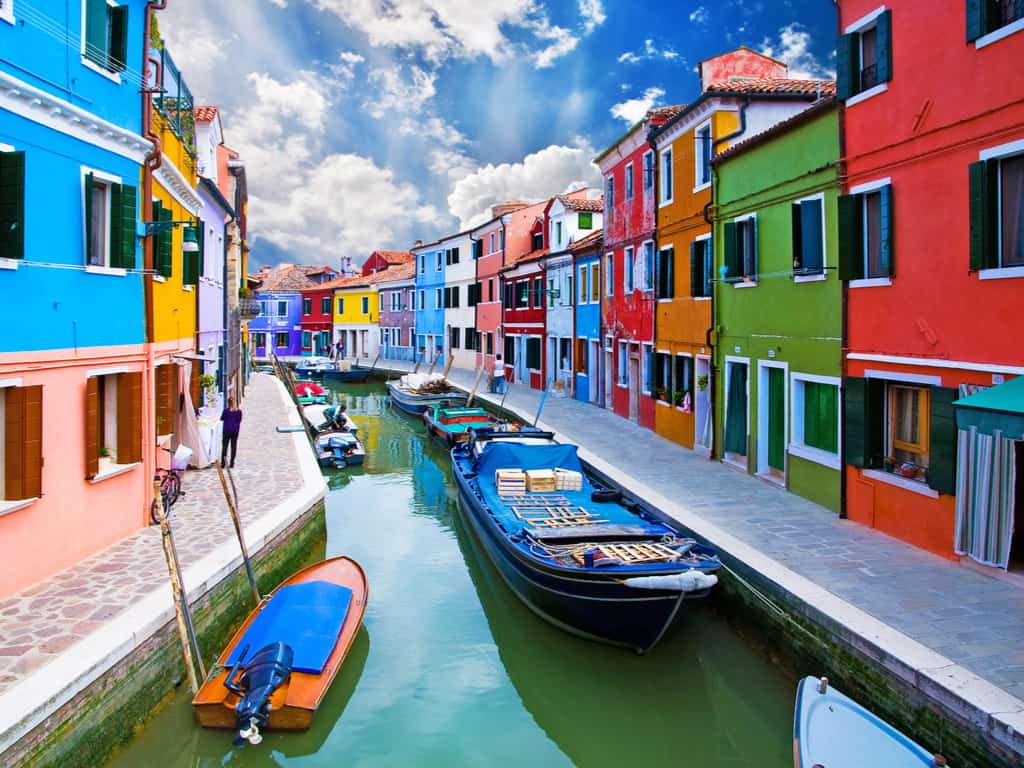
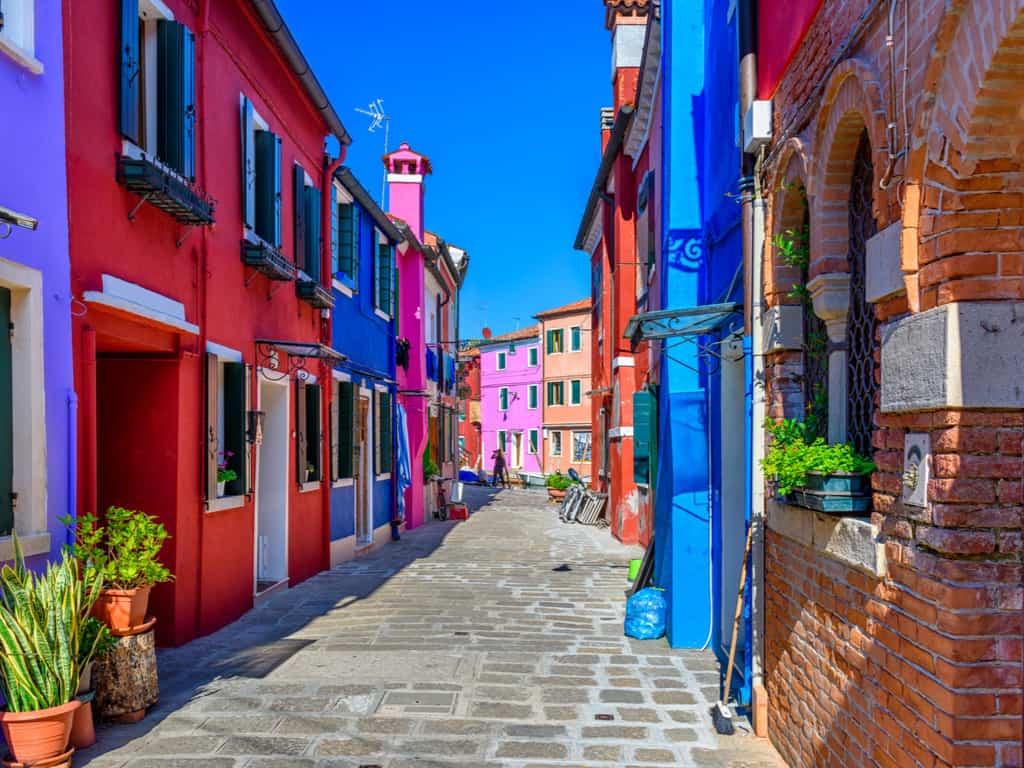
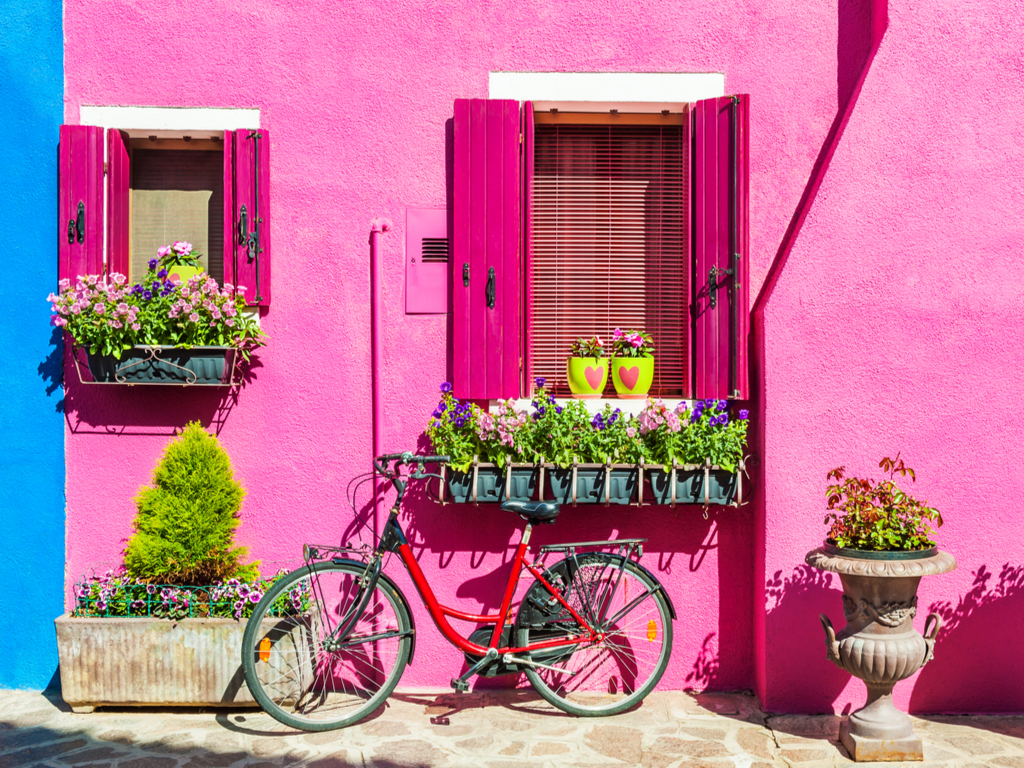
Colorful houses lining the canals in Burano, Italy, reflecting in the water and creating a vibrant scene
Discover the vibrant colors of Burano, Italy, where each house along the canal paints a picture of this island’s unique charm.

Why is this Italian city so colorful?

With the legend and stories spread about Burano Italy, the tale of the stunning colorful houses is also linked. The city of fishermen is painted with vivid and bright hue shades to help the fishermen reach their homes in the dark and thick fog of lagoon.

The bright walls reflecting the light and their un-shattered image reflected in the clear water of the lagoon, create a paradise at this beautiful city of Burano.

Narrow, charming streets of Burano, inviting visitors to explore the island's hidden corners and vibrant architecture
Stroll through the narrow streets of Burano, a journey filled with vibrant colors and enchanting architectural surprises.

What to do at Burano?

The alluring beauty of the colorful houses, the calm breeze, turquoise blue water, clear sky, and the beauty spread everywhere, Burano Island offers a lot to explore and expedite.

The best things to do here are:

  • Visit the colorful homes
  • Offer your prayer at St. Martin’s Church
  • Adore the handmade laces
  • Stroll the streets and have a look at the spectacular fisherman boats
  • Stroll around the Piazza Galuppi, the unique square of Burano
  • Spend some time at lace museum
  • Get drowned in the beauty of the city and the Murano Glass
Local artisans creating traditional Burano lace, a craft passed down through generations on the island
Meet the local artisans of Burano as they create traditional lace, a craft deeply woven into the island’s cultural fabric.

When should one visit Burano?

With the hues of color and the crystal clear blue water, and soothing climate, the city of Burano Italy is perfect to visit all round the year. With the average temperature and humidity, the ideal time to visit the city of colorful houses is from April to October.

The astounding and sparkling colorful houses, the calm lagoon, the soothing climate, and a calm breeze flowing throughout the city, Burano Italy is breathtaking. With the phenomenal site-seeing, beautiful sunrise, and sunset, every moment is mystical and magical.

Traveling to Burano, dreamy land of colorful houses is sure to take place in your bucket-list!

Easter Island – Exposition of hidden treasures amidst the Pacific

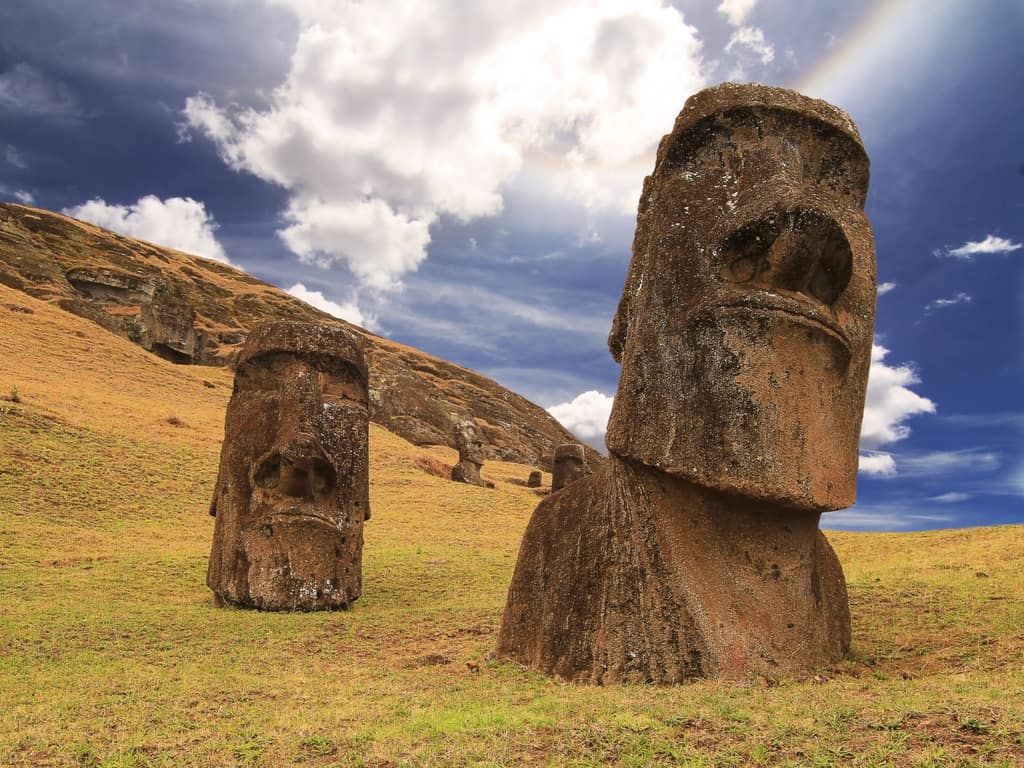
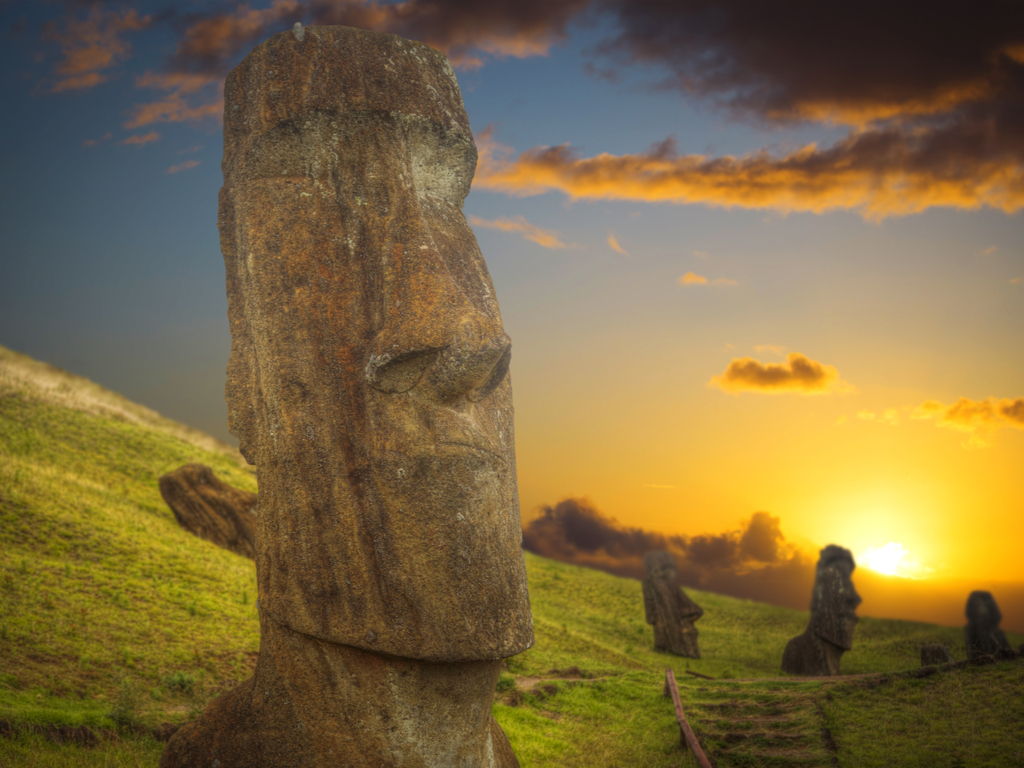
Close-up of the intricate carvings on a moai statue on Easter Island, reflecting the skill of the ancient Rapa Nui people

Searching for a unique travel destination for your next trip? Your search ends here. Rapa Nui National Park & Easter Island are located in the Pacific Ocean, approximately two thousand miles away from South America. Rapa Nui National Park comprises approximately 42 percent of Easter Island.

This destination is a part of the Polynesian triangle along with New Zealand and Hawaii. The 900 monumental sculptures of Easter Island have made this a major travel destination.

How to get to Easter Island?

Tourists dedicate two days to travel to Easter Island. You will have to travel to Santiago, the Chilean capital, first. LAN Airlines offer six-hour one flight from Santiago to Easter Island on a regular basis. The approximate travel time is around one and a half days.

Close-up of the intricate carvings on a moai statue on Easter Island, reflecting the skill of the ancient Rapa Nui people

How much does it cost to go to Easter Island?

You can gain access to Rapa Nui National Park by buying a ticket worth 80 dollars at the National Park booth at Mataveri Airport. Alternatively, tickets are also available at Ma’u Henua Indigenous Community Central Office in Hanga Roa.

The ticket facilitates you with an entry in Rano Kau Quarry and Ahu Tongariki. We promise that the experience is worth it and justifies the slightly higher entrance fee.

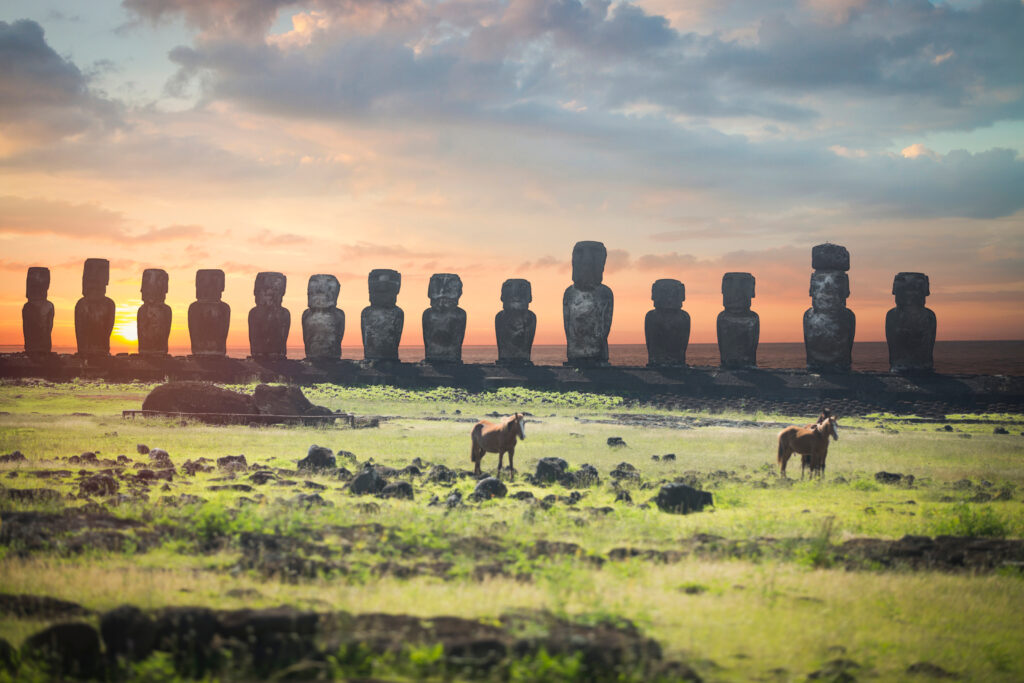
Sunset casting a golden glow over the moai statues at Ahu Tongariki on Easter Island, creating a mystical atmosphere
Witness the captivating sunset at Ahu Tongariki, where the moai statues of Easter Island are bathed in golden light.

Why is Easter Island called Easter Island?

It’s time for a history lesson. Contrary to popular opinion, Jacob Roggeveen – a Dutch explorer – discovered this eponymous island while sailing south Pacific on April 5, 1722.

This date coincided with the Easter holiday, according to the Christian calendar. Feeling inspired, Jacob named this island ‘Paasch-Eyland’, which stands for ‘Easter Island’ in Dutch. Isn’t this Easter Island fact mesmerizing?

The Top 3 Easter Island Facts

  1. Easter Island was the first Pacific island nation to be classified as a UNESCO World Heritage Site.
  2. None of the monumental sculptures of Easter Island were erect when they were first discovered. The ones you see today have been re-erected.
  3. The statues are believed to harbor spirits of tribal ancestors. They are perceived as the symbol of good fortune by locals.
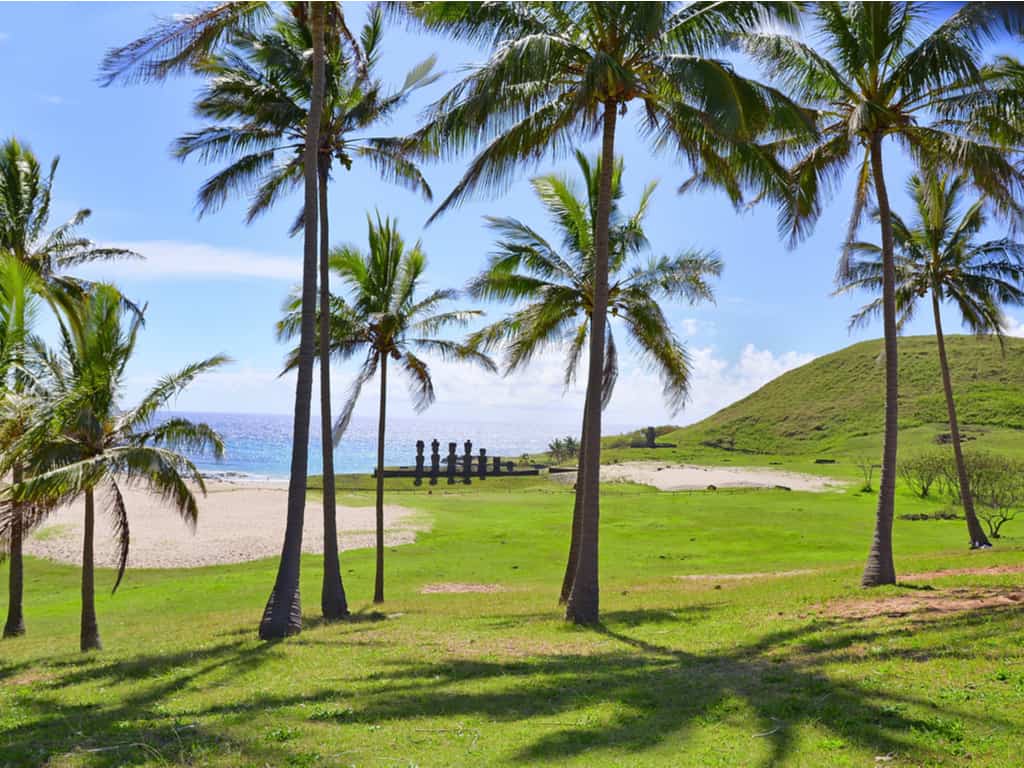
The serene Anakena Beach on Easter Island, with its white sands and moai statues overlooking the Pacific Ocean
Relax on the pristine Anakena Beach of Easter Island, a perfect blend of historical intrigue and tropical beauty.

What is the best time to visit Rapa Nui National Park & Easter Island?

The best possible time of the year when you should visit Rapa Nui National Park & Easter Island is between October and December and April and June. The temperate climate makes sightseeing easy and the prices are quite reasonable.

If you wish to attend the Tapati Rapa Nui Festival, you will have to visit during February. The cool ocean breeze effortlessly complements the tropical weather, thereby making tourism comfortable.

However, the temperatures can sometimes exceed 27 degrees Celsius, so make sure that you carry ample water and apply sunscreen.

"Iconic moai statues standing against a backdrop of a clear blue sky on Easter Island, a symbol of the island's mysterious past
Explore the enigmatic moai statues of Easter Island, a testament to the island’s rich and mysterious history.

Where should you stay in Rapa Nui National Park & Easter Island?

Hare Nua Hotel Boutique: Provides the coziest rooms filled with greens and antique straw furniture, with a traditional wooden bathtub to calm your nerves at the end of your adventures.

Hotel Maea Hare Repa: The choice for minimalistic and comfortable accommodation and delicious breakfast buffet.

Pikera Uri Eco Lodge: Classy and vintage with a mesmerizing ocean view, it never fails to please the visitors.

Inaki Uhi Hotel: One of our top picks, thanks to its convenient location along with its homely feel and highly co-operative and gentle staff.

Hotel Hangaroa Eco Village & Spa: Fantastic service and celebrity style treatment right on the seashore! Also, it is at a walkable distance from the Hanga Roa.