All You Need to Know About Lourdes – France’s Biggest Catholic Pilgrimage Site

Lourdes Frances Biggest Catholic Pilgrimage

Lourdes, France is one of the most popular destinations in the world when it comes to religious significance and pilgrimage. It is located in the southwest of France, in the foothills of the Pyrenees mountains.

Millions of tourists, both religious and not, visit the famous city every year. Its religious sites are visited for both pilgrimage or just to experience the amazing atmosphere the site has to offer. Even before the world-famous apparitions of the Virgin Mary in the 1800s, Lourdes has been famous for its magnificent fortified castle, Chateau fort de Lourdes, which is located on its outskirts.

After the Immaculate Conception first appeared before a peasant girl named Bernadette Soubirous, Lourdes became a hotspot for religious pilgrimages. It has become one of, if not the most frequently visited pilgrimage sites in the world. 6 million people visit the city every year. Let’s look at the religious history of the city, learn more about who St. Bernadette is, and what you can do while you’re in the city of Lourdes.

Who is St. Bernadette of Lourdes?

For years now, Lourdes has been synonymous with the power of miracles and religious pilgrimage. The reason for this is the miraculous experiences of Bernadette Soubirous, now known as St. Bernadette of Lourdes.

In 1858, a young peasant girl named Bernadette Soubirous was outside gathering firewood for her home.  While gathering, Bernadette stumbled into a grotto called Massabielle. In this grotto, she saw a vision of the Virgin Mary. The following weeks were incredible for young Bernadette, she experienced a total of 17 more apparitions of the Virgin Mary.

This was huge news for the town. In one of the apparitions, the Lady revealed herself as the Immaculate Conception. The Lady then requested a chapel to be built at Massabielle, the grotto where Bernadette first saw the apparition. This chapel’s purpose was to be visited by the faithful.

The Lady also instructed young Bernadette to drink at the spring in the grotto and wash in its waters. There was no spring visible in the grotto, even so, Bernadette dug out the soil and found it. To this day, the spring waters still continue to flow which provides thousands of gallons of water to provide for fountains and baths.

Today, the chapel is now a large two-level Basilica, which rises above the grotto. The Basilica can accommodate 2000 pilgrimage, however, this wasn’t enough for the number of people visiting every year. In the 1950s, the Underground Basilica of St. Pius X was built to accommodate around 25,000 pilgrims.

After multiple investigations by the Church and various bodies, Bernadette’s reports were declared “worthy of belief” on February 18, 1862. The first apparition in the garden grotto is now known as Our Lady of Lourdes. Saint Bernadette described the Blessed Mother as so beautiful that if you’ve had seen her, it’d be impossible to love anything else on the Earth.

St. Bernadette was declared venerable in 1913 by Pope Pius X and beatified on the 14th of June, 1925, by Pope Pius XI. She was declared a saint by Pope Pius XI on the 8th of December, 1933. Saint Bernadette is the patron saint of the poor, ill, sheep tenders, and individuals who are ridiculed for their faith.

The Holy Mother Church also recognizes St. Bernadette as a saint of common sense, simplicity, common sense, and Our Lady’s Little Confidante. Her official feast day is on the 18th of February. Miraculously, since her death, Saint Bernadette’s body has remained incorrupt.

The Holy Pilgrimage to Lourdes

Lourdes has been synonymous with religious pilgrimage since the miracle in the Grotto of Lourdes. But what is a pilgrimage, exactly?

A pilgrimage is most often than not a religious activity. In a pilgrimage, individuals called pilgrims travel long distances to reach a sacred place such as a shrine or temple. Millions of faithful individuals, especially Roman Catholics, visit the site every year. They come to experience the site where the visions of St. Bernadette took place. Pilgrims also come to be healed by its miraculous waters.

However, Christian pilgrims have also started to embark on the pilgrimage to visit and pray at the Sanctuary of Our Lady of Lourdes. They also worship at the grotto where the Lady appeared before St. Bernadette.

As for the legitimacy of the miracles, the International Medical Committee of Lourdes began in 1947 and is responsible for judging whether the healing miracles in Lourdes are real.  The Roman Catholic Church has recognized 69 miracle cases as real by 2015.

Lourdes’ Water and Its Miracles

The story of Lourdes and its miracles is famous across the world. Whether these stories are true remains on the individual’s beliefs. In this section, let’s look at some of the numerous miracle stories experienced by the faithful.

Mrs. Catherine Latapie

The first-ever miracle documented at Lourdes happened in 1858. A woman named Catherine Latapie felt an urge to visit Lourdes for healing. Two years before visiting, Catherine had an accident where she fell from a tree, injuring her right hand. This injury left two of her fingers permanently paralyzed.

Mrs. Latapie met Bernadette at the grotto, Bernadette instructed her to wash her hand in the spring that appeared. After washing them, the paralyzed fingers regained their movement in an instant.

Louis Bouriette

Another miracle that happened in Lourdes is to the old gentleman, Louis Bouriette. Mr. Bouriette was 55 years of age when he visited Lourdes in 1858. A mine explosion rendered his right eye blind; the same explosion killed his brother who was standing at his side. Mr. Bouriette also washed his right eye in the spring and prayed to Our Lady of the Grotto for a cure.

After washing his eye, the vision came back completely. In 1862, the miracle cure was deemed by the medical community as of “supernatural character.”

Serge Francois

The miracle of Serge Francois is the most recent approved miracles at Lourdes. Mr. Francois was 56 years of age when he embarked on the pilgrimage to Lourdes seeking healing. Two surgeries on his left leg left it completely immobile due to a herniated disc.

Mr. Serge Francois performed the customary ritual when arriving at the shrine in the grotto. He washed his face and drank from the spring waters. He completed this pilgrimage in April 2002. After this, his left leg began healing itself. He fully recovered in 2003, where he approached the medical board to investigate the phenomena. This request was approved by the Bishop Emmanuel Delmas of Angers, France in 2011.

Things You Can Do While in Lourdes

Lourdes, France is a wonderful place to visit for both religious and enjoyment purposes. The city is rich in history, with a beautiful sense of piety and purity. Here are some of the things you should definitely do whenever you decide to visit Lourdes.

Visit The Sanctuary of Our Lady of Lourdes

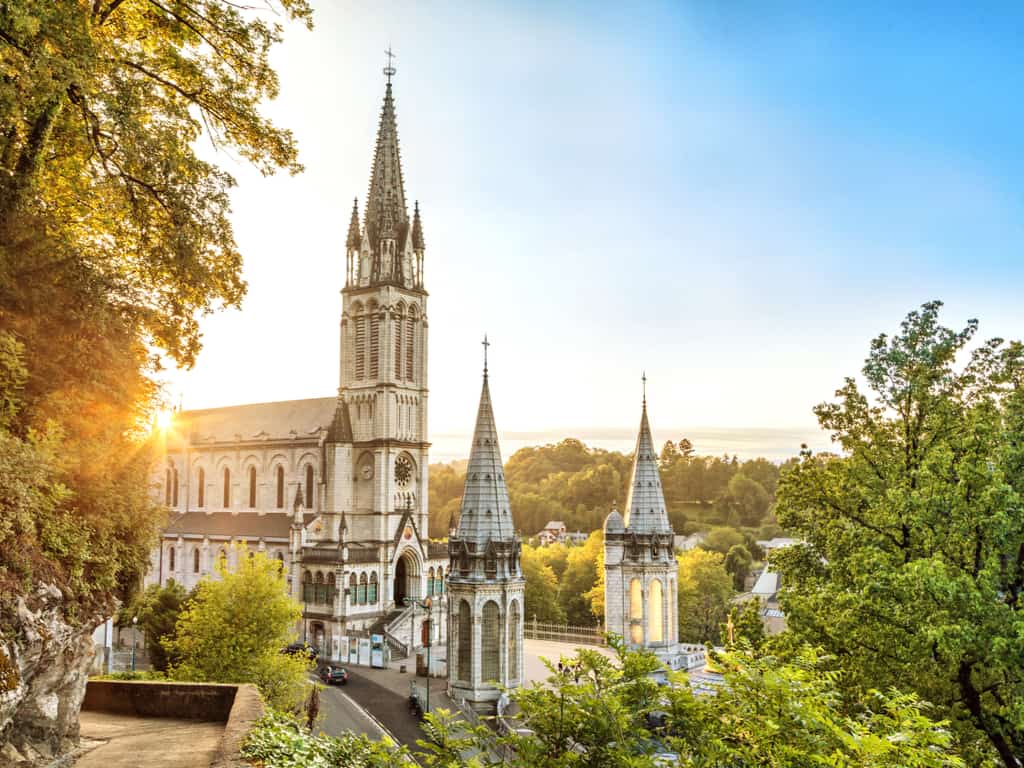
A trip to Lourdes isn’t complete without visiting the world-famous Sanctuary of Our Lady of Lourdes. This is where the religious tourism of Lourdes all began. This place is a hot-spot for devoted pilgrims from all over the world. However, even if you aren’t as devoted, it is still worth visiting for the atmosphere alone.

Visit a Popular Museum – The Pyrenean Museum

The Pyrenean Museum is also worth a visit if you’re interested in the rich history of the area. It is located in the Chateau-Fort De Lourdes, a huge medieval castle. Inside the museum is a collection of various artworks and artifacts from the region. These include beautiful paintings and drawings.

Enjoy the View of Lourdes from Funiculaire du Pic du Jer

Take a trip to Funiculaire du Pic du Jer to get one of the best views of Lourdes and the peaks of the Pyrenees mountains. This place is perfect for photos and can easily become your new profile picture on social media. The way up can be a long trip, taking around three hours but it is worth it for the scenic views on the way up.

Learn About St. Bernadette Soubirous’ life at Moulin de Boly

Moulin de Boly is the birthplace of St. Bernadette and is located at the heart of Lourdes. It was originally a water mill; the place was renovated in 2012. It is now a museum that features a kitchen, a bedroom, and a water mill. There are informative tours available for tourists looking to learn more about St. Bernadette Soubirous’ life.

Visit the Chateau-Fort De Lourdes

Bask in the majestic Chateau-Fort De Lourdes, an old medieval castle that is perched atop a rocky cliff. You can enjoy the views of the Pyrenees mountains inside of this millennium-old castle.

Chemin de Croix – The Way of the Cross

If you’re planning to go on a pilgrimage to Lourdes, the Chemin de Croix – The Way of the Cross is an essential part of the journey. It is a famous 1.5-kilometer route that runs along a wooded hillside. It features 15 different stations that depict the journey of Jesus Christ on his way to his crucifixion.

How to Get to Lourdes

If you’re planning to go on a pilgrimage to Lourdes, the Chemin de Croix – The Way of the Cross is an essential part of the journey. It is a famous 1.5-kilometer route that runs along a wooded hillside. It features 15 different stations that depict the journey of Jesus Christ on his way to his crucifixion.

Conclusion

That is our article on everything you need to know about Lourdes. We hope that you’ve learned something new by reading the article. We hope that you enjoy your trip to Lourdes whenever you decide to go.
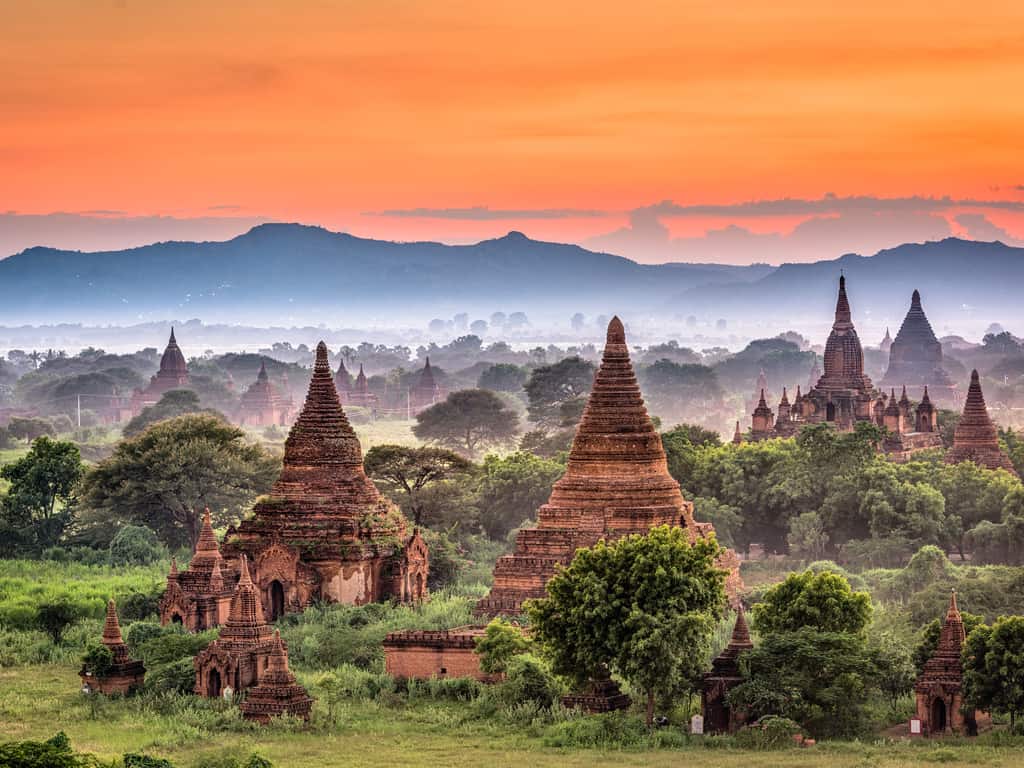
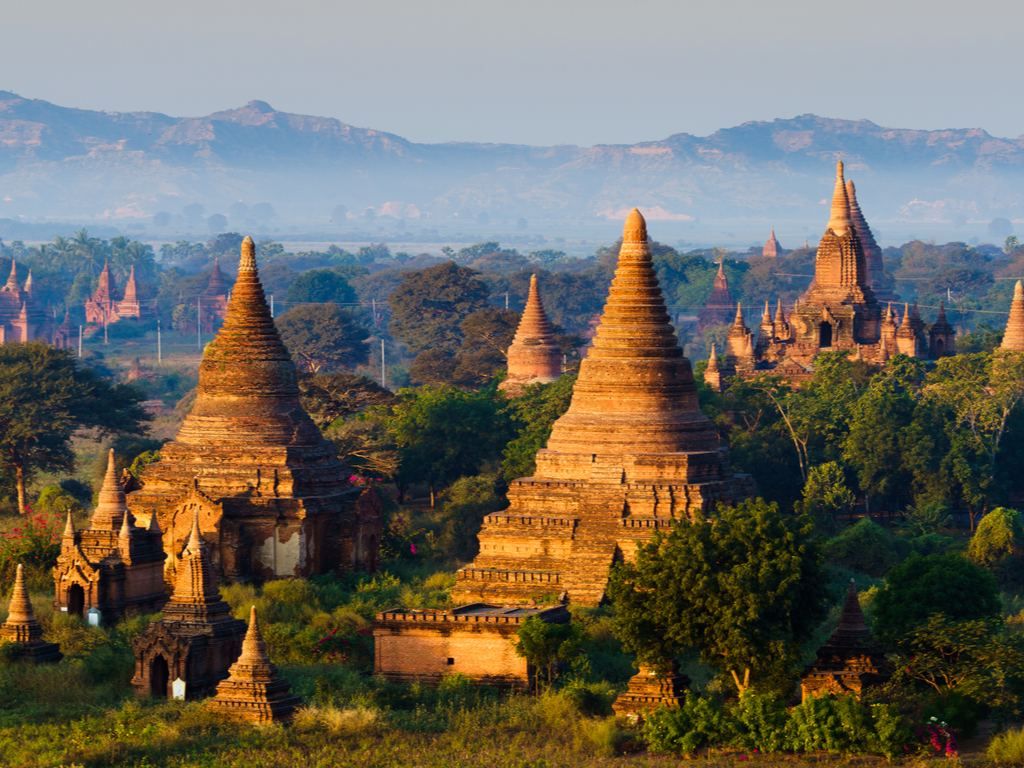
Bagan In Myanmar – Discover The Secrets Of This Extraordinary Temple Plain

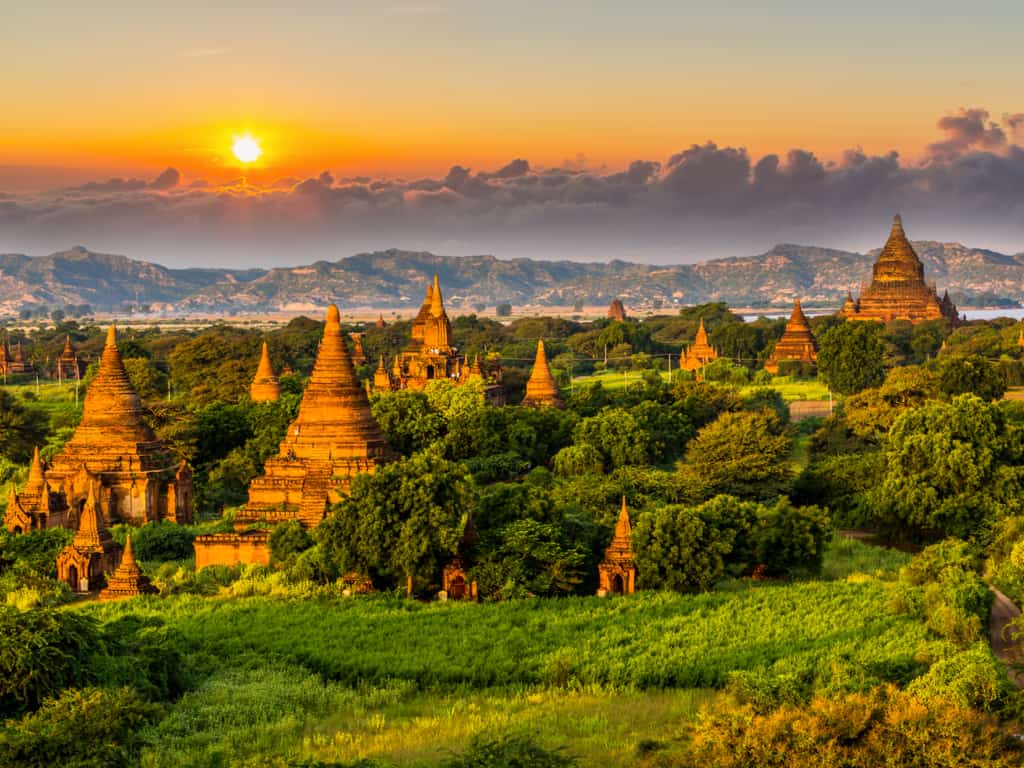
Aerial view of Bagan during sunset, highlighting the golden hues on the temples and landscape.

Rising from the lush green trees, the extraordinary plain of more than 3500 ancient temples and pagodas of Buddhists, the Bagan is just aesthetic beauty. With the details of the beauty, it stores, this article will take you to a trip of Bagan Myanmar Temples. Keep reading the article ahead to know everything about Began.

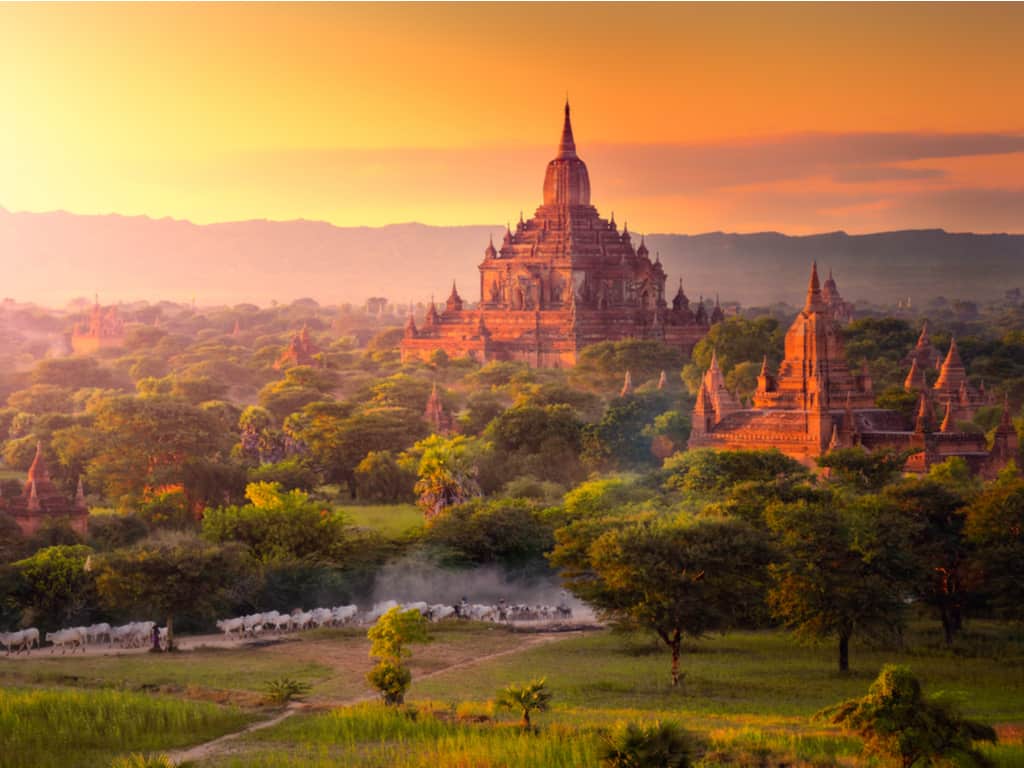
With the free-flowing Irrawaddy river and surrounded by the hazy silver-grey mountains, the land of peace and beauty, at its peak, Bagan, Myanmar is mesmerizing. With the astonishing aerial view and such a stunning cluster of ancient buildings and temples that stretch beautifully to around 16 square miles, the Old Bagan Myanmar temples are just charming.

With so much to explore and visit, this place will literally amaze you.

How to get to Bagan in Myanmar?

Bagan is a place that has restores the beauty of the ancient temples with the lush green trees and the beautiful silver-grey mountain, all covered by the cottony clouds from above. To reach this destination the best travel route is from Yangon to Bagan. Just fly from the Yangon International Airport into Nyaung U airport and book a cab from there to reach the Old Bagan Myanmar in 10 minutes or New Bagan, Myanmar in 20 minutes.

Intricate stone carvings adorning the façade of a Bagan temple, showcasing Myanmar's artistry.
Admire the intricate stone carvings on Bagan’s temples, reflecting the artistic mastery of ancient Myanmar.

What things to do in Bagan?

The alluring beauty of nature, the endless sky running above the head, and the architectural beauty of temples blended with the charismatic aura, this place is a paradise. With so much to explore and visit, the best things to do here are:

Sunrise over the ancient city of Bagan, Myanmar, with silhouettes of temples and hot air balloons in the sky.
Witness a breathtaking sunrise in Bagan, Myanmar, where the sky comes alive with hot air balloons over ancient temples.
  • Wake up early and fall in love with the beautiful sunrise.
  • Get an electric bike and go cycling around the temples and pagodas
  • Explore the archaeological ruins.
  • Try on the delicious and authentic Burmese cuisine.
  • Visit Mani-Sithu Market.
  • Stop by a Lacquerware workshop.
  • Go for the charming Bagan’s sunset.
  • Ride in the Balloons over Bagan

When to visit Bagan in Myanmar?

With the usual temperature high all through the year, the best time to visit Bagan in Myanmar is between November and February. During this time of the year, the temperature decrease creates a soothing and calming environment.

The sensational beauty of the temples with the charm of nature, the Bagan are just thrilling. With so much to explore and with every moment awe-inspiring, a trip to this place would be just calming to the soul and memorable, so plan one today!

A panoramic view of the sprawling temple plains of Bagan, dotted with pagodas and stupas.
Explore the panoramic beauty of Bagan’s temple plains, a testament to Myanmar’s rich Buddhist heritage.

Where is best to stay in Bagan?

The Bagan is an extraordinary place that will give you shivers. With so much it holds and the soothing and calming environment that id created here, the place is bliss. The positive aura of the mind-blowing architect will help you to leave all your worries behind.

Aerial view of Bagan during sunset, highlighting the golden hues on the temples and landscape.
Soar above Bagan during sunset to see the landscape transform with golden hues, a mesmerizing view of Myanmar.

The best places to stay here are:

  • Hotel at Tharabar Gate: With a couple of temples in the garden, an outdoor pool, a spa, and a wellness center, this hotel is a luxury.
  • Bagan Hotel River View: With the view of the astounding river, and just next to the Bagan Archaeological Museum and the Gawdawpalin Temple, this hotel is a smooth stay.
  • Myanmar Treasure Resorts Bagan: The palace-like resort with a beautiful garden and so many swimming pools, this hotel is a luxurious stay.
  • Heritage Bagan Hotel: The luxurious and the most spectacular hotel just near to the airport, this is one of the best and comfy stay options.
  • Amata Garden Resort Bagan: The budget-friendly hotel with splendid hospitality and the best scenic view, this is a place to consider on the trip to amazing Bagan.

Acropolis of Athens – All You Need To Know To Explore The Amazing Sacred Rock Of Athens

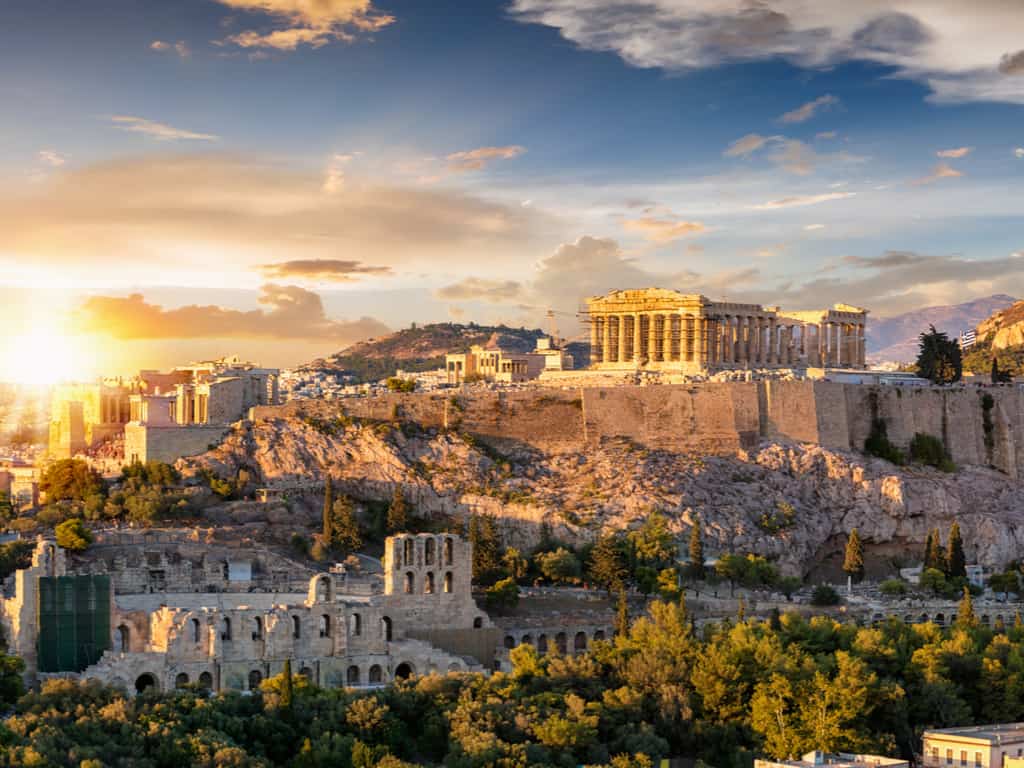
Sunset casting a golden hue on the ancient stones of the Acropolis, creating a magical atmosphere

The historical site of the Acropolis of Athens is the stunning and gigantic sanctuary of ancient Athens crowned by the Parthenon, which shines in the gleam of the midday sun, and the honey-hued shade spread in the sky makes the place a bliss. With so much to see and explore, to dive into the beauty of the past, this article will drench you with the astonishing history of Greece. We have covered all the information about Acropolis in the article ahead.

The Acropolis with the remains of the marvelous ruins of ancient buildings and historic temples on the Acropolis, this place is flabbergasting. The beauty of the ancient rocks under the honey-red toned sky and the glimpse of the magnificent sight creates an awe-inspiring moment.

How to get to the Acropolis of Athens?

The Acropolis is the beauty of the history still preserved in the perfect state in Athens. The best way to get to the Acropolis is to reach the Plaka, and the entrance is up from the rock of Areopagus. With 80 steps reaching this peaceful place of standing rocks and limestone, this place is bliss and blessing both.

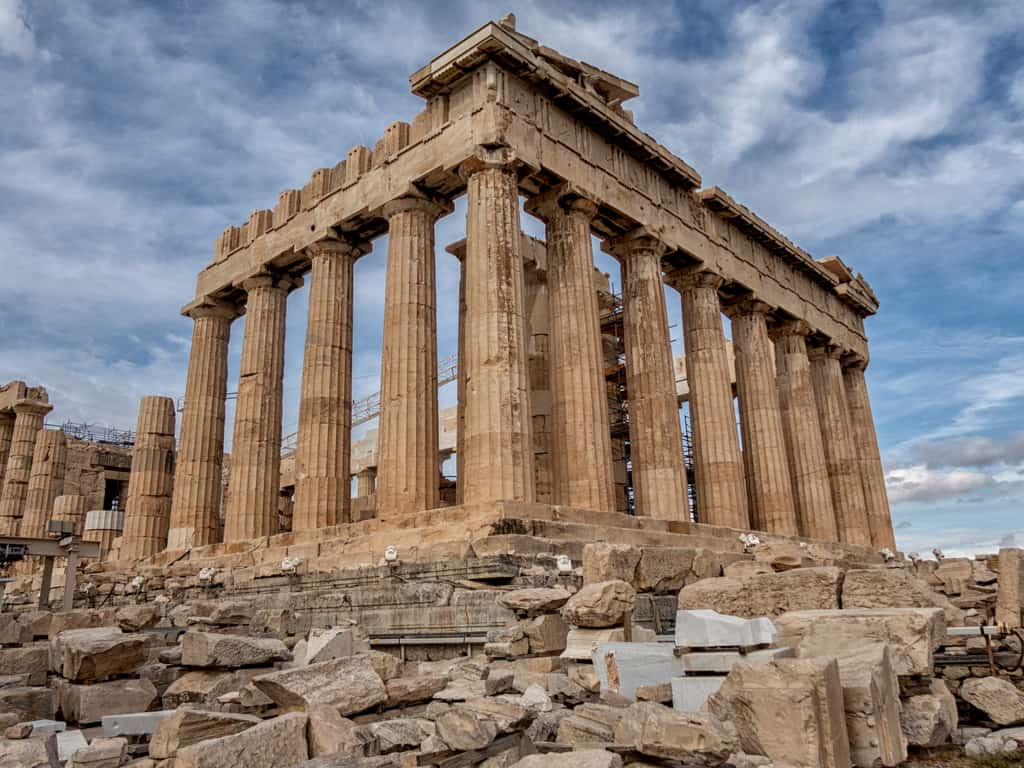
The Parthenon temple standing majestically on the Acropolis hill under a clear blue sky in Athens.
Marvel at the Parthenon, a symbol of ancient Greek civilization, on your visit to the Acropolis in Athens.

What does Acropolis mean?

The sacred rock of the Acropolis is an extraordinary place that will give you shivers. With the beauty loaded and the history unfolded, this place is a perfect blend for tourism with the scope to explore nature and history. The Acropolis is an ancient Greek word that refers to the citadel, which is the home to kings, and the mystical gods, built on the hilltop. The Acropolis meaning is deep that says the highest and topmost city.

Close-up of the intricate friezes and sculptures on the Parthenon, displaying ancient Greek artistry.
Admire the intricate friezes and sculptures on the Parthenon, showcasing the zenith of ancient Greek artistry.

When was the Acropolis built?

The stunningly charming Acropolis of Athens stands between the astounding Parthenon and Erechtheum. Structured and planned to stand with all beauty in 438 BC, this temple of the Acropolis is startling. With the fragmented structures that stand today clubbed with the scenic beauty of nature and the honey-hued sky painted by the sun, the place is flabbergasting.

Panoramic view of Athens from the Acropolis, showcasing the city's blend of ancient and modern architecture.
Enjoy breathtaking panoramic views of Athens from the Acropolis, where history meets modernity.

What to do at the Acropolis?

The Acropolis is undoubtedly a trip to the past. The trip to the past blended with the attractions that stand today; there is a lot to do at this historian charm. Buying the Acropolis tickets in advance will ensure that no monument is missed, and the trip is memorable and beautiful. The best sites to visit or the best things to do at the Acropolis are:

  • Parthenon
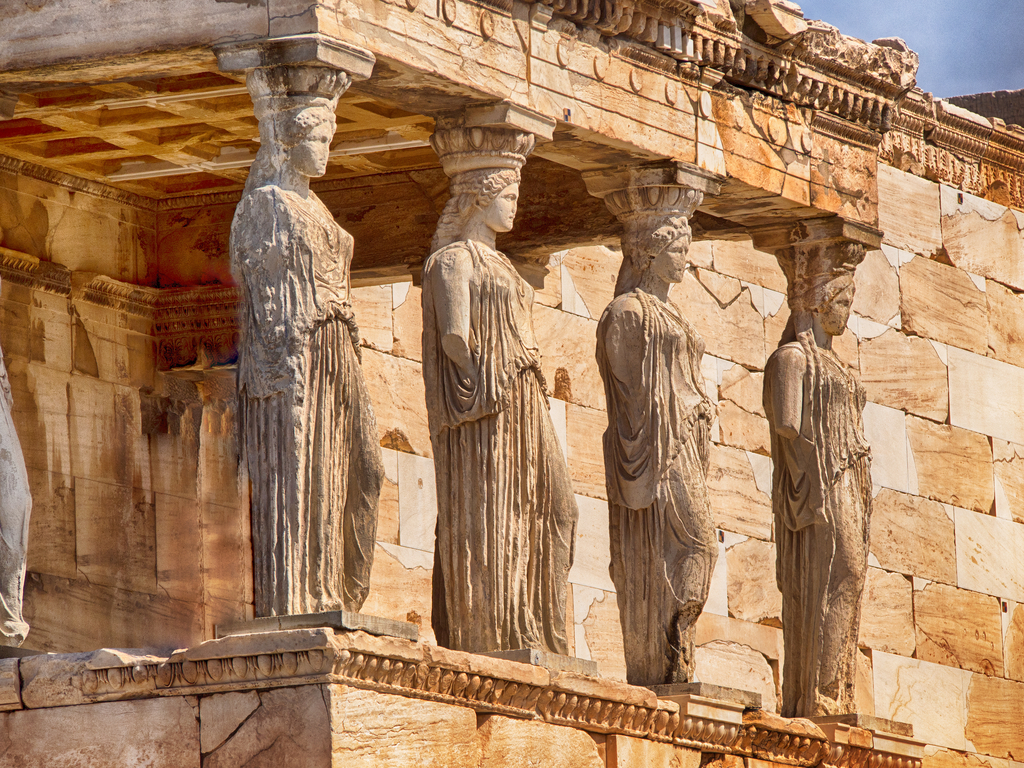
  • Erechtheion
  • Propylaia
  • The Temple of Athena Nike
  • Old Temple of Athena
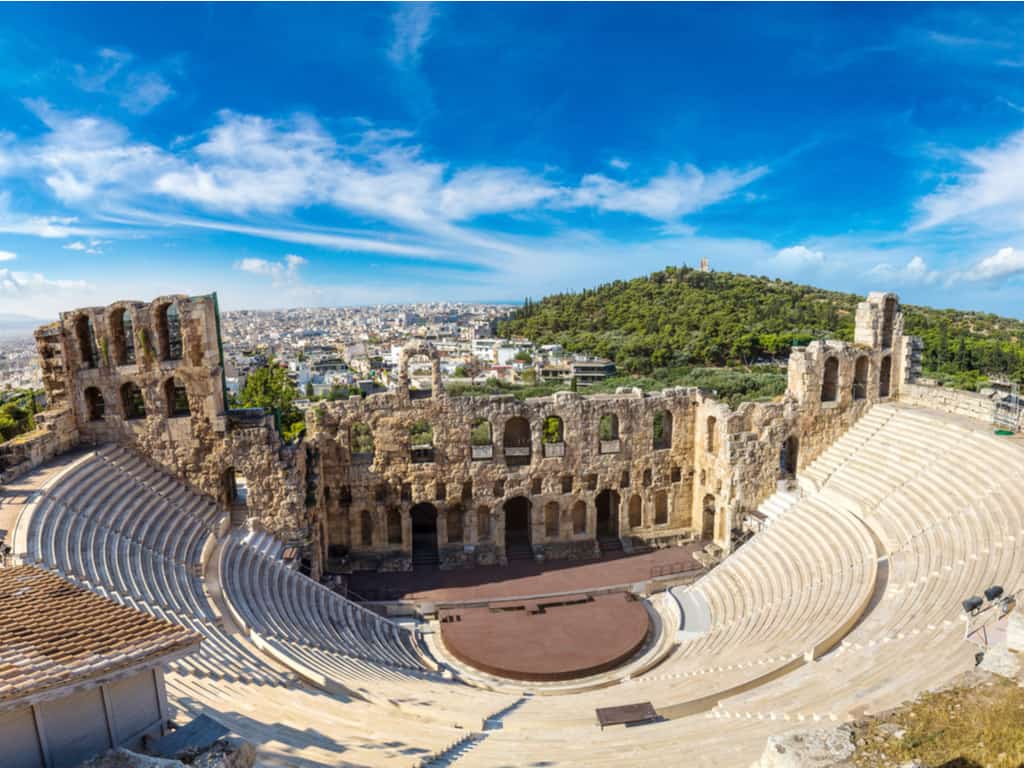
  • The Odeon of Herodes Atticus
  • Acropolis Museum
  • Ancient Angora
  • Kerameikos

When to visit The Acropolis?

Visiting the site of natural history and the beauty of the ancient period is always bliss. With so much to see and explore, the time spent here under the clear sky would be thrilling. The Acropolis of Athens closes for a few days every year. During summer, it is advisable to visit early in the morning, and the rains need to be avoided as the rocks turn slippery.

Sunset casting a golden hue on the ancient stones of the Acropolis, creating a magical atmosphere
Experience the magical sunset at the Acropolis, as golden light bathes the ancient stones.

Where to stay in Athens to visit the Acropolis?

The sensational beauty of the rocks at the Acropolis of Athens is awe-interesting. With the beauty scattered and the belief of the past, this place is a must to visit. So, to explore the rock monuments at the Acropolis, don’t forget to plan a visit to this historically distinctive site!

Abu Simbel – The Unforgotten Home Of The Temple That Moved

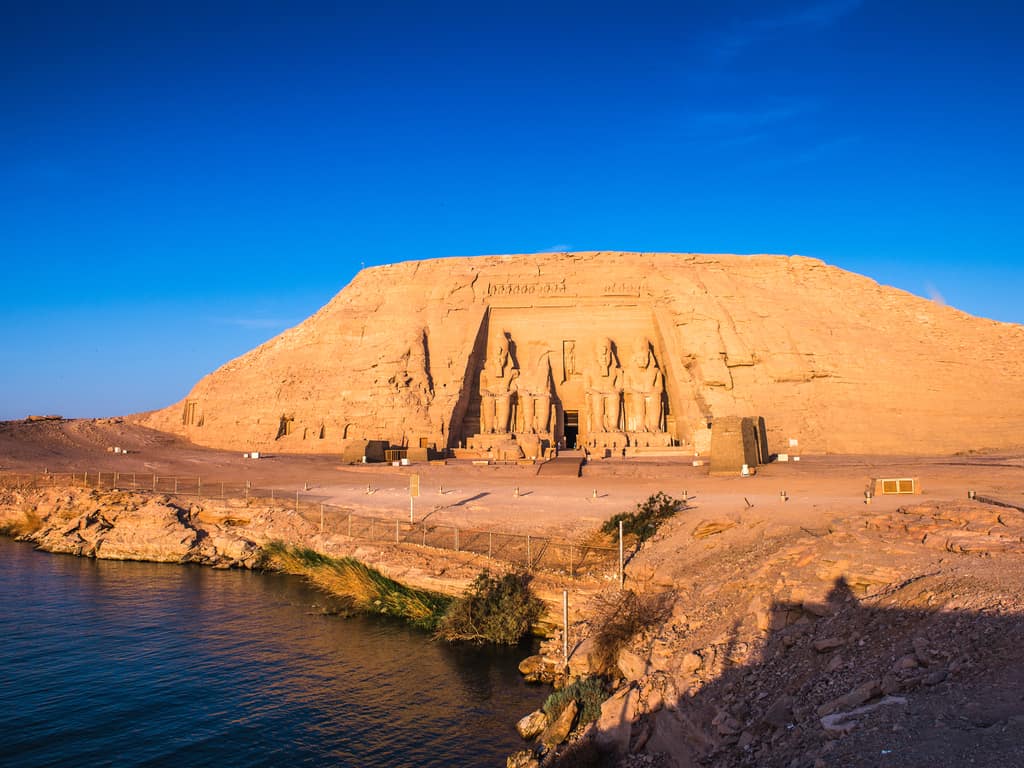
"The grand facade of Abu Simbel temples, with colossal statues of Pharaoh Ramses II, against a clear blue sky.

Abu Simbel is a remote and tiny village located in southern Egypt, quite close to its border with Sudan and hardly has 3000 inhabitants. Then what is so special about this village? Let us dig into some interesting facts.

Why is Abu Simbel Important?

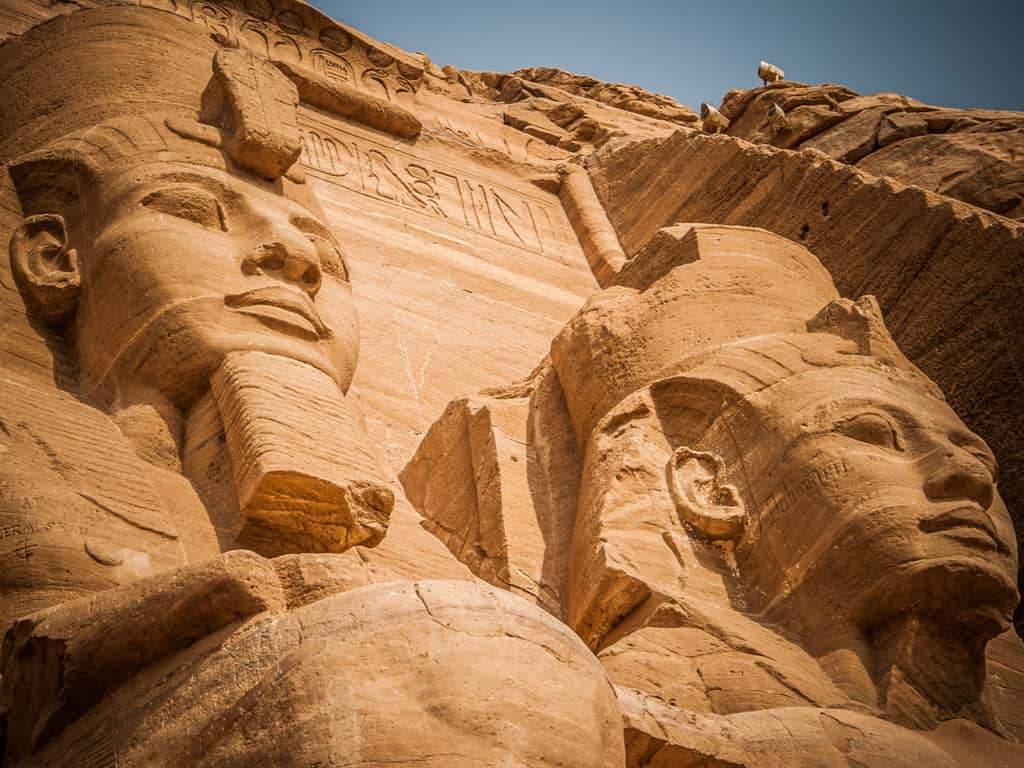
The Egyptian Pharaoh Ramesses II built the massive carved out rock temple in 1244 B.C., bragging about his accomplishments. There are two temples at the site – a larger one and a smaller one. The walls of this temple of Abu Simbel depict scenes from the Battle of Kadesh.

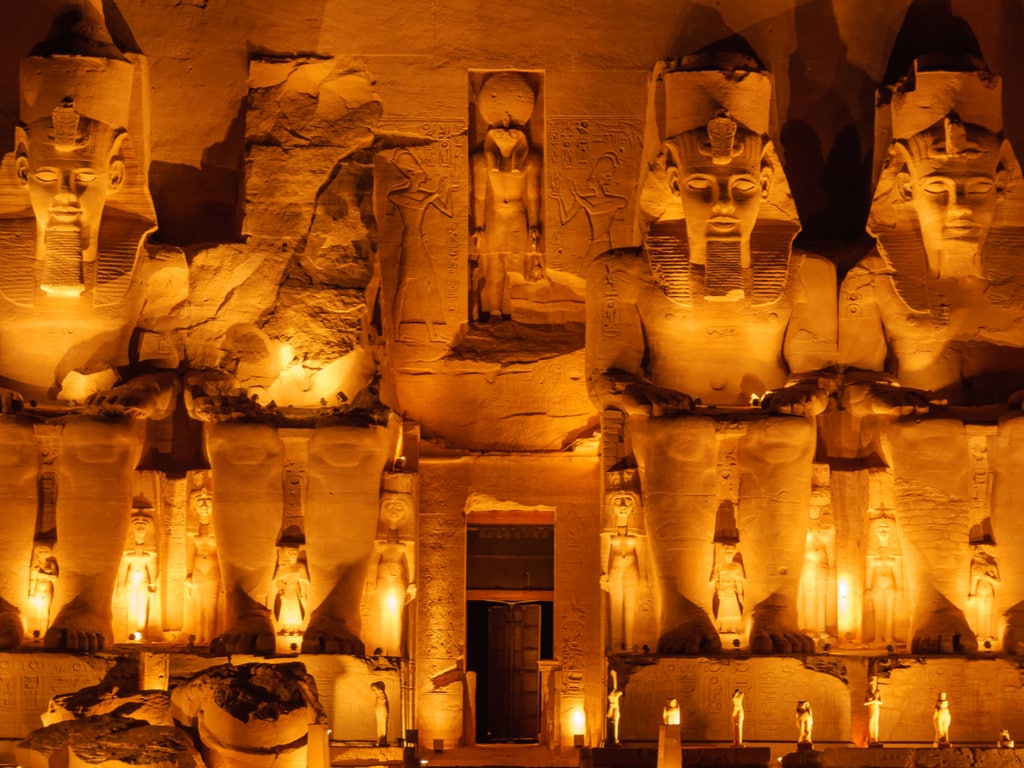
Night view of Abu Simbel, with the temple facade dramatically illuminated against the dark sky.
Witness the stunning illumination of Abu Simbel at night, casting a majestic glow against the Egyptian night sky.

What happened to Abu Simbel?

The Abu Simbel temple had to go through quite a lot. Originally constructed in 1244 B.C., it was previously situated at the west banks of the Nile River, in between the first and second cataracts. The concerned authorities decided to relocate it for a reason – They had to construct a dam (now the Aswan High Dam), while the level of the Nile River was already rising. The goal was to prevent flooding and destruction of the Abu Simbel temple.

It was a tough task – breaking the massive structure into pieces that weighed tons, followed by physical transportation. Assembling the pieces and reconstructing the temple as before was the most challenging, though. It took 5 long years and a good 42 million dollars to secure the temple 200 feet above the original location.

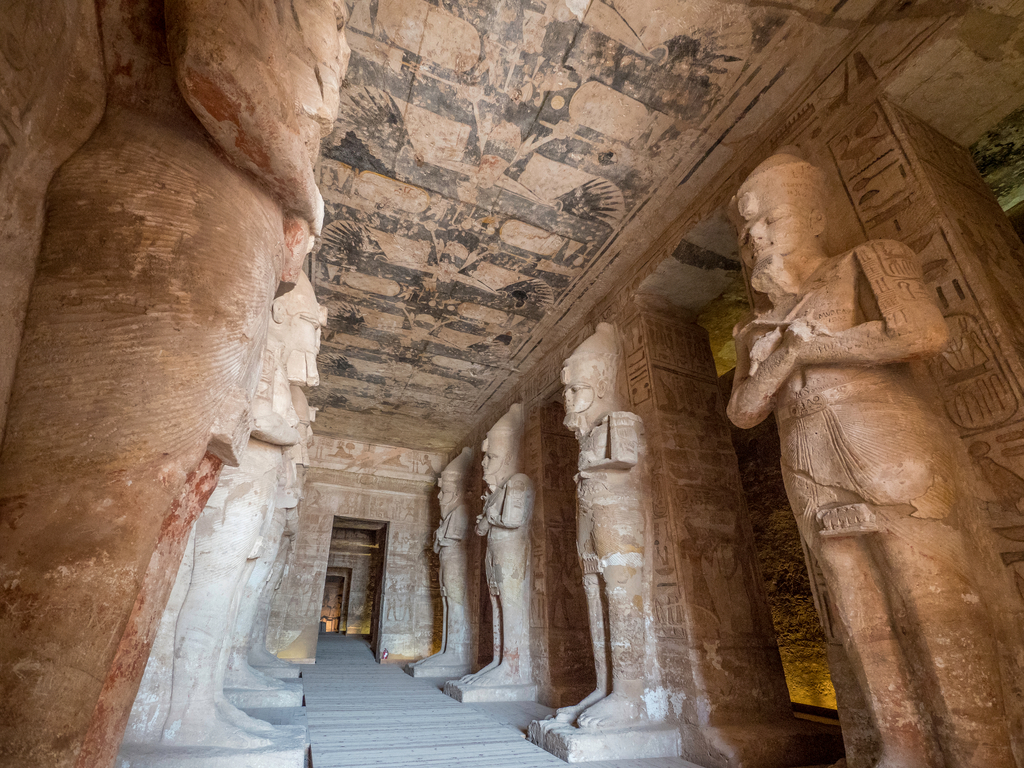
The interior of Abu Simbel, showing intricate hieroglyphics and carvings on the temple walls.
Step inside the Abu Simbel temples to discover the ancient hieroglyphics and stunning wall carvings.

How to get to Abu Simbel from Aswan?

The quickest possible way is by flight – it takes hardly 45 minutes. Nevertheless, you can always consider hiring minibusses or private cars as per your choice.

What to do at Abu Simbel?

The number one priority of a traveler would obviously be to visit these magnificent temples. It is spectacular inside out.

Experience a real life time machine as the melodies in the sound and light shows around the temples transpose you to the time of the Pharaohs.

Another landmark is the temple of Wadi El-Sabua, which is also an ancient ruin.

Explore the banks of Lake Nasser as the Lake Nasser Cruise takes you on a memorable ride.

Tourists taking a guided tour to learn about the history and relocation of Abu Simbel.
Explore the rich history of Abu Simbel and its monumental relocation on a guided tour.

Some lesser-known Abu Simbel facts

The temple complex is part of the UNESCO World Heritage Site of Nubian Monuments.

The deliberate placement of the colossal statues of Pharaoh Ramesses and of his favorite wife, Nefertari ensure that the rising sun rays fall on them on only two days of the year – the Pharaoh’s birthday and his coronation day. Mark the dates – 22 February and 22 September. Do not miss the phenomenon if you visit here around this time.

Jean Louis Burkhardt rediscovered the temple complex in 1813 by a matter of chance after layers of sand had covered it over time.

Lastly, why bother visiting the Abu Simbel temple?

Visit the Abu Simbel temple and see the fascinating history of its temples come to life – watch the engineering phenomenon and participate in the local events. You just can’t make out that this magnificent monument was ever moved. It looks as if it has always belonged there over the rocks.

"The grand facade of Abu Simbel temples, with colossal statues of Pharaoh Ramses II, against a clear blue sky.
Behold the awe-inspiring grandeur of Abu Simbel’s colossal statues, a testament to ancient Egyptian art and architecture.

Where to stay at Abu Simbel?

Stop reading reviews and visit this magical place one and for all. The reality is grander and more majestic than words can capture!

Some of the best hotels near Abu Simbel include the following:

Montserrat Spain – Monastery at the foot of the saw mountain

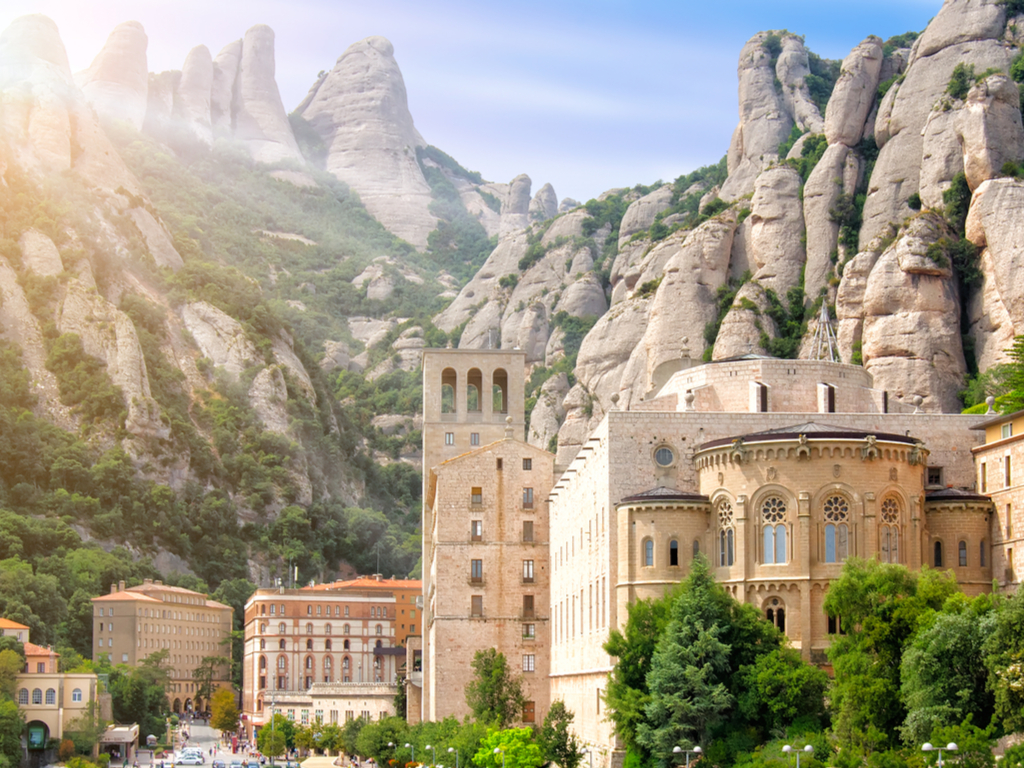
Sunset casting a golden glow over Montserrat, with the monastery silhouetted against the sky.

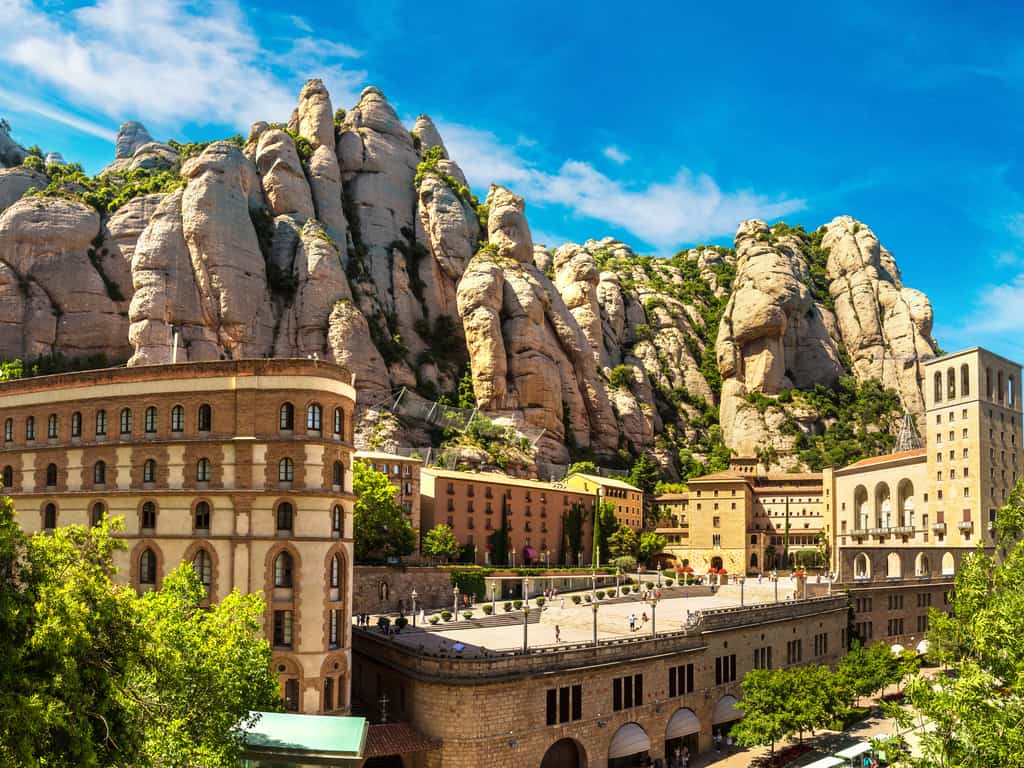
The rocky mountain rage popularly known as the Saw Mountain in Catalan, Spain is famous. The multi-peaked mountain range and the beautiful monastery, this place is with a story to tell. Trekking, hiking, and exploring this amazing and wild terrain will take you to one of the most memorable trips of your life.

The Montserrat monastery is a religious pilgrimage with the most unique mountain to trek on. Visiting this place is just bliss and the peculiar rock formations are visible from distance. With beauty at its peak, the Montserrat Spain is just amazingly beautiful

Where is the Montserrat Monastery?

The amazing rocky mountain and the calming religious monastery of Montserrat are located near the beautiful city of Barcelona, in Catalonia, Spain.

With the range of the peaks, Benedictine abbey, Santa Maria de Montserrat, and Virgin of Montserrat sanctuary, Montserrat is a perfect place to relax and have some peace of mind. With the highest peak Sant Jeroni that stands at 1,236 meters above sea level, makes this mountain rage even more attractive and lovely.

Aerial view of the rugged terrain and peaks of Montserrat, showcasing its natural beauty.
Marvel at the breathtaking aerial views of Montserrat’s rugged peaks, a testament to nature’s artistry in Spain.

What is there to do in Montserrat Spain?

The Montserrat Monastery is not just high but magical too. With mountain peaks, beautiful trail, and religious monastery, this beautiful place has a lot to do.

The intriguing and amazing things that you can do at Montserrat Spain are:

  • Visit the Montserrat Monastery
  • Go for a Cable Car Ride to the Mountain’s Summit – Aeri de Montserrat
  • Pay your respect to The Black Madonna, the Basilica of Montserrat
  • Explore the Montserrat Natural Park
  • Adore the Montserrat Art Museum
  • Book an Express Tour of Montserrat
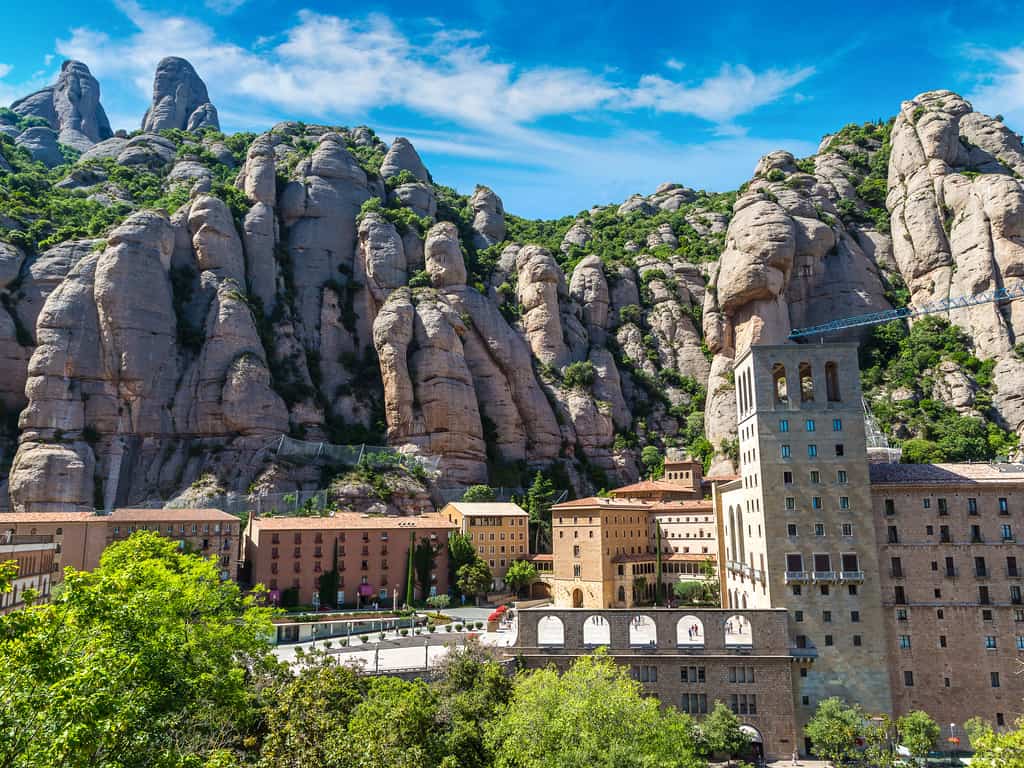
Pilgrims and tourists walking through the historic courtyard of Montserrat Monastery.
Join the mix of pilgrims and visitors exploring the historic grounds of Montserrat Monastery.

How to get to Montserrat from Barcelona?

Visiting his place and exploring the untapped and natural beauty is just perfect and bliss. With happiness spread over and the opportunity to explore, Montserrat is perfect for an adventurous holiday trip. To reach this crazy destination from Barcelona is comfortable and quick.

  • Get a train ticket for R5 line From Placa Espanya in Barcelona to Aeri de Montserrat. Then enjoy the cable car ride from Aeri de Montserrat to the top.
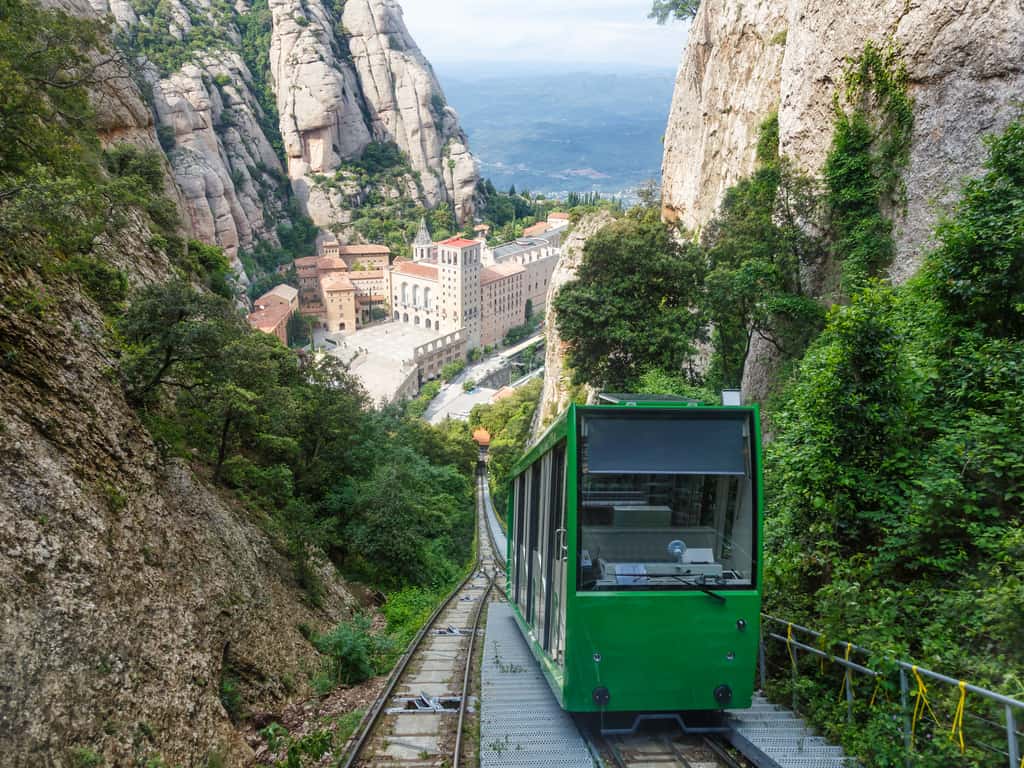
  • Get a train ticket for the R5 line From Placa Espanya in Barcelona to Monistrol de Montserrat. Then book a ticket for Cremallera, a green railway to the top of the mountain.
  • Book a train ticket for the R5 line From Placa Espanya in Barcelona to Monistrol de Montserrat. Then make your way by walking through the town of Monistrol to trails up the mountain.
The scenic rack railway leading up to Montserrat Monastery, offering spectacular views.
Ride the scenic rack railway to Montserrat Monastery, a journey with unparalleled views of the Spanish landscape.

What is the Montserrat Spain monastery?

The Montserrat Spain monastery is a beautiful and antique abbey of the Order of Saint Benedict. It is located on the mountain of Montserrat in Monistrol de Montserrat, Spain.

This abbey is a beautiful and amazing creation which is quite famous and enriches the perfect image of Montserrat.

What makes visiting Montserrat worth?

The breathtaking view from the Montserrat Spain monastery and exploring the Spanish touch in the city makes the place worth visiting and exploring.

Montserrat Spain is just adorable. So plan your trip to the rocky saw mountains to experience the calmness and robust mountains!

Sunset casting a golden glow over Montserrat, with the monastery silhouetted against the sky.
Enjoy a stunning sunset at Montserrat, where the monastery and mountains bask in golden hues.

Where to stay when visiting Montserrat?

In the area around Montserrat, you will find many hotels. Below a few you might consider for your stay:

Petra in Jordan – Stunning and elongated caves made of pink stones

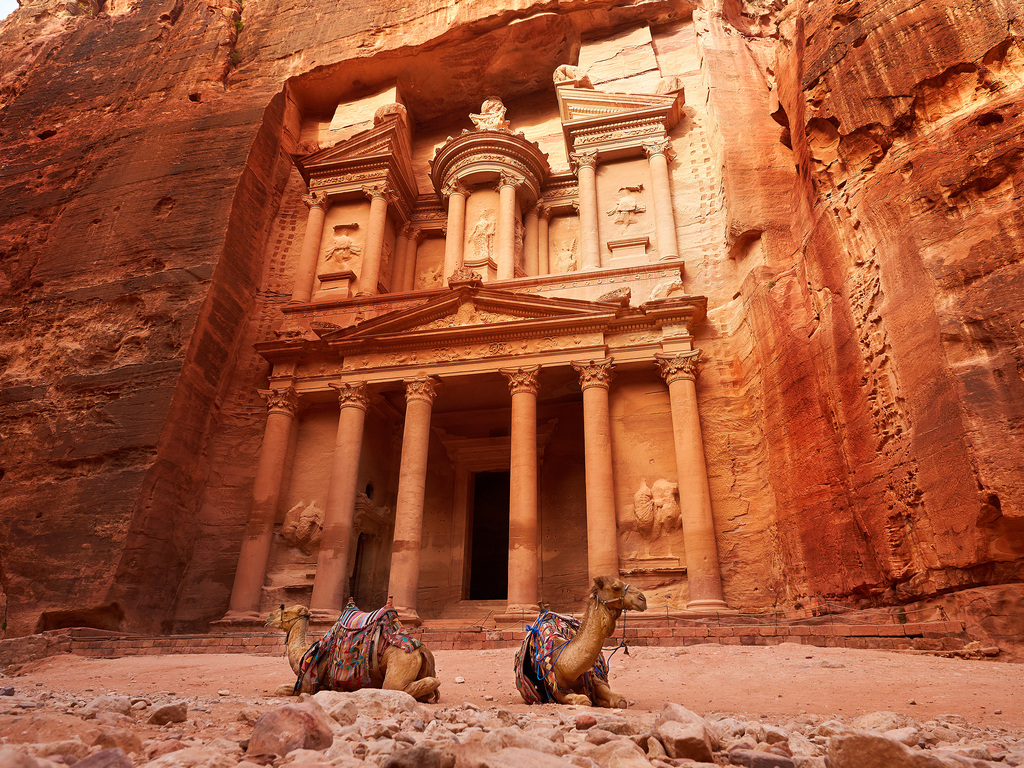
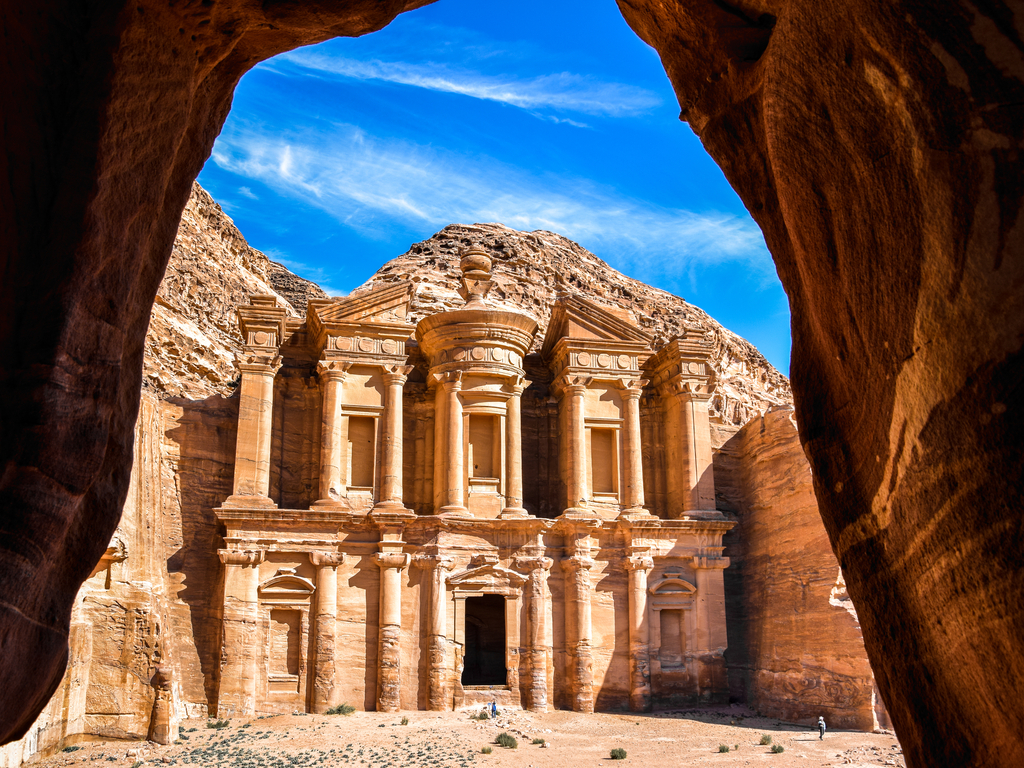
The ancient Al-Khazneh (The Treasury) in Petra, Jordan, seen through the narrow canyon of Al-Siq

The phenomenal architectural site built by carving in the pink stones that creates an alluring beauty and the stunning art, Petra in Jordan is no less than the heaven of rock-carving. Keep reading this article ahead to dig deep inside the spectacular beauty of this place.

The stunningly long and elongated caves of pink stones cut and carved, polished and decorated, with the beautiful pink-hued sky above the head, the atmosphere turns here to be a dreamland of rocks.

With half-built and half-carved in stones, the mesmerizing beauty of Petra in Jordan will leave you speechless. The jaw-dropping carving on stones creates an alluring effect. With such a beauty of nature and the efforts of humans to make it even more astounding, this article is all you need, to know about the wonderful Jordan Petra.

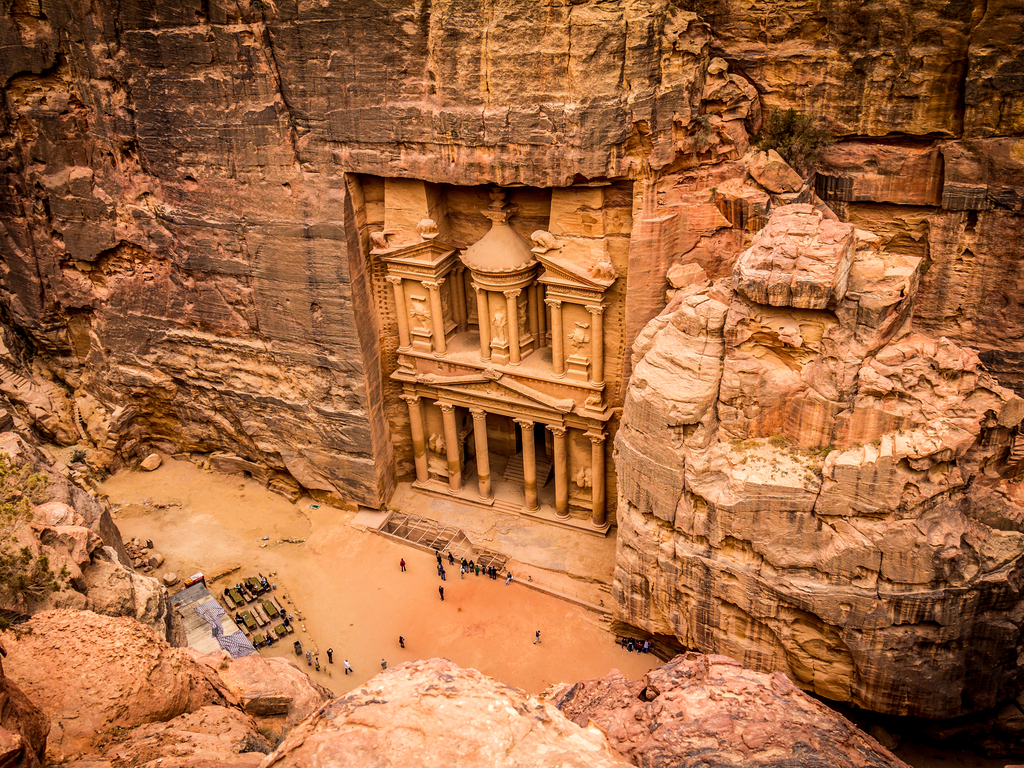
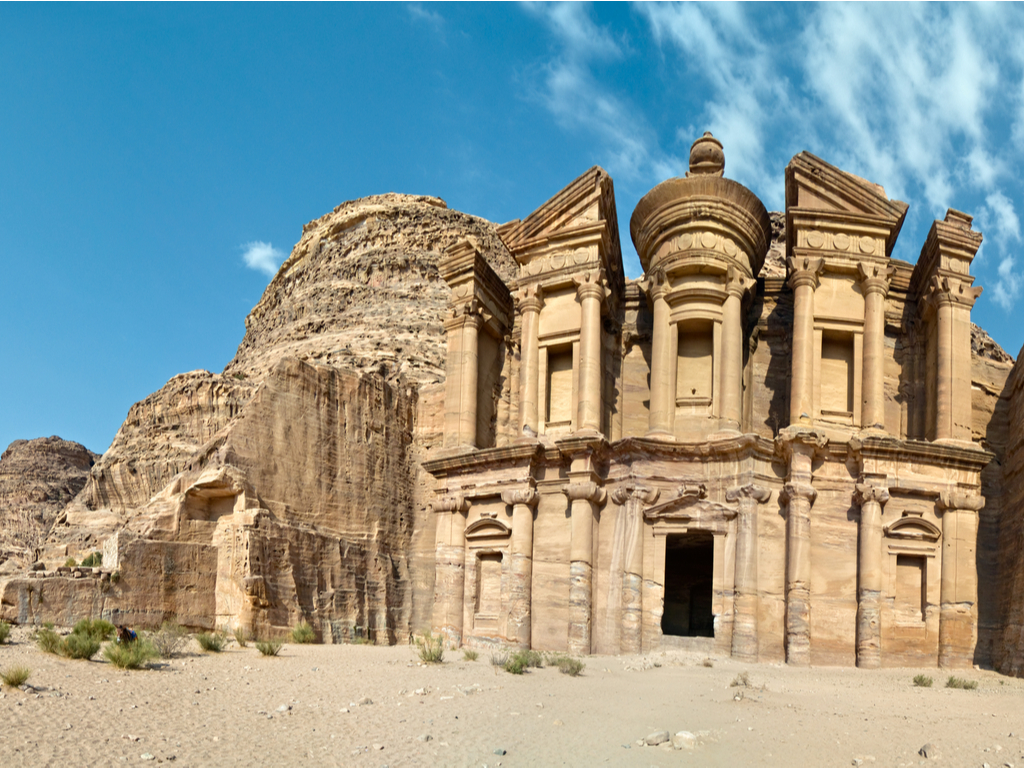
Aerial view of the Monastery (Ad Deir) in Petra, showcasing its large facade carved into the pink sandstone
Explore the panoramic beauty of Petra in Jordan, an enduring symbol of ancient Nabatean culture.

When and who built Petra in Jordan?

The famous rock-cut architecture and the wonderful pink beauty spread all over, this place is awe-interesting. With every nook and corner carved to its utmost beauty and everything sparkling pink dust in the hued-orange sunshine, the aura created here is alluring.

Built between 400 B.C. and 106 A.D, the Petra Jordan, was the capital of the flourishing and glorious Nabateans Empire. Camels in the doorway of the Petra Jordan treasury and great temple are enough to display the enormity and luxury of the Empire.

How to get to Petra in Jordan?

The stunningly built and carved beauty in stone, the pink fascinating architect of nature and human, the caves of calmness, and the sky of infinity, generates the vibes of positivity that you look for.

The best way to reach this gigantic rose city is:

  • Fly to Queen Alia International Airport just half an hour from Amman
  • Book a card ride of three hours to reach Jordan Petra
Ancient tombs and houses carved into the pink cliffs of Petra, reflecting the Nabatean engineering skills
Unveil the secrets of Petra’s carved tombs and houses, a testament to Jordan’s ancient Nabatean civilization.

Why is Petra Jordan one of the wonders of the world?

The historical beauty and the classic piece of architecture, built by carving the pink stones and the alluring appearance, the Petra Jordan is just stunning.

The emerging attraction of the tourists for the rose-red sandstone rock facades, tombs, and temples became so much more prominent after the Indiana Jones and The Last Crusade in 1989.

The most visited tourist attraction, that collected 100 million votes, is one of the wonders of the world now.

Journey through the Siq to Petra – Jordan's majestic entrance to an ancient world
Discover the Monastery, Petra’s hidden gem, perched high in Jordan’s desert landscape.

What to do in Petra?

The illuminating rock-cut marvel and the pink-rosed beauty this ancient place is mind-blowing. The beauty of the sun, when blends with the pink alluring color of rocks, the sparkling aura is formed.

The best things to do at Jordan Petra are:

  • Start Petra Jordan tours from Bab As-Siq
  • Explore Siq – tectonic forces breaking mountain into two pieces
  • Visit the Petra Jordan Treasury and Great Temple
  • Walkthrough the Street of Facades
  • Hike through the Petra complex
  • Visit the Royal tombs
  • Explore The Monastery (Al-Deir)
  • Visit the High Place of Sacrifice
  • Love the Petra at sunset and sunrise
  • Visit Aaron’s tomb
The ancient Al-Khazneh (The Treasury) in Petra, Jordan, seen through the narrow canyon of Al-Siq
Step into history at Al-Khazneh, the breathtaking Treasury of Petra, Jordan’s archaeological masterpiece.

What is the kind of weather Petra observes in Jordan?

With the summer long, warm, and arid; and the winters cold, dry, and clear, the temperature at Petra is soothing. The weather it observes round the year makes the place one of the best for tourism.

The amazingly cut and carved gigantic city of rose pink, the charismatic look, and the alluring sight makes this place just sensational. The beauty of the tomb and the luxury of camels at the door sings the songs of prosperity.

With such charm and the alluring climate, a trip to this pink city must be on your bucket list!

Angkor Wat – Discover the Wonder of Ancient Civilization

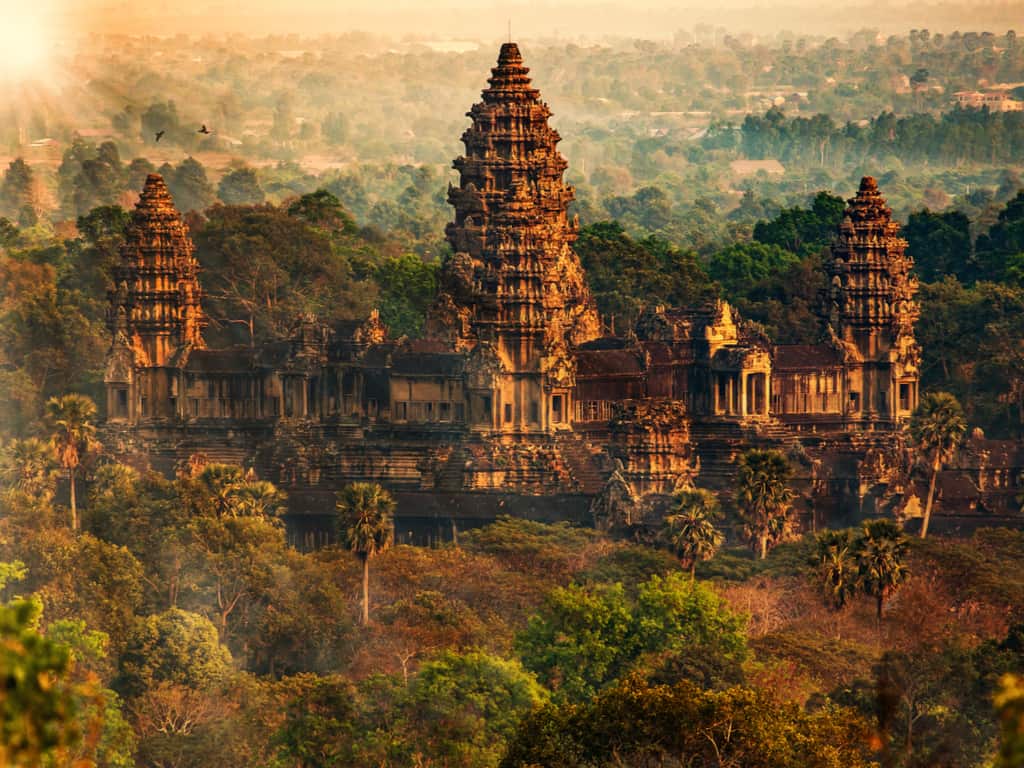
Aerial view of Angkor Wat Temple surrounded by lush greenery in Siem Reap, Cambodia, showcasing its vast scale and layout

The first rays of dawn crept over the treeline, painting the sky in shades of amber and rose. Before me, reflected perfectly in the still lotus pond, stood Angkor Wat—a silhouette so magnificent it seemed to belong more to myth than reality. In that moment, surrounded by hundreds of other travelers yet feeling completely alone with history, I understood why this place draws over two million visitors each year.

Angkor Wat isn’t just a temple. It’s a testament to human ambition, spiritual devotion, and artistic mastery that has endured for nearly a millennium.

What is Angkor Wat?

Angkor Wat stands as the largest religious monument on Earth, spreading across 162.6 hectares (over 400 acres) in the heart of Cambodia’s Siem Reap province. Built in the early 12th century by King Suryavarman II, this architectural marvel was originally dedicated to the Hindu god Vishnu before gradually transforming into a Buddhist temple—a transition reflected in its art and atmosphere to this day.

The name itself tells a story: “Angkor” derives from the Sanskrit word for “city,” while “Wat” is the Khmer word for “temple.” Together, they describe what this place truly is—a sacred city frozen in stone, where every corridor whispers secrets of the Khmer Empire’s golden age.

Why Angkor Wat Deserves a Spot on Your Bucket List

There’s a reason Angkor Wat appears on Cambodia’s national flag. This UNESCO World Heritage Site represents the pinnacle of classical Khmer architecture, combining symbolic meaning, sophisticated engineering, and breathtaking beauty in ways that continue to astound archaeologists and casual visitors alike.

The temple complex functions as a physical representation of Mount Meru, the mythical home of the gods in Hindu cosmology. Its five iconic towers symbolize the mountain’s five peaks, while the surrounding moat represents the cosmic ocean. Walking through Angkor Wat means literally stepping into an ancient worldview made tangible.

But beyond its spiritual significance, the sheer scale impresses. The outer wall encloses an area of roughly 200 hectares, including the vast moat that stretches 190 meters wide. The central tower rises 65 meters above the ground—taller than Notre-Dame’s nave—and the bas-reliefs adorning the galleries stretch for nearly 800 meters, depicting scenes from Hindu mythology and historical events with remarkable detail.

Intricate stone carvings depicting Hindu epics on the walls of Angkor Wat, Siem Reap, a testament to ancient craftsmanship
Explore the detailed stone carvings at Angkor Wat in Siem Reap, narrating stories from Hindu mythology.

The Best Time to Visit Angkor Wat

Timing your visit can dramatically affect your experience. Cambodia’s tropical climate divides roughly into wet and dry seasons, each offering distinct advantages.

Dry Season (November to April) brings clear skies and comfortable temperatures, making it the most popular time for tourism. December through February offers the most pleasant weather, with temperatures hovering between 24-32°C (75-90°F). The trade-off? Larger crowds and higher accommodation prices.

Wet Season (May to October) transforms the landscape into lush green splendor. Afternoon rain showers are common but typically brief, and the moat fills to capacity, creating those perfect reflection photographs. Visitor numbers drop significantly, meaning shorter queues and more contemplative moments among the ruins.

For the iconic sunrise experience, arrive at the temple by 5:00 AM. The gates open at 5:30 AM, and securing a good spot near the northern reflection pond requires early positioning. Alternatively, sunset offers equally dramatic lighting with typically smaller crowds, particularly from the elevated Phnom Bakheng temple nearby.

Sunrise at Angkor Wat Temple in Siem Reap, Cambodia, showcasing the iconic silhouette against a vibrant morning sky
Experience the breathtaking sunrise at Angkor Wat, a UNESCO World Heritage site in Siem Reap.

How to Get to Angkor Wat

Flying into Siem Reap: The Siem Reap-Angkor International Airport receives direct flights from major Asian hubs including Bangkok, Singapore, Kuala Lumpur, Ho Chi Minh City, and Seoul. From the airport, the temple complex lies approximately 6 kilometers away—about a 15-minute drive.

From Phnom Penh: The capital city connects to Siem Reap via multiple options. Domestic flights take roughly 45 minutes, while air-conditioned buses cover the 315-kilometer journey in about 6 hours. For a more scenic route, boat services operate along the Tonle Sap Lake during the wet season.

Getting Around the Temples: Once in Siem Reap, you’ll need transportation to explore the archaeological park. Options include hiring a tuk-tuk driver for the day (typically $15-25 USD), renting a bicycle for independent exploration, or booking organized tours with air-conditioned vehicles.

Angkor Wat Ticket Prices and Practical Information

Entry to the Angkor Archaeological Park requires purchasing a pass, with options designed for different visit lengths:

  • 1-Day Pass: $37 USD
  • 3-Day Pass: $62 USD (valid for any 3 days within a 10-day period)
  • 7-Day Pass: $72 USD (valid for any 7 days within a month)

Tickets are sold at the main ticket office on Apsara Road, operating from 5:00 AM to 5:30 PM. Payment accepts cash (USD or Cambodian Riel) and credit cards. A photograph will be taken for your personalized pass—no separate photo needed.

Important: Purchasing tickets after 5:00 PM allows free entry for that evening’s sunset, with the ticket validity beginning the following day.

Aerial view of Angkor Wat Temple surrounded by lush greenery in Siem Reap, Cambodia, showcasing its vast scale and layout
An aerial perspective of the majestic Angkor Wat, illustrating its grandeur amidst Siem Reap’s natural beauty.

Exploring Angkor Wat: A Temple Walkthrough

Approaching from the west—the traditional entrance—you’ll first cross the 190-meter stone causeway spanning the moat. This processional path, lined with naga (serpent) balustrades, builds anticipation as the temple gradually reveals its full majesty.

The Western Gopura (Entrance Pavilion): This gateway structure contains the first of many astonishing details. Look for the devata—celestial female figures—carved into nearly every available surface. Over 1,800 unique devatas grace Angkor Wat’s walls, each with distinct hairstyles, jewelry, and expressions.

The Outer Gallery: The ground-level gallery houses the temple’s legendary bas-reliefs. Walking clockwise (the direction associated with death in Hindu tradition, suggesting the temple may have served funerary purposes for King Suryavarman II), you’ll encounter eight distinct sections depicting scenes from the Ramayana, the Mahabharata, heaven and hell, and the famous Churning of the Ocean of Milk.

The Cruciform Terrace: Connecting the outer gallery to the second level, this raised platform once hosted ritual dances and ceremonies. The walls here feature some of the most exquisite apsara carvings—celestial dancers depicted with extraordinary grace and detail.

The Second Level: Gallery walls here contain additional bas-reliefs, though less elaborate than those below. The views from this level begin hinting at the temple’s vertical ambitions.

The Central Sanctuary: The uppermost level requires climbing steep stairs—a design intentionally evoking the difficulty of reaching heaven. Access here is limited to preserve the structure; modest dress is required (shoulders and knees covered), and visitors queue for timed entry. The effort rewards with intimate proximity to the central towers and sweeping views across the temple complex and surrounding jungle.

Beyond Angkor Wat: Other Temples to Explore

Angkor Wat anchors a vast archaeological park containing dozens of significant sites. A comprehensive exploration easily justifies a three-day pass.

Ta Prohm: Known as the “Tomb Raider Temple” for its appearance in the 2001 film, Ta Prohm captivates with its dramatic integration of nature and architecture. Massive silk-cotton and strangler fig trees embrace crumbling walls, their roots cascading over doorways and prying apart stone blocks. Unlike Angkor Wat’s restoration, Ta Prohm has been deliberately left in a state of photogenic decay.

Bayon: The centerpiece of Angkor Thom (the ancient capital city north of Angkor Wat), Bayon disturbs and delights in equal measure. Its 216 massive stone faces gaze out from 54 towers, their enigmatic smiles following visitors through the labyrinthine corridors. The bas-reliefs here depict everyday Khmer life—markets, fishing, cockfights—offering a more intimate window into ancient society.

Banteay Srei: Though smaller than its famous neighbors, this 10th-century temple earns its nickname “Citadel of Women” through the exceptional delicacy of its red sandstone carvings. The 25-kilometer drive from the main complex is worthwhile for anyone interested in decorative arts.

Preah Khan: A sprawling temple-monastery complex that once housed over 100,000 people. Its relatively uncrowded corridors offer opportunities for solitary exploration and atmospheric photography.

Essential Tips for Visiting Angkor Wat

Dress Appropriately: Angkor Wat remains an active religious site. Both men and women must cover shoulders and knees. Lightweight, loose-fitting clothing in breathable fabrics helps manage the tropical heat while respecting local customs.

Stay Hydrated: Temperatures regularly exceed 35°C (95°F), particularly during the dry season. Carry at least two liters of water per person. Coconut water vendors throughout the park offer refreshing alternatives.

Hire a Guide: While self-guided exploration works perfectly well, knowledgeable guides transform the experience. They identify easily-missed details, explain iconographic significance, and share stories that bring the stones to life. Licensed guides can be arranged through your hotel or at the ticket office.

Bring the Right Gear: Comfortable walking shoes with good grip are essential—surfaces can be uneven and stairs steep. A small flashlight helps explore darker corridors. Sunscreen and a hat protect against intense sun exposure.

Pace Yourself: The archaeological park sprawls across more than 400 square kilometers. Attempting too much in one day leads to temple fatigue—that peculiar exhaustion where ancient wonders begin blurring together. Better to explore fewer sites thoughtfully than rush through the entire complex.

Respect the Site: Avoid touching bas-reliefs and carvings—oils from human hands accelerate erosion. Stay on designated paths, refrain from climbing on structures not specifically accessible, and remove shoes when entering active shrine areas.

Ancient stone faces of Bayon Temple in Angkor Wat complex, Siem Reap, reflecting the artistic heritage of Khmer architecture
Discover the enigmatic stone faces at Bayon Temple, a remarkable example of Khmer architecture in Siem Reap’s Angkor Wat.

Where to Stay in Siem Reap

Siem Reap offers accommodation spanning every budget and style, with most options concentrated in and around the town center, approximately 6 kilometers south of Angkor Wat.

Luxury options include internationally branded hotels like the Raffles Grand Hotel d’Angkor, Sofitel Angkor Phokeethra, and the environmentally-focused Shinta Mani. Expect private pools, spa facilities, and rates ranging from $200-500+ per night.

Mid-range hotels provide excellent value, with properties like the Jaya House River Park and Navutu Dreams offering boutique experiences at $80-150 per night.

Budget travelers find comfortable guesthouses and hostels throughout the Pub Street area, with clean private rooms available from $15-30 and dormitory beds from $5-10.

Cambodian Cuisine to Try in Siem Reap

Exploring Angkor builds serious appetites. Fortunately, Siem Reap’s food scene has blossomed into one of Southeast Asia’s most exciting.

Fish Amok stands as Cambodia’s national dish—a steamed fish curry made with coconut milk, kroeung (a fragrant paste of lemongrass, turmeric, and galangal), and served in a banana leaf bowl. The texture falls somewhere between mousse and custard, delicate and aromatic.

Lok Lak features stir-fried beef with onions and bell peppers, served atop fresh lettuce with a tangy lime-pepper dipping sauce. Simple, satisfying, and ubiquitous.

Nom Banh Chok (Khmer noodles) provides a lighter option—rice noodles topped with fish-based green curry sauce, fresh vegetables, and herbs. Traditionally eaten for breakfast, it’s available throughout the day.

For adventurous eaters, the night market on Sivutha Boulevard offers fried tarantulas, crickets, and other protein-rich local delicacies.

The Spiritual Dimension: Angkor Wat as Living Heritage

Despite its status as a tourist attraction, Angkor Wat remains a functioning Buddhist temple. Monks in saffron robes still perform ceremonies within its walls, and local worshippers light incense before ancient shrines.

This living dimension adds depth that purely archaeological sites cannot match. Visitors witness not merely preserved history but ongoing tradition—a continuous thread connecting 12th-century builders with 21st-century believers.

Consider timing your visit to witness the daily alms-giving ceremony, typically occurring at dawn outside the eastern entrance. Monks silently accept offerings of rice and food from kneeling devotees, a meditative ritual unchanged for centuries.

Preserving Angkor Wat for Future Generations

The temple faces significant conservation challenges. Rising visitor numbers, environmental pressures, and the relentless tropical climate all take their toll. International organizations including UNESCO, the World Monuments Fund, and various national teams collaborate on ongoing restoration and preservation efforts.

As visitors, we contribute to this preservation by following site guidelines, supporting legitimate tourism operators who adhere to conservation standards, and recognizing that our temporary presence here represents a privilege requiring responsibility.

Planning Your Perfect Angkor Wat Itinerary

One Day (Highlights): Focus on Angkor Wat itself (sunrise and morning), Angkor Thom with Bayon (midday), and Ta Prohm (afternoon). This provides the essential experience though necessarily abbreviated.

Three Days (Recommended): Add Banteay Srei, Preah Khan, and the smaller temples within the central complex. Allow for leisurely exploration and returning to favorites at different times of day.

Seven Days (Comprehensive): Explore outlying temples including Beng Mealea (a jungle-engulfed ruin 70 kilometers away), the Roluos Group (pre-Angkorian temples), and Koh Ker (a remote but rewarding site). This duration also permits deeper engagement with Siem Reap itself—cooking classes, floating village visits, and the excellent Angkor National Museum.

Final Thoughts

Standing within Angkor Wat’s corridors, tracing fingers (carefully!) near carvings made by hands 900 years gone, watching golden light filter through stone windows, something shifts. The noise of the modern world recedes. The extraordinary creativity and determination of those ancient builders becomes tangible.

This is why we travel—not just to see famous places, but to feel connected across time and culture to our shared human story. Angkor Wat delivers this experience with unmatched power.

The temple has witnessed empires rise and fall, jungles reclaim and retreat, and visitors transform from royal pilgrims to camera-wielding tourists. Through it all, those five lotus-bud towers have continued reaching toward the sky, patient and eternal.

Your visit awaits.

Why is Angkor Wat so famous?

Angkor Wat is famous for its architectural grandeur, historical significance, and cultural importance. It is considered one of the largest religious monuments in the world and is a UNESCO World Heritage Site. Built in the 12th century, Angkor Wat showcases the Khmer Empire’s remarkable engineering and artistic achievements. Its intricate carvings, towering spires, and extensive bas-reliefs depicting Hindu mythology attract millions of visitors each year.

Is Angkor Wat one of the 7 Wonders of the world?

No, Angkor Wat is not one of the 7 Wonders of the World. The 7 Wonders of the World are the Great Wall of China, Petra in Jordan, Christ the Redeemer in Brazil, Machu Picchu in Peru, Chichen Itza in Mexico, the Colosseum in Italy, and the Taj Mahal in India.